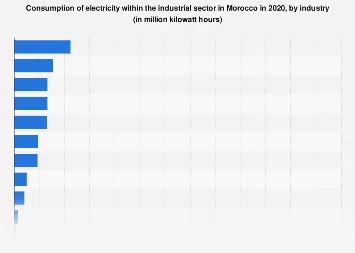
Morocco’s industrial sector is a significant consumer of electrical energy, with the overall demand playing a crucial role in the nation’s economic output and development trajectory. In 2020, the industrial landscape of Morocco consumed an estimated aggregate of several billion kilowatt hours of electricity. This figure, while substantial, represents a dynamic and evolving picture of industrial activity, directly correlating with production levels, technological adoption, and the overall health of the manufacturing and processing segments of the Moroccan economy.
Within this overarching industrial consumption, a clear hierarchy emerges, highlighting the energy-intensive nature of specific sub-sectors. The electricity and water industry stood out as the largest consumer, accounting for approximately over one billion kilowatt hours of electrical energy. This prominent position is unsurprising, given the inherent demands of power generation, transmission, and the essential, continuous operations required for water treatment and distribution. These facilities often operate 24/7, necessitating a constant and substantial influx of power to maintain public services and support other industrial activities.
Following closely behind, the building industry presented another significant bloc of electricity consumers, with demand reaching roughly hundreds of millions of kilowatt hours. This segment encompasses a wide array of activities, from the manufacturing of construction materials such as cement, bricks, and steel, to the operational energy needs of construction sites themselves. The expansion of infrastructure, housing projects, and commercial developments across Morocco directly fuels this demand, reflecting the nation’s ongoing urbanisation and development initiatives.
The detailed breakdown of electricity consumption across various industrial segments in Morocco, as of 2020, provides critical insights for policymakers, investors, and energy providers. While precise figures for all sub-sectors remain proprietary, the general trends indicate a diverse energy footprint. Beyond the leading electricity and water, and building industries, other key sectors such as manufacturing, mining, and agriculture-related processing also contribute significantly to the national industrial electricity demand.
For instance, the manufacturing sector in Morocco is a broad category encompassing textiles, automotive parts, aerospace components, food processing, and chemical production. Each of these sub-sectors has unique energy profiles. Light manufacturing, like textiles, might rely more on electrical machinery for looms and finishing processes, while heavy industries such as metallurgy or chemical synthesis often require substantial amounts of electricity for furnaces, electrolysis, and high-temperature reactions. The automotive sector, a growing pillar of the Moroccan economy, contributes to this demand through assembly lines and component manufacturing, which are increasingly automated and reliant on electricity.
The mining and quarrying sector, while perhaps less visible in urban centres, is a fundamental energy consumer, particularly in regions rich in phosphates, coal, or other mineral resources. Extraction processes, crushing, grinding, and transportation of raw materials all necessitate considerable electrical power, often in remote locations where dedicated power infrastructure might be required. Morocco’s status as a leading global phosphate producer underscores the importance of this sector’s energy requirements.
Furthermore, the agricultural sector’s processing industries, including food and beverage production, cold storage, and packaging, also represent a notable segment of industrial electricity consumption. The need for refrigeration, processing machinery, and packaging lines, especially for export-oriented agricultural products, drives this demand.
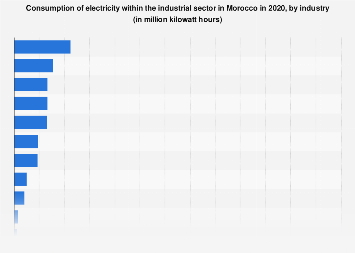
The data on industrial electricity consumption is not merely a statistical snapshot; it is a powerful indicator of economic activity and a key determinant of Morocco’s energy policy and investment priorities. Understanding these sectoral demands is crucial for:
Energy Security and Infrastructure Development: As industrial output grows, so does the demand for reliable and affordable electricity. This necessitates continuous investment in generation capacity, transmission networks, and distribution systems. Morocco’s ambitious renewable energy targets, particularly in solar and wind power, are directly linked to meeting the escalating energy needs of its industries while diversifying its energy mix and reducing reliance on imported fossil fuels. The strategic location of industrial zones and their proximity to power generation facilities also becomes a critical factor in infrastructure planning.
Economic Competitiveness: The cost and reliability of electricity are direct determinants of a nation’s industrial competitiveness. High energy prices or frequent power outages can deter foreign investment, increase production costs for domestic businesses, and reduce export potential. Morocco’s efforts to secure competitive energy tariffs and ensure grid stability are therefore paramount for its industrial growth strategy. The availability of medium and high voltage electricity, as indicated by some data points, suggests a focus on supplying larger industrial consumers with the robust power required for their operations.
Environmental Sustainability: The energy-intensive nature of industry presents a significant challenge in achieving environmental sustainability goals. Shifting towards cleaner energy sources for industrial consumption is a key objective. Morocco’s commitment to expanding its renewable energy portfolio is a direct response to this, aiming to decarbonise its industrial footprint and meet international climate commitments. The efficiency of energy use within industrial processes is also a growing area of focus, with investments in energy-saving technologies and practices becoming increasingly important.
Investment Attraction: For international investors, detailed energy consumption data provides a clear picture of the operational costs and infrastructure readiness within specific industrial sectors in Morocco. Understanding where the largest energy demands lie can guide investment decisions, whether in establishing new manufacturing plants, expanding existing operations, or investing in energy infrastructure itself. The attractiveness of Morocco as an industrial hub is partly contingent on its ability to provide a stable and cost-effective energy supply that meets the diverse needs of its growing industrial base.
Comparing Morocco’s industrial electricity consumption patterns with those of other emerging economies in the MENA region and beyond reveals common trends, such as the high energy intensity of primary industries and manufacturing, but also highlights specific national contexts. Countries with significant heavy industries or extensive mining operations will naturally exhibit higher overall industrial electricity demands. Morocco’s strategic focus on sectors like automotive, aerospace, and phosphates positions it within a group of nations where industrial energy management is a critical component of economic policy.
In conclusion, the consumption of electricity by Morocco’s industrial sector, as evidenced by the significant demand from the electricity and water industry, the building sector, and other manufacturing segments, is a critical barometer of its economic vitality. As Morocco continues its path of industrial development and economic diversification, effectively managing and meeting these energy demands through a combination of infrastructure upgrades, renewable energy integration, and energy efficiency initiatives will be fundamental to securing its long-term economic prosperity and environmental sustainability. The ongoing analysis of these sectoral energy footprints remains an indispensable tool for navigating the complexities of industrial growth in the 21st century.