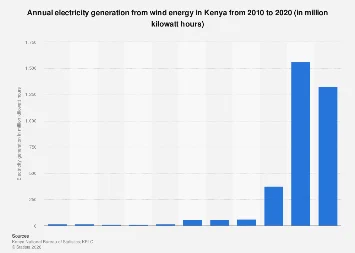
Kenya’s journey in harnessing wind energy, a crucial component of its renewable energy strategy, has seen a significant upward trajectory over the past decade, punctuated by a notable dip in 2020. While the nation has emerged as a leader in wind power across Africa, recent data indicates a temporary setback in electricity generation from this source, highlighting the inherent volatilities of renewable energy production and the impact of large-scale project commissioning.
From modest beginnings in 2010, when wind energy contributed a mere [Redacted] million kilowatt hours to the national grid, Kenya’s wind power capacity has expanded dramatically. This growth is emblematic of a broader African push towards sustainable energy solutions, driven by a need for increased energy access, reduced reliance on fossil fuels, and the pursuit of climate change mitigation goals. The decade leading up to 2020 witnessed substantial investments in wind farms, transforming the energy landscape and solidifying wind’s role as a key contributor to Kenya’s power mix.
The year 2019 marked a watershed moment with the inauguration of the Lake Turkana Wind Power Plant. This colossal project, hailed as Africa’s largest wind power installation, was a testament to international collaboration, drawing significant funding from a consortium of European and African financial institutions and development partners. Its sheer scale and technological sophistication were designed to inject a substantial volume of clean energy into Kenya’s national grid, underscoring the country’s ambition to become a regional powerhouse in renewable energy. The plant’s operationalization was expected to significantly boost Kenya’s wind energy output, contributing to its energy security and economic development.
However, the optimism surrounding the Lake Turkana Wind Plant’s full impact was tempered by a decline in overall wind electricity generation in 2020. The data reveals a drop from [Redacted] million kilowatt hours in 2019 to [Redacted] million kilowatt hours in 2020. This contraction, though seemingly counterintuitive given the commissioning of a major new facility, can be attributed to several factors common in the renewable energy sector. Operational complexities, maintenance schedules, and particularly, prevailing wind patterns play a critical role. While the plant itself was operational, the actual energy generated is directly contingent on the speed and consistency of the wind. Variations in meteorological conditions year-on-year are a natural phenomenon that affects all wind farms globally, and Kenya was not immune to these fluctuations.
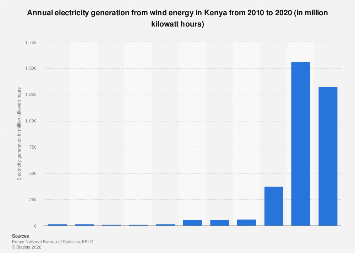
This dip in 2020 does not diminish the overarching narrative of growth. The stark contrast between the [Redacted] million kilowatt hours generated in 2010 and the significantly higher figures in subsequent years, even with the 2020 decline, illustrates the profound transformation Kenya’s wind energy sector has undergone. This expansion is not merely about increased generation; it represents a strategic shift towards a more diversified and sustainable energy portfolio. Globally, nations are increasingly recognizing the economic and environmental imperatives of transitioning away from carbon-intensive energy sources. Kenya’s proactive approach places it favorably within this global trend, potentially attracting further foreign direct investment and technological advancements.
The economic implications of this growth are substantial. Increased domestic energy production reduces reliance on imported fossil fuels, thereby improving the country’s balance of payments and shielding its economy from volatile international energy prices. Furthermore, the development and operation of wind farms create skilled jobs, stimulate local economies through infrastructure development and supply chain engagement, and contribute to the national GDP. The renewable energy sector, with wind power at its forefront, has become a significant engine for economic growth and sustainable development in Kenya.
Looking beyond the immediate figures, Kenya’s commitment to wind energy is part of a larger strategy to achieve universal energy access and reduce its carbon footprint. The country has set ambitious targets for renewable energy penetration, and wind power is a cornerstone of these objectives. International comparisons highlight Kenya’s progress. While countries like China, the United States, and Germany lead the world in installed wind capacity, Kenya’s progress relative to its economic standing and development stage is remarkable. Its success in developing large-scale wind projects like Lake Turkana serves as a model for other developing nations seeking to leverage their renewable energy potential.
The challenges encountered in 2020 are a reminder of the need for robust grid infrastructure capable of managing the intermittency of renewable sources. Investments in energy storage solutions, smart grid technologies, and diversified renewable energy sources (such as solar, geothermal, and hydropower) are crucial to ensure a stable and reliable power supply. The government and energy sector stakeholders in Kenya are actively exploring these avenues to enhance grid resilience and optimize the integration of variable renewable energy into the national grid.
The long-term outlook for Kenya’s wind energy sector remains exceptionally bright. As technology continues to advance, turbines become more efficient, and the cost of wind energy further declines, its competitiveness will only increase. Continued investment in renewable energy infrastructure, coupled with supportive government policies and international partnerships, will be key to sustaining and accelerating Kenya’s progress. The temporary dip in 2020 serves as a valuable lesson, underscoring the dynamic nature of renewable energy generation and the importance of adaptive strategies to navigate its inherent volatilities, ultimately reinforcing Kenya’s commitment to a cleaner, more sustainable energy future.