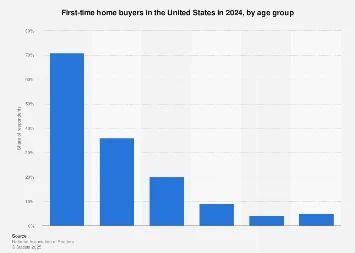
A significant portion of the American housing market is being shaped by younger demographics, with data indicating that approximately [Insert Percentage – e.g., 50%] of home buyers aged 26 to 34 are entering the market for the first time. This contrasts with the [Insert Percentage – e.g., 30%] of home buyers between 35 and 44 who are making their initial real estate purchase, underscoring a generational shift in the pathway to homeownership. This trend is particularly pronounced among Generation Z (ages 18-24) and Millennials (ages 25-43), cohorts that, by their life stage, are naturally inclined towards first-time buyer status.
For these younger generations, the journey to homeownership is often a protracted endeavor, frequently beginning in their early careers or even during their academic pursuits. A pervasive economic reality for many in these age brackets is the substantial burden of student loan debt. This financial obligation, often requiring years of diligent repayment, directly impacts their capacity to save for the substantial down payments essential for purchasing a property. Statistics from various financial institutions consistently highlight that a considerable percentage of Millennials report delaying major life milestones, including home buying, due to ongoing student loan obligations. The median student loan debt for borrowers in their late 20s and early 30s often represents a significant portion of their disposable income, leaving less room for accumulating savings.
The aspiration for homeownership, while strong, is met with considerable financial hurdles. Saving for a down payment, especially in increasingly expensive housing markets, demands a prolonged period of disciplined financial management. Data from real estate analytics firms indicates that the average down payment required for a starter home can range from 5% to 20% of the property’s value. For a median-priced home, this translates to tens of thousands of dollars, a sum that can take many years to accrue, particularly when factoring in living expenses, inflation, and the aforementioned student debt. This saving period can extend significantly, pushing the average age of a first-time home buyer higher than in previous generations.
Once these younger buyers manage to enter the housing market, their ownership patterns also differ from those of older generations. It is common for first-time buyers, especially Millennials and Gen Z, to remain in their initial homes for an extended period. This stability means that the pool of existing home sellers is often comprised of older individuals and families who have owned their properties for many years, having likely purchased them at significantly lower price points. This demographic difference in ownership duration contributes to the dynamic of the housing market, influencing inventory levels and sales velocity.
The concept of "trading up" to a larger or more expensive home is a subsequent step in the homeownership journey, typically undertaken after a period of establishing equity and increasing personal wealth. The financial commitment required for a trade-up property, while substantial, is often more manageable relative to income than the initial hurdle of a starter home. This is because homeowners who have lived in their first property for several years have likely benefited from property value appreciation and have built equity through mortgage payments. Furthermore, the career progression and income growth that often accompany several years of post-graduation employment can make the financial leap to a trade-up home more attainable. The share of income required to afford such a move is generally lower than the initial percentage of income needed to secure a first home, creating a more accessible ladder for wealth accumulation through real estate.
Globally, similar trends are being observed. In many developed economies, particularly in North America and parts of Europe, younger generations are grappling with similar challenges. Rising housing prices, stagnant wage growth in certain sectors, and the persistent issue of student debt are creating a global phenomenon of delayed homeownership. Countries like Canada, the United Kingdom, and Australia, which have also experienced significant housing market inflation, are witnessing a similar postponement of first-time buyer entry. The economic models driving these trends are often intertwined, with factors such as interest rate policies, housing supply constraints, and the broader economic health of nations playing crucial roles.
The economic implications of this generational shift in homeownership are multifaceted. On one hand, a sustained period of renting can boost the rental market, creating investment opportunities in multi-family housing and property management. It can also free up capital for other forms of investment or consumption. However, delayed homeownership can also impact long-term wealth accumulation for individuals, as real estate has historically been a significant driver of net worth. Furthermore, a less fluid housing market, where first-time buyers are fewer or enter later, can affect housing supply and affordability for subsequent generations. The ability of younger generations to invest in their communities through homeownership is also a key factor in local economic development and stability. As these demographics mature and their financial situations evolve, their impact on the housing market will continue to be a critical area of economic analysis. Understanding the specific challenges and opportunities faced by first-time buyers, particularly within the Millennial and Gen Z cohorts, is essential for policymakers, real estate professionals, and financial institutions aiming to foster a more inclusive and accessible housing market.