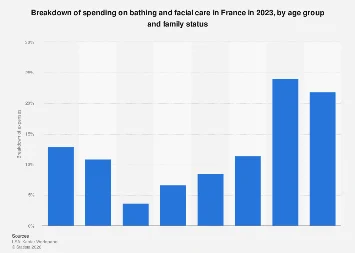
Paris, France – A recent analysis of consumer spending in France for 2023 highlights significant divergences in how different age demographics allocate their budgets towards beauty and personal hygiene products. This granular insight into expenditure patterns offers a nuanced view of a dynamic market, influenced by evolving consumer preferences, lifestyle choices, and economic pressures across generations.
The beauty and personal care sector, a multi-billion euro industry globally, is particularly sensitive to demographic shifts and consumer sentiment. In France, a nation renowned for its sophisticated approach to aesthetics and well-being, understanding these age-related spending habits is crucial for manufacturers, retailers, and marketers aiming to capture market share. The data suggests that while the overall expenditure on beauty and hygiene remains robust, the composition of these expenses varies considerably, painting a picture of distinct generational priorities.
Younger consumers, typically those in the 18-24 age bracket, appear to be channeling a larger proportion of their disposable income into trending beauty products, often driven by social media influence and the pursuit of specific aesthetic ideals. This segment is characterized by a higher engagement with skincare formulations, innovative makeup products, and hair care solutions that promise visible, often immediate, results. Their purchasing decisions are frequently informed by influencer recommendations, online reviews, and a desire to experiment with new brands and product categories. The rise of direct-to-consumer (DTC) brands and the increasing accessibility of online beauty platforms further fuel this segment’s spending, making them a vital, albeit potentially more volatile, consumer group.
As consumers transition into their late twenties and thirties (25-34), spending patterns begin to reflect a growing emphasis on preventative care and long-term wellness. While still engaged with cosmetic enhancements, this demographic often dedicates a greater portion of their beauty budget to high-quality skincare, anti-aging treatments, and premium haircare. The rationale shifts towards investing in products that promote skin health, address early signs of aging, and maintain a youthful appearance over time. This cohort is also more likely to seek out specialized products, such as those offering sun protection, targeted serums, and professional-grade hair treatments. Their purchasing decisions may be influenced by scientific efficacy, brand reputation, and a desire for sustainable and ethically produced goods.
The mid-career demographic, encompassing individuals aged 35-44, often exhibits a balanced approach to beauty and hygiene spending. While maintaining an interest in effective skincare and haircare, this group may also see an increase in expenditure on personal grooming services, such as professional haircuts, manicures, and spa treatments. The demands of busy professional and personal lives can lead to a prioritization of convenience and efficacy, with a willingness to invest in products and services that deliver results efficiently. This age group often possesses greater financial stability, allowing for more discretionary spending on both everyday essentials and occasional luxury items within the beauty category. Their brand loyalty can be strong, built on years of positive product experiences and a trust in established brands.
For consumers aged 45-54, the focus often intensifies on addressing the visible signs of aging and maintaining overall well-being. This segment typically allocates a significant portion of their budget to advanced skincare solutions, including products rich in active ingredients like retinoids, peptides, and antioxidants. Investment in treatments that target wrinkles, loss of firmness, and uneven skin tone becomes a priority. Furthermore, personal hygiene products that cater to specific needs, such as sensitive skin formulations or specialized oral care, may see increased demand. This demographic often values efficacy and scientific backing, and may be more inclined to consult with dermatologists or beauty professionals for product recommendations.
The older demographic, including those aged 55 and above, presents a unique spending profile. While the overall volume of spending on certain beauty products might decrease, there is often a sustained or even increased allocation towards health-oriented personal care and products that enhance comfort and well-being. This can include specialized skincare for mature skin, products designed to alleviate dryness or irritation, and hygiene items that support independent living. The emphasis shifts from purely aesthetic concerns to those that contribute to a higher quality of life and a sense of personal care. Brand loyalty is often very high within this group, and they may be less swayed by fleeting trends, preferring trusted brands and reliable product performance.
Beyond individual product categories, the distribution of expenses also reveals broader economic implications. The beauty and personal care market in France is a significant contributor to the national economy, supporting jobs in manufacturing, retail, marketing, and research and development. Shifts in age-specific spending can therefore influence production lines, inventory management, and marketing strategies for companies operating within this sector. For instance, a surge in demand for anti-aging products from older demographics could spur investment in relevant research and product development, while a strong demand for trending makeup from younger consumers might necessitate agile supply chains and a focus on digital marketing.
Globally, these French consumer trends are not isolated. Similar patterns are observed in other developed economies where evolving demographics, increasing life expectancies, and a growing awareness of health and wellness are reshaping consumer behavior. The rise of the "pro-aging" movement, for example, is influencing how beauty brands communicate and develop products across all age groups, encouraging a more inclusive and health-focused approach. The emphasis on personalized beauty, driven by genetic testing and AI-powered recommendations, is also becoming a significant factor, allowing consumers to tailor their purchases to their specific needs and preferences, regardless of age.
The economic impact of these diversified spending habits extends to the retail landscape. Brick-and-mortar stores are adapting by offering more personalized consultations and in-store experiences, while e-commerce platforms are leveraging data analytics to provide tailored product recommendations. The luxury segment of the beauty market continues to thrive, particularly among older, more affluent consumers, while the mass-market segment remains competitive, driven by innovation and value propositions across all age groups.
In conclusion, the 2023 expenditure data for beauty and personal hygiene in France underscores a sophisticated and segmented consumer market. Each age group exhibits distinct priorities, reflecting a blend of lifestyle, economic factors, and evolving perceptions of beauty and well-being. For businesses operating within this vibrant sector, a deep understanding of these generational nuances is not merely beneficial but essential for strategic planning, product innovation, and ultimately, sustained commercial success in an increasingly discerning marketplace. The ongoing evolution of consumer preferences promises to keep this dynamic industry at the forefront of economic activity and cultural discourse.