The global illicit drug market represents a significant, albeit clandestine, economic force, impacting public health, national security, and social stability worldwide. While precise figures are inherently difficult to ascertain due to its underground nature, various international organizations and research bodies strive to map its reach and understand its consumer base. Emerging data sheds light on the complex tapestry of drug consumption, revealing distinct patterns in the types of substances favored by populations across different regions and demographic segments. This analysis delves into the current landscape of global illicit drug consumption, exploring the prevalence of major drug categories and the factors influencing their demand.
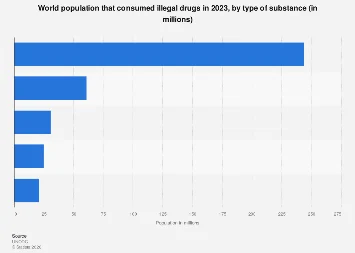
The spectrum of illicit substances is broad, encompassing stimulants, opioids, cannabis, hallucinogens, and synthetic drugs. Each category possesses unique pharmacological properties, addiction potentials, and societal impacts, leading to varied patterns of use. Globally, cannabis remains the most widely consumed illicit drug. Its perceived lower risk profile in some societies, coupled with evolving legalization trends in a growing number of jurisdictions, contributes to its widespread availability and use. However, even within the cannabis market, potency and consumption methods can vary significantly, influencing user demographics and associated health outcomes. Data from organizations like the United Nations Office on Drugs and Crime (UNODC) consistently highlight cannabis as the leading illicit substance by prevalence, with millions of individuals worldwide reporting its use annually.
Opioids, particularly heroin and its synthetic derivatives like fentanyl, represent a more acute and devastating facet of the illicit drug trade. The opioid crisis, a term that has become tragically familiar, underscores the profound public health challenges posed by these substances. Fentanyl, in particular, has emerged as a major driver of overdose deaths globally, often mixed with other drugs without the user’s knowledge. The illicit production and trafficking of synthetic opioids have created a dynamic and dangerous market, characterized by rapid shifts in supply and increased potency. The consumption of opioids is not uniform; it is often linked to patterns of addiction, pain management challenges, and socioeconomic factors. Regions experiencing economic hardship or lacking robust addiction treatment infrastructure can become particularly vulnerable to the spread of opioid use.
Stimulants, including cocaine and amphetamines (such as methamphetamine and ecstasy), also command a significant share of the global illicit drug market. Cocaine, derived from the coca plant, has a long history of illicit trade, particularly in South America, and its consumption is prevalent in North America and Europe. Methamphetamine, a potent synthetic stimulant, has seen a resurgence in many regions, with clandestine laboratories posing significant environmental and health risks. The demand for stimulants is often associated with a desire for heightened energy, focus, or euphoria, and their use can lead to severe psychological and physiological dependence. Market intelligence suggests that the availability and price fluctuations of these substances are heavily influenced by interdiction efforts, geopolitical factors in producer countries, and the adaptability of trafficking networks.
The consumption of hallucinogens, such as LSD and psilocybin (found in "magic mushrooms"), while generally less prevalent than cannabis or opioids, plays a distinct role in the illicit drug landscape. These substances are often sought for their mind-altering and perceptual effects. While historically associated with counter-cultural movements, contemporary use patterns are diverse, with some renewed interest in potential therapeutic applications, albeit within strictly controlled research settings. The illicit market for hallucinogens can be more fragmented and less organized compared to the high-volume trade of other drugs.
Emerging synthetic drugs, often referred to as New Psychoactive Substances (NPS), represent a continuously evolving challenge for law enforcement and public health officials. These substances are designed to mimic the effects of controlled drugs while circumventing existing legislation. The market for NPS is characterized by rapid innovation, with new compounds appearing frequently. Their composition, potency, and health risks are often poorly understood, making them particularly dangerous for consumers. Tracking and regulating NPS consumption is a significant global undertaking, requiring constant vigilance and international cooperation.
The demographic profile of illicit drug consumers is as varied as the drugs themselves. While historically, drug use was often perceived as concentrated among specific age groups or socioeconomic strata, current data suggests a more diffuse pattern. Cannabis use, for instance, is observed across a wide age range, though often more concentrated among younger adults. The use of more potent and dangerous drugs like opioids and methamphetamine can be linked to factors such as poverty, lack of opportunity, untreated mental health issues, and historical trauma. Regional economic conditions play a crucial role; in areas with high unemployment and limited social services, the illicit drug trade can become a substitute economy for some, while also fueling demand among vulnerable populations.
Global comparisons reveal distinct regional dynamics. For example, while cannabis is a global phenomenon, its perceived acceptability and regulatory status vary significantly. In North America, the ongoing legalization of recreational cannabis in Canada and numerous U.S. states has altered consumption patterns and the nature of the market, though an illicit market often persists alongside legal ones. Europe exhibits diverse consumption trends, with varying levels of prevalence for different drug types across member states. South America remains a key region for the production and transit of cocaine, with significant domestic consumption as well. Asia faces challenges from both traditional drugs like heroin and increasingly, synthetic stimulants and NPS.
The economic impact of the illicit drug trade is staggering, extending beyond the direct revenues generated by illegal sales. Significant resources are diverted to law enforcement, interdiction, and the criminal justice system. Public health expenditures related to addiction treatment, overdose prevention, and the management of drug-related illnesses are substantial. Furthermore, the presence of a robust illicit drug market can foster corruption, undermine legitimate businesses, and contribute to violence and instability. Estimates of the global illicit drug market’s value range from tens of billions to hundreds of billions of U.S. dollars annually, representing a substantial drain on global economic potential and a persistent threat to sustainable development.
Understanding these complex consumption patterns is critical for developing effective prevention, treatment, and harm reduction strategies. It requires a nuanced approach that considers not only the pharmacological properties of different drugs but also the social, economic, and environmental factors that drive demand. International cooperation among governments, law enforcement agencies, and public health organizations is essential to address this multifaceted global challenge. The continuous evolution of the illicit drug market necessitates ongoing research, data collection, and adaptive policy responses to mitigate its devastating human and economic toll.