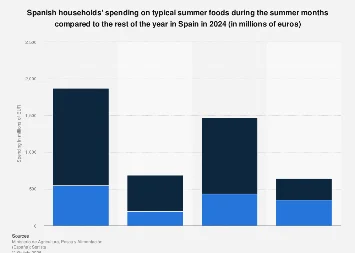
As the summer months approach, Spanish consumers are poised to engage in a significant wave of spending, driven by a confluence of economic factors, evolving lifestyle preferences, and a renewed appetite for leisure and recreation. While precise figures for the total expenditure remain a subject of ongoing analysis and projection, preliminary indicators suggest a dynamic marketplace where traditional summer staples are likely to see robust demand, alongside a notable uptick in experiences and digital services. The economic landscape, characterized by moderate inflation and a resilient labor market, provides a generally supportive backdrop for this anticipated consumer activity.
The traditional summer spending categories in Spain have long included a substantial allocation towards tourism and hospitality. With the nation being a perennial favorite for both domestic and international travelers, hotels, restaurants, and entertainment venues are anticipating a busy season. The Spanish tourism sector, a critical pillar of the national economy, contributes significantly to GDP and employment. In 2023, Spain once again cemented its position as a global tourism powerhouse, and projections for 2024 indicate a sustained, if not slightly increased, level of inbound and outbound travel. This surge in travel directly fuels expenditure on accommodation, dining, local transportation, and ancillary services such as tours and excursions.
Beyond the direct impact of tourism, consumer spending on seasonal goods constitutes another significant portion of the summer economic activity. This encompasses a wide array of products, from clothing and footwear designed for warmer weather to outdoor recreational equipment, swimwear, and sun protection. Retailers across Spain are gearing up for increased footfall and online orders, adjusting inventory to meet the anticipated demand. The fashion sector, in particular, sees a significant seasonal uplift as consumers refresh their wardrobes. Furthermore, the growing trend towards outdoor living and garden enhancement also translates into higher sales for furniture, barbecues, and gardening supplies.
However, the nature of summer spending is not solely confined to tangible goods. The burgeoning experience economy plays an increasingly vital role. Spanish consumers are demonstrating a growing preference for spending on activities that create lasting memories. This includes attending music festivals, outdoor concerts, sporting events, and engaging in adventure tourism. The demand for cultural experiences, such as visiting historical sites and museums, also sees a seasonal boost, particularly in popular tourist destinations. This shift towards experiential spending reflects a broader global trend where consumers are prioritizing personal enrichment and social engagement over the accumulation of material possessions.
The digital realm is also a crucial, and often underestimated, component of summer spending. Online retail continues its upward trajectory, with consumers increasingly turning to e-commerce platforms for convenience and a wider selection of goods and services. This extends to booking travel, ordering food delivery, and even subscribing to streaming services for entertainment during leisure time. Mobile commerce, in particular, is expected to see significant growth, as consumers utilize their smartphones for seamless purchasing on the go. The digital economy’s integration into traditional summer activities means that online platforms are not just supplementary but integral to how consumers plan and execute their summer plans.
Economic analysts are closely monitoring several factors that could influence the trajectory of summer spending in Spain. Consumer confidence, a key indicator of willingness to spend, has shown resilience, supported by a relatively stable employment situation and the gradual easing of inflationary pressures experienced in previous years. However, global economic uncertainties, including geopolitical tensions and fluctuations in energy prices, could still present headwinds. The purchasing power of households, therefore, remains a critical determinant of the overall spending volume. Statistics from national economic institutes often highlight the correlation between disposable income and consumer expenditure during peak seasons.
The impact of this spending spree extends beyond individual consumers and retailers. It reverberates throughout the broader Spanish economy. The hospitality sector, a major employer, benefits directly from increased bookings and patronage. The retail sector experiences a surge in sales, which can be crucial for meeting annual revenue targets. Furthermore, the demand for logistics and transportation services rises, supporting jobs in these industries. The multiplier effect of consumer spending is significant, as the money spent circulates through various sectors, creating further economic activity and employment opportunities. For instance, a tourist’s expenditure on a hotel room not only benefits the hotel but also the suppliers of food and beverages, cleaning services, and local tour operators.
Comparatively, Spain’s summer spending patterns align with broader European trends, where tourism and leisure activities dominate the economic landscape during the warmer months. Countries with similar climates and cultural attractions often witness comparable surges in consumer activity. However, specific consumption habits, influenced by local traditions and economic conditions, create unique market dynamics. While many European nations see a rise in spending on outdoor activities, the intensity and specific focus can differ. For example, the Spanish emphasis on beach culture and Mediterranean lifestyle influences the types of products and experiences that are most sought after.
Market data from consumer research firms often segments spending by demographic groups, revealing nuanced patterns. Younger consumers, for instance, may allocate a larger proportion of their summer budget towards digital entertainment, festivals, and travel, while older demographics might focus more on traditional holiday packages and local cultural events. The growing segment of remote workers and digital nomads also introduces new spending behaviors, with individuals potentially extending their stays in tourist destinations and contributing to the local economy over longer periods.
Looking ahead, the sustainability of this summer spending will depend on a variety of factors. Continued economic stability, effective fiscal policies, and the ability of businesses to adapt to evolving consumer preferences will be paramount. The integration of sustainable practices within the tourism and retail sectors is also gaining importance, as consumers become more conscious of their environmental footprint. Businesses that can offer eco-friendly options and promote responsible consumption are likely to see increased favor. The long-term outlook for Spain’s summer economy hinges on its ability to maintain its appeal as a destination while embracing innovation and sustainability in its offerings. The anticipated economic uplift from the 2024 summer season is a testament to the resilience and dynamism of the Spanish consumer market.