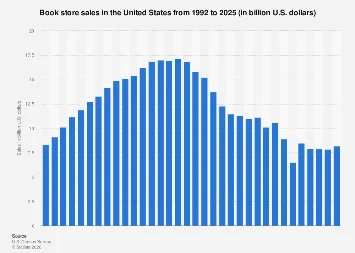
The American bookstore, a long-standing pillar of cultural and intellectual life, is poised for a period of significant transformation and adaptation through 2025. Far from a monolithic entity, the sector is experiencing a complex interplay of challenges and opportunities, driven by evolving consumer habits, technological advancements, and economic pressures. While forecasts indicate a degree of resilience, the landscape demands strategic agility and a keen understanding of market dynamics for bookstores to thrive in the coming years. Projections suggest that the overall revenue generated by U.S. bookstores is expected to see a modest, yet steady, growth trajectory. However, this headline figure masks a more nuanced reality, where the success of individual establishments will hinge on their ability to innovate and cater to a discerning customer base.
Globally, the book retail sector has been in flux for over a decade. The digital revolution, initially perceived as an existential threat, has largely settled into a co-existence with physical retail. E-books and audiobooks have carved out significant market share, yet the tactile experience of browsing shelves, the serendipity of discovery, and the community aspect of a local bookstore continue to hold a powerful appeal for a substantial segment of consumers. In the U.S., this trend is particularly evident. While online retailers, spearheaded by giants like Amazon, continue to dominate a considerable portion of book sales, brick-and-mortar bookstores are finding their niche by emphasizing experiences and curated selections. This is not merely a battle between online and offline; it’s a fundamental redefinition of what a bookstore can and should be in the 21st century.
Market data points to a bifurcated consumer preference. A segment of readers, driven by convenience and price, will continue to gravitate towards digital formats and online purchasing. However, a significant and often highly engaged demographic values the tangible aspects of book ownership and the in-store experience. This latter group is crucial for the survival and resurgence of physical bookstores. These consumers are not just buying books; they are seeking a curated environment, knowledgeable staff, and a sense of community. Consequently, bookstores that can foster this environment are likely to outperform those that rely solely on transaction-based sales. The average annual revenue for bookstores, while difficult to pinpoint precisely due to the diverse nature of the sector (ranging from independent shops to large chains), is anticipated to show incremental gains, reflecting this dual consumer approach.
The economic impact of bookstores extends beyond their direct sales figures. They are significant contributors to local economies, providing employment opportunities and acting as cultural hubs that can attract foot traffic to surrounding businesses. Independent bookstores, in particular, play a vital role in fostering local identity and supporting a diverse literary ecosystem. Their ability to champion niche genres, debut authors, and local talent enriches the cultural fabric of their communities. The health of these businesses, therefore, has ripple effects that benefit a wider economic spectrum. As the U.S. economy navigates potential shifts, the consistent, albeit sometimes modest, revenue streams from well-managed bookstores can offer a degree of stability.
Looking ahead to 2025, several key trends will shape the trajectory of American bookstores. Firstly, the integration of technology within physical spaces will become increasingly important. This isn’t about replacing the physical book but about enhancing the customer journey. Interactive displays, personalized recommendations powered by AI, seamless online-to-offline ordering systems, and even augmented reality experiences are all tools that forward-thinking bookstores are exploring. These innovations can bridge the gap between the digital convenience consumers expect and the tangible experience they desire. For instance, a customer might browse a book in-store, scan a QR code to read reviews, see related titles, or even place an order for a different edition for home delivery.
Secondly, the concept of the bookstore as a community space will deepen. This translates to offering more than just books. Events such as author signings, book clubs, poetry readings, children’s story times, and even workshops on writing or other creative pursuits will become essential draws. Cafes and comfortable seating areas further encourage lingering and social interaction, transforming the bookstore into a destination rather than just a retail outlet. This experiential retail model is a powerful counterpoint to the solitary nature of online shopping. By creating an inviting atmosphere, bookstores can cultivate customer loyalty and encourage repeat visits, thereby driving sales beyond impulse buys. This trend is globally observed, with successful bookstores in Europe and Asia often functioning as multi-purpose community centers.
Thirdly, the curation of inventory will become a critical differentiator. In an era of information overload, consumers often seek trusted sources to guide their choices. Bookstores that can offer a carefully selected range of titles, reflecting a distinct editorial vision or catering to specific interests within their community, will stand out. This might mean specializing in particular genres, focusing on local authors, or championing independent publishers. Knowledgeable staff who can offer personalized recommendations are invaluable assets in this regard. Their expertise acts as a human-powered recommendation engine, a service that algorithms, while sophisticated, cannot fully replicate. This emphasis on curated selection is a direct response to the overwhelming abundance of choice available online, offering consumers a sense of guidance and discovery.
The competitive landscape remains intense. Independent bookstores, while often lauded for their unique offerings, face significant challenges from larger chains and online retailers. Rent costs, labor expenses, and the sheer purchasing power of online giants are persistent hurdles. However, many independent bookstores have demonstrated remarkable resilience by embracing collaborative initiatives, forming co-ops for bulk purchasing, and leveraging their strong local connections. The Independent Booksellers Coalition, for example, provides resources and advocacy for smaller shops. Their ability to adapt and innovate, often with limited resources, is a testament to their entrepreneurial spirit.
The broader economic context also plays a role. Inflationary pressures can impact consumer discretionary spending, potentially affecting book sales. However, books are often considered relatively affordable forms of entertainment and education, which can make them more resilient during economic downturns compared to luxury goods. Furthermore, a growing awareness of the importance of literacy and lifelong learning could sustain demand. The ongoing debate around the value of physical books versus digital alternatives also continues to shape market dynamics, with some studies indicating a resurgence of interest in physical books among younger generations seeking a break from screen time.
Looking specifically at the projected figures for 2025, while precise dollar amounts are subject to market fluctuations, the trend lines indicate a market that is not in decline but rather in a state of redefinition. Growth, when it occurs, will likely be driven by the successful implementation of experiential retail strategies, effective digital integration, and a strong emphasis on community engagement. The U.S. bookstore market is not a static entity; it is a dynamic ecosystem constantly evolving to meet the changing needs and desires of its readership. The coming years will undoubtedly test the adaptability of these businesses, but for those that can master the art of combining the timeless appeal of the printed word with the demands of a modern consumer, the future remains promising. The bookstore, in its new guise, is set to remain a vital part of the American retail and cultural landscape.