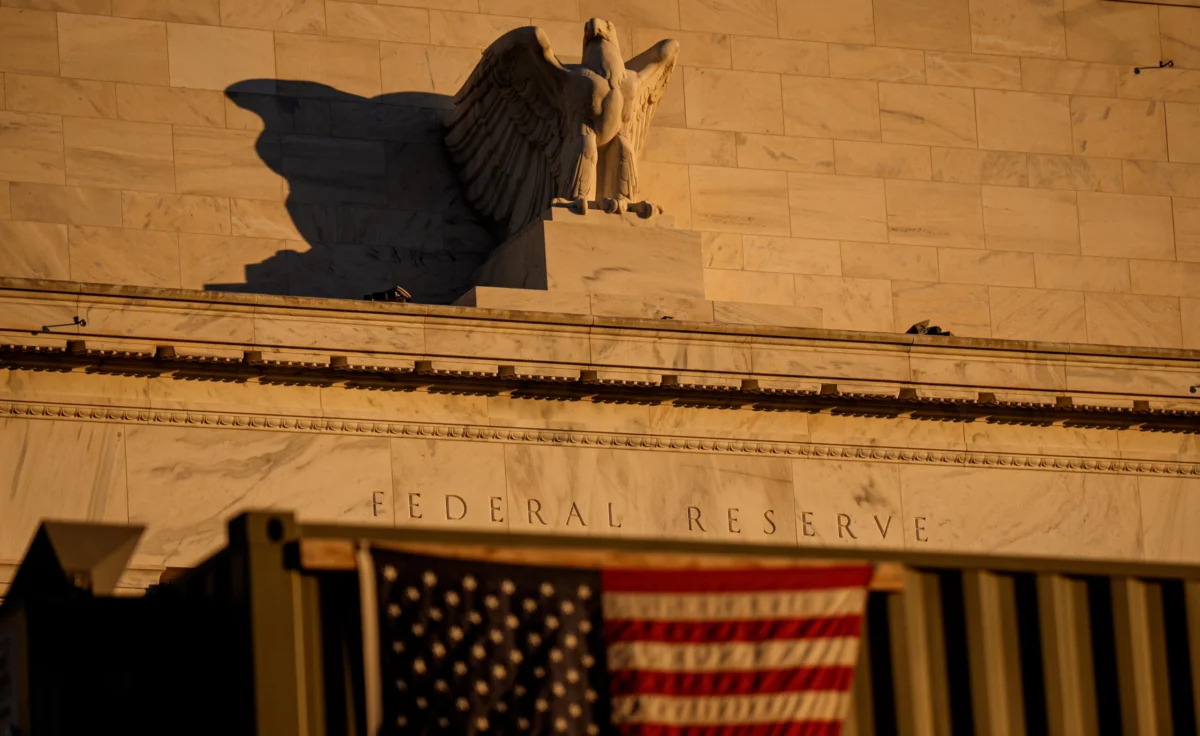
The prevailing narrative of a Federal Reserve on the verge of a sustained pause has been abruptly upended as a combination of geopolitical turmoil and stubborn inflationary pressures forces a recalibration of market expectations. For months, the consensus among economists and Wall Street analysts suggested that the central bank had reached the terminal point of its tightening cycle, with the focus shifting toward the timing of eventual rate cuts. However, a series of rapid-fire developments in international trade and energy markets has significantly narrowed the window for a "status quo" decision at the upcoming July 29 meeting of the Federal Open Market Committee (FOMC).
Market-implied probabilities, which only a week ago signaled a near-certainty of held rates, are now flashing signs of a renewed hawkish tilt. According to the CME Group’s FedWatch Tool, the probability of a 25-basis-point hike in July has surged to 46.5%, a sharp escalation from the 34% recorded just 24 hours prior. This sentiment shift is mirrored in prediction markets, where platforms like Kalshi have seen the odds of a rate increase jump to 36%. This represents a dramatic turnaround from early July, when such a move was viewed as a tail-risk event with less than a 10% probability. The volatility in these forecasts underscores a growing anxiety that the "last mile" of the inflation fight may be the most treacherous.
The primary catalyst for this sudden hawkish pivot is the re-emergence of systemic risk in the global energy supply chain. The announcement by the U.S. administration regarding the reinstatement of a blockade on Iranian ports near the Strait of Hormuz, coupled with the imposition of a 20% toll on all cargo transiting the passageway, has sent shockwaves through the commodities sector. The Strait of Hormuz remains the world’s most critical oil chokepoint, facilitating the passage of approximately 21 million barrels of oil per day, or roughly 21% of global petroleum liquids consumption. Any disruption or increased cost of transit in this corridor is viewed by markets as an immediate inflationary tax on the global economy.
In response to the escalating tensions, West Texas Intermediate (WTI) crude oil prices surged by more than 5% in a single trading session, breaching the $75-per-barrel threshold. For the Federal Reserve, which has spent the better part of two years attempting to anchor inflation expectations, the prospect of a sustained energy spike is particularly unwelcome. Energy costs have a pervasive "pass-through" effect, influencing everything from logistics and manufacturing to the price of consumer staples. While the Fed typically prefers to look at "core" inflation—which excludes volatile food and energy components—policymakers are acutely aware that headline inflation is what drives public perception and wage demands.
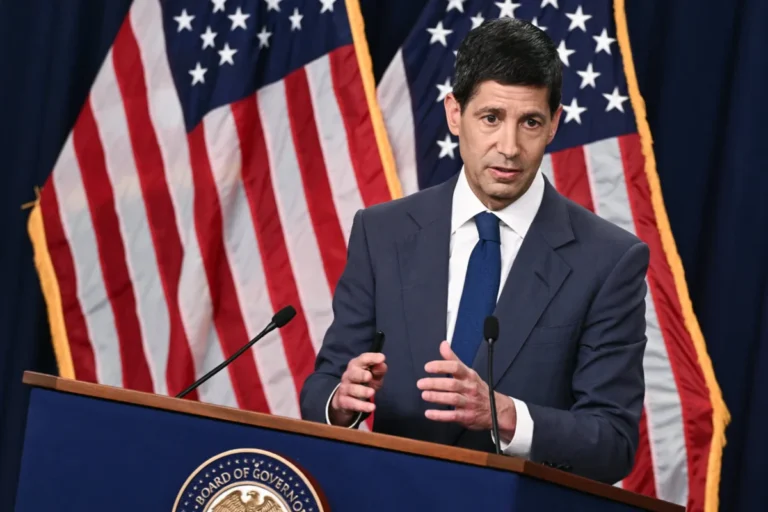
Adding weight to the argument for a preemptive strike is the recent rhetoric from Federal Reserve Governor Christopher Waller. In a closely watched address, Waller cautioned that the central bank must remain vigilant against the "ghosts of 2021 and 2022," a period when the Fed was criticized for being behind the curve as inflation accelerated to 40-year highs. Waller’s comments suggest a paradigm shift within the Board of Governors: a preference for over-tightening rather than risking a secondary inflation wave. By stating that the bank should not "fight the last war" but must also avoid the mistake of waiting too long to act, Waller has effectively put a July hike back on the table as a viable insurance policy against a resurging Consumer Price Index (CPI).
The timing of this geopolitical shock is particularly sensitive given the current state of domestic economic data. Economists surveyed by Dow Jones anticipate that the June inflation report will show an annual increase of 3.8%. While this is a notable decline from the 4.2% recorded in May, it remains nearly double the Fed’s long-term target of 2%. The concern among central bankers is that the "disinflationary" trend of the past several months may be stalling. If the June data—set to be released Tuesday—shows any sign of a rebound in core services or a smaller-than-expected decline in the headline figure, the pressure on the FOMC to act in July will likely become irresistible.
The complexity of the current environment is further exacerbated by structural shifts in the economy that traditional monetary models may be struggling to capture. Analysts at Barclays, led by Global Chairman of Research Ajay Rajadhyaksha, have pointed out that the traditional mechanism of "demand destruction" is not functioning as expected. Typically, high interest rates and elevated energy prices lead to a significant cooling of consumer and corporate spending. However, the current labor market remains remarkably resilient, and corporate balance sheets, bolstered by the transition toward high-growth sectors like artificial intelligence, continue to support robust investment.
Rajadhyaksha noted that the inflationary outlook is being complicated by what some are calling "AI-induced price hikes." The massive capital expenditure required to build out the infrastructure for artificial intelligence—from specialized semiconductors to the vast amounts of electricity needed for data centers—is creating new bottlenecks in the global supply chain. This "green and tech" inflation is less sensitive to interest rate hikes than traditional sectors like housing or automotive manufacturing, meaning the Fed may have to maintain a more aggressive stance for longer to achieve the same cooling effect on the broader economy.
Furthermore, the "pass-through" effect of the current oil shock is expected to have a longer tail than previous cycles. Because global inventories are already tight and the geopolitical premium is rising, the inflationary impact of $75+ oil could linger well into the autumn months. This creates a difficult "data-dependent" framework for the Fed. As Rajadhyaksha argued, a central bank that responds only to lagging data risks missing the inflection point where forecasts turn decisively negative. With the "prints" for the next several months expected to reflect the new energy reality, a hawkish stance may be the only way for the Fed to maintain its hard-won credibility.
The global implications of a July rate hike by the U.S. Federal Reserve cannot be overstated. A move to tighten policy further would likely lead to a renewed strengthening of the U.S. dollar, putting downward pressure on other major currencies and complicating the inflation-fighting efforts of the European Central Bank (ECB) and the Bank of England. For emerging markets, a more hawkish Fed increases the cost of servicing dollar-denominated debt and risks triggering capital outflows as investors seek the higher, "risk-free" returns of U.S. Treasuries.
As the July 29 decision date approaches, the Federal Reserve finds itself at a critical crossroads. On one hand, the domestic economy shows signs of a soft landing, with inflation trending downward and the labor market stabilizing. On the other hand, the external environment has become fraught with risks that could easily reignite the inflationary fire. The 20% toll on cargo through the Strait of Hormuz is not merely a regional dispute; it is a systemic shock that threatens to undo months of monetary progress.
The Fed’s challenge is to determine whether the current spike in oil prices and the hawkish shift in market sentiment are temporary noise or the beginning of a new, more difficult chapter in the inflation battle. If Governor Waller’s warnings are any indication, the committee may decide that the cost of inaction is far higher than the cost of a quarter-point hike. In an era defined by "black swan" events and shifting geopolitical alliances, the Federal Reserve appears increasingly unwilling to take its foot off the brake until the path to 2% inflation is not just visible, but secured.
Investors and households alike must now prepare for a "higher for longer" interest rate environment that could persist well beyond previous expectations. The optimism that defined the early summer markets is being replaced by a sober realization: in the fight against inflation, the Federal Reserve is far more concerned with the risks of being too late than the risks of being too early. As the July 29 meeting looms, the only certainty is that the era of predictable monetary policy has been replaced by a new period of high-stakes, data-driven volatility.