India’s vast liquefied petroleum gas (LPG) market, a cornerstone of household energy for millions, is undergoing a significant transformation, moving beyond its traditional role as a subsidized essential commodity to a dynamic, service-oriented industry. State-owned oil marketing companies (OMCs), long the pillars of India’s energy infrastructure, are spearheading this evolution by introducing premium services, advanced composite cylinders, and digitally-enabled express delivery models. This strategic shift is aimed at catering to the evolving demands of urban consumers, marked by increasingly busy lifestyles and a preference for convenience, safety, and transparency. The market, traditionally dominated by Indian Oil Corporation (IOCL), Bharat Petroleum Corporation Ltd (BPCL), and Hindustan Petroleum Corporation Ltd (HPCL), is now witnessing an intensified race to capture the burgeoning premium segment, signaling a new era of competition and innovation.
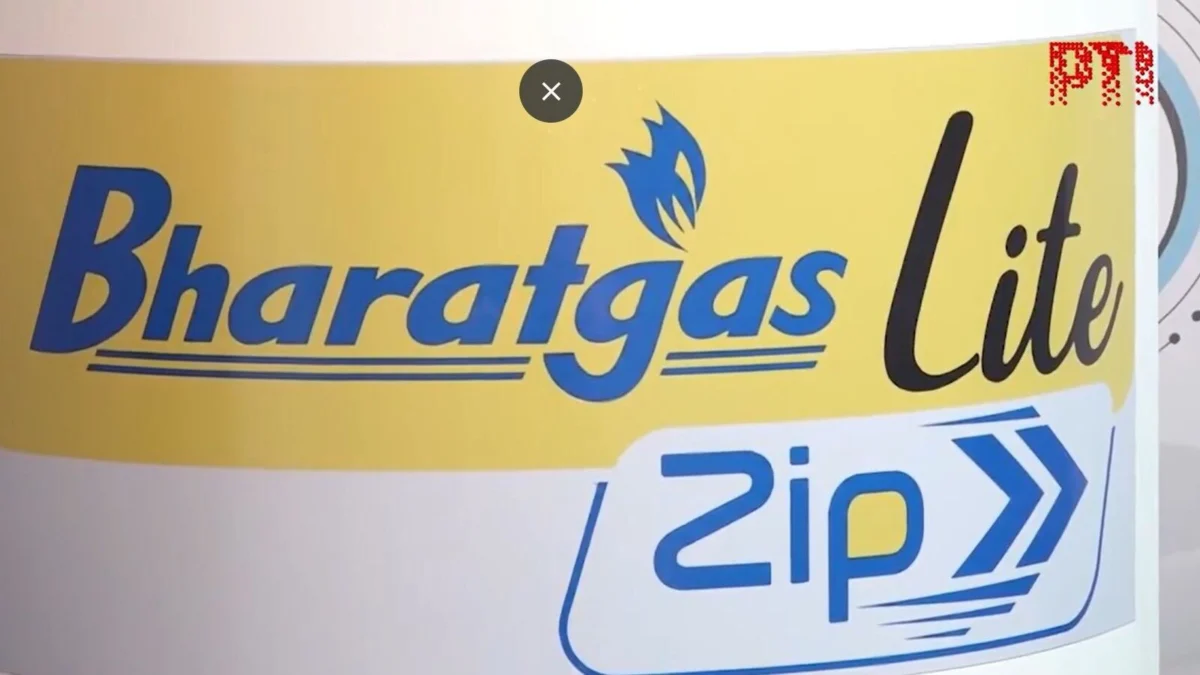
Bharat Petroleum Corporation Ltd (BPCL) has recently marked its entry into this premium segment with the launch of Bharatgas Lite ZIP, an innovative service designed to streamline the entire LPG experience. At its core, Bharatgas Lite ZIP offers instant new LPG connections, significantly reducing the bureaucratic hurdles and waiting periods traditionally associated with acquiring a cooking gas connection. Complementing this is an express cylinder delivery service, a crucial feature for urban dwellers seeking quick replenishment without disruption. The service leverages BPCL’s Bharatgas Lite composite cylinder, a product engineered for superior user experience. Unlike conventional heavy steel cylinders, the composite version is notably lighter, making it easier to handle and move. Its construction incorporates corrosion-resistant materials, enhancing durability and longevity, particularly in varied climatic conditions. A key differentiator is its transparent gas-level indicator, allowing consumers to monitor gas consumption and anticipate refills, thereby avoiding unexpected outages. Furthermore, these cylinders are designed with enhanced safety measures and boast a modern, consumer-friendly aesthetic, aligning with contemporary home decor trends. Initially rolled out in Mumbai, a major metropolitan hub, BPCL has ambitious plans for a rapid nationwide expansion, targeting 100 cities across 24 states by August 15, 2026, demonstrating a clear intent to establish a formidable presence in the premium LPG market.
This strategic move by BPCL closely follows a pioneering initiative by Hindustan Petroleum Corporation Ltd (HPCL), which forged an unprecedented partnership with quick-commerce giant Swiggy Instamart for on-demand LPG cylinder deliveries. This collaboration represents a significant digital leap for India’s LPG sector, leveraging Swiggy Instamart’s extensive hyperlocal delivery network to offer unparalleled convenience. The service, which debuted in Bengaluru, India’s tech capital, enables customers to order LPG cylinders directly through the Instamart application, notably without requiring a pre-existing domestic LPG connection for initial purchases. This caters specifically to a demographic often underserved by traditional LPG distribution models: students, young professionals, and smaller households residing in rented accommodations or shared living spaces who may not have formal utility connections. HPCL introduced HP Navya, a new 10-kg composite LPG cylinder, alongside its existing 5-kg metal cylinder, through this platform. The HP Navya composite cylinder shares similar advantages with its BPCL counterpart, being lightweight, corrosion-resistant, and featuring a translucent body for gas level monitoring, making it ideal for compact living spaces and as a convenient secondary cylinder. The operational model involves identity verification and proof-of-delivery for new connections, while subsequent orders are processed as refills, with empty cylinders collected upon delivery. While the service has been highly praised for its innovation, a timeline for its expansion beyond Bengaluru is yet to be announced, indicating a phased approach to scaling this novel model.

The entry of quick-commerce platforms into LPG delivery underscores a broader shift in consumer expectations and the increasing integration of technology into essential services. Swiggy Instamart’s CEO, Amitesh Jha, highlighted this as part of the company’s strategy to diversify beyond groceries into a wider array of daily necessities, reflecting a trend seen globally where rapid delivery services are expanding their product portfolios. HPCL’s Director of Marketing, Amit Garg, emphasized the partnership’s role in making LPG more accessible to "Naya Bharat" – a new, digitally-savvy India – through a rapid-delivery model. This convergence of traditional energy distribution with modern digital logistics platforms is not merely about faster delivery; it’s about redefining the customer relationship, offering flexibility, and addressing the specific needs of an evolving urban consumer base.
The competitive landscape is further shaped by Indian Oil Corporation (IOCL), the largest OMC, which also offers its own range of composite LPG cylinders, such as the Indane Composite Cylinder. While IOCL has been proactive in digitalizing its services, including online booking and payment options, the explicit integration with quick-commerce platforms for instant, no-connection-required delivery as seen with HPCL and Swiggy Instamart represents a new frontier. This intensifying competition among all three state-owned players is driving innovation across the entire value chain, from product design to last-mile delivery. The Indian LPG market is one of the largest globally, with a penetration rate exceeding 99% of households, largely driven by government initiatives like the Pradhan Mantri Ujjwala Yojana, which provided free LPG connections to women from economically weaker sections. This widespread access has now laid the groundwork for a focus on service quality and product differentiation, moving beyond basic availability to premium offerings.
The economic and social implications of this market evolution are substantial. For consumers, the benefits are multifaceted: unparalleled convenience, enhanced safety features, greater transparency in gas consumption, and increased accessibility for previously underserved demographics. The "instant connection" feature is particularly transformative, democratizing access to clean cooking fuel for transient populations and those without traditional documentation or fixed addresses, fostering greater energy equity. Economically, this intensified competition is likely to stimulate efficiency gains across the OMCs, potentially leading to better service standards and innovative pricing models. It also fosters job creation within the burgeoning logistics and delivery sectors, aligning with the "Digital India" vision and promoting ease of living. Environmentally, while LPG is a fossil fuel, the composite cylinders, being lighter, contribute to marginally lower transportation emissions. Moreover, their recyclable nature and enhanced safety features contribute to a more sustainable and secure energy ecosystem compared to traditional steel variants.
Looking ahead, several challenges and opportunities will shape the trajectory of India’s premium LPG market. Scaling these rapid-delivery and instant-connection models across the country’s diverse geographical and infrastructural landscape will be a significant logistical undertaking. The delicate balance between premium service costs and affordability, especially in a market historically accustomed to subsidized pricing, will require careful strategic navigation by OMCs. Furthermore, competition is not limited to within the LPG sector; the rise of piped natural gas (PNG) in urban areas and the increasing adoption of electric cooking appliances present alternative energy choices that could impact long-term LPG demand. However, the OMCs are well-positioned to leverage their extensive distribution networks, brand loyalty, and technological advancements to adapt. The future of LPG distribution in India is likely to be a hybrid model, characterized by robust digital integration, hyper-personalization of services, and a continued focus on innovative product offerings to meet the dynamic needs of a rapidly modernizing consumer base. This ongoing transformation heralds an exciting period for India’s energy sector, promising a more efficient, convenient, and customer-centric approach to cooking fuel.