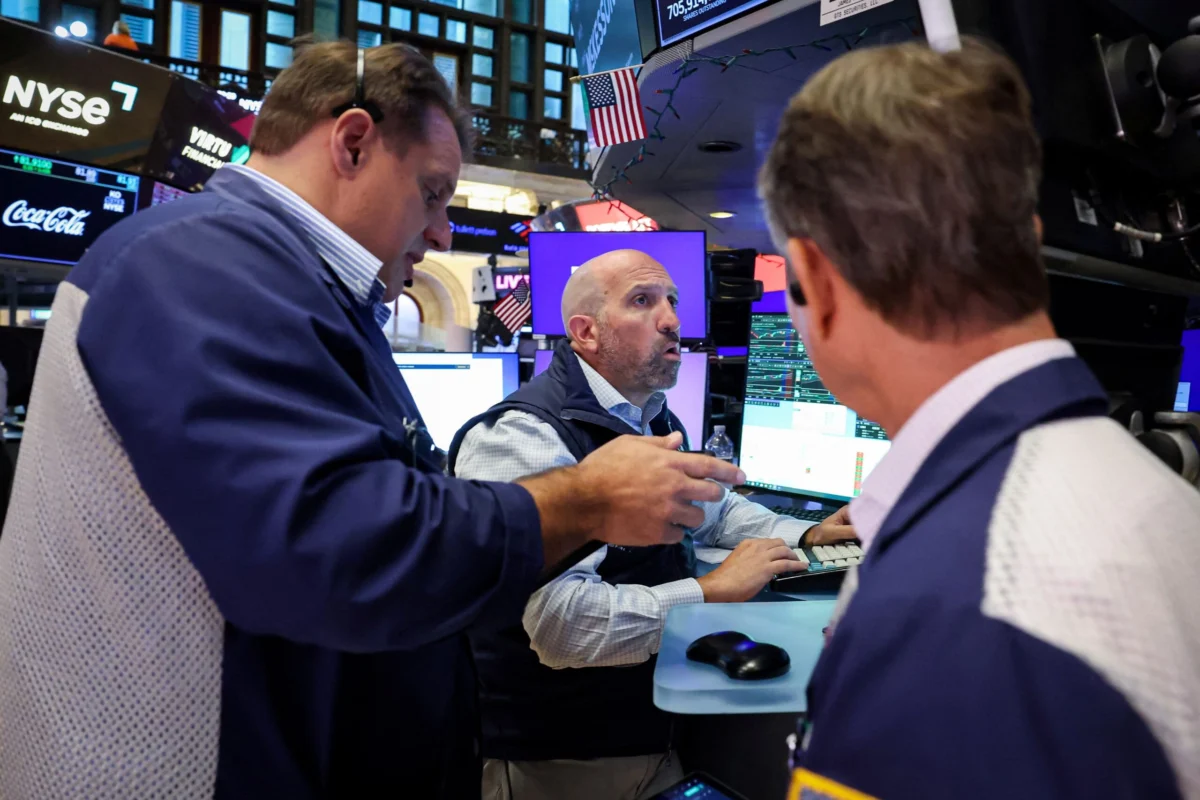
The psychological barrier of $100-a-barrel oil has finally breached the defenses of a defiant Wall Street, forcing a sharp recalibration of risk as the specter of a prolonged Middle Eastern conflict moves from a peripheral concern to a central market driver. For months, equity markets appeared to operate in a vacuum of optimism, fueled by the relentless momentum of artificial intelligence and a belief in a diplomatic "off-ramp" for rising tensions. However, that veneer of stability evaporated on Thursday as a convergence of surging energy costs, climbing Treasury yields, and direct attacks on maritime trade routes left investors with nowhere to hide. The S&P 500, which had spent much of the early summer shrugging off geopolitical skirmishes, suffered its most significant single-day retreat in a month, signaling a fundamental shift in the global investment narrative.
The catalyst for this sudden realization was a series of kinetic events that made the "business as usual" approach untenable. Reports of targeted strikes against oil tankers off the coast of Saudi Arabia acted as a lightning rod for market anxieties, sending Brent Crude futures surging past the $100 threshold. This move was complemented by a 6% jump in West Texas Intermediate (WTI) to approximately $92 per barrel. The energy sector’s volatility is no longer seen as a transitory spike but as a structural threat to global disinflation. Since the U.S. military initiated a series of twelve consecutive nightly strikes against Iranian assets in mid-July, the energy market has been on a slow-motion collision course with equity valuations. While stocks initially remained flat during the early stages of this military campaign, the cumulative weight of $100 oil has effectively broken the market’s complacency.
Economists and market strategists are now pointing to a "triple threat" that is currently suffocating the equity rally: high energy costs, rising interest rates, and the resurfacing of stagflation fears. When oil prices sustain levels above $90, the ripple effects permeate every corner of the global economy. For the consumer, it manifests as a "tax" at the pump, draining discretionary income that would otherwise support retail and service sectors. For corporations, it translates into higher logistics and input costs, squeezing profit margins that are already under pressure from high labor costs. The move in oil is particularly stinging because it arrived just as many analysts believed the worst of the inflationary cycle was in the rearview mirror.
Parallel to the chaos in the energy pits, the fixed-income market is sounding its own alarm. The yield on the 10-year U.S. Treasury note—a global benchmark for borrowing costs—has surged past 4.7%, its highest point since early 2025. Even more concerning for the long-term economic outlook is the 30-year Treasury yield, which has firmly established itself above the 5% mark. These levels represent more than just numbers on a screen; they are a gravity well for equity multiples. High yields make the future cash flows of growth stocks, particularly in the technology and AI sectors, less valuable in today’s dollars. Furthermore, they tighten the noose on the housing market and corporate refinancing, creating a restrictive environment that could stifle growth well into the next fiscal year.
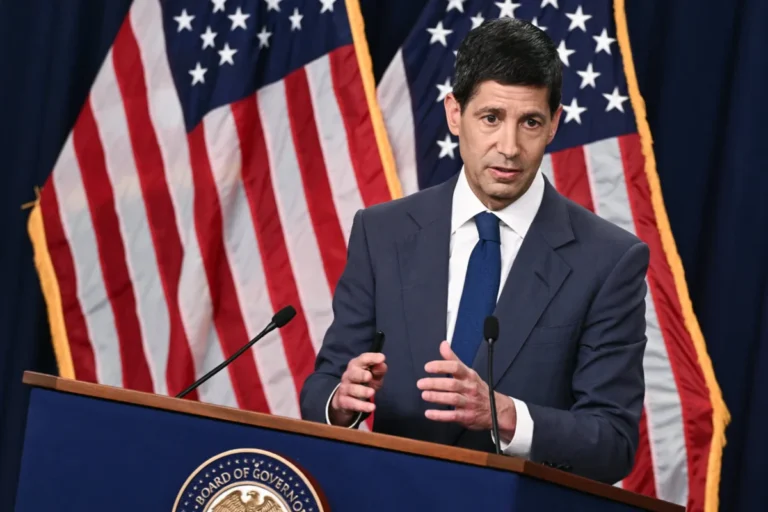
The Federal Reserve’s position has been complicated by these developments. Just a week ago, the probability of a rate hike at the upcoming central bank meeting was dismissed by many as a tail risk, with CME FedWatch tools pricing in only a 12% chance. Following the latest escalation, those odds have nearly tripled to 38%. More tellingly, the probability of a hike by the September meeting has skyrocketed to over 80%. The "higher for longer" mantra, which some investors hoped would be retired by autumn, has been reinvigorated. The Fed now faces the classic central banker’s dilemma: raising rates to combat energy-driven inflation at the risk of tipping a fragile economy into recession, or holding steady and allowing inflationary expectations to become unanchored.

The current market environment is a stark contrast to the optimism seen in April and May. During that period, the S&P 500 underwent a "ferocious" rebound, largely driven by two factors. First was the "AI trade," where a handful of mega-cap technology firms provided a defensive buffer for the broader index. Second was a geopolitical bet—specifically, the belief that the U.S. administration, under President Donald Trump, would prioritize an economic "off-ramp" to prevent a full-scale war that would jeopardize domestic prosperity. Major institutional players, including equity strategists at JPMorgan, had previously advised clients to "buy the dip" created by Iran-related headlines, operating under the assumption that a diplomatic deal was the most likely outcome.
That thesis is now under extreme duress. The "off-ramp" that many expected has been replaced by a cycle of escalation. The bet that the U.S. economy was uniquely insulated from energy shocks—due to its status as a major oil producer—is also being tested. While the U.S. is indeed more energy-independent than it was during the oil crises of the 1970s, the global nature of pricing means that domestic consumers and businesses are not shielded from the price shocks triggered by instability in the Strait of Hormuz. Analysts are beginning to warn that if oil sustains a price point above $120, the "trickle-down" effects on global supply chains will become catastrophic, potentially leading to a synchronized global slowdown.
The specter of stagflation—a toxic combination of stagnant economic growth and high inflation—is the primary fear for long-term investors. We saw a preview of this in March, when the initial outbreak of hostilities saw the S&P 500 drop more than 7.5% as oil prices rose nearly 70%. While the market eventually recovered, the current fundamental backdrop is different. In March, the labor market was perceived as indestructible and corporate earnings were resilient. Today, the cumulative impact of two years of high interest rates has left the economy with less "cushion" to absorb a new round of shocks.
Global comparisons further illustrate the severity of the situation. European markets, which are more sensitive to energy imports than the U.S., have shown even greater signs of strain, with industrial hubs in Germany and Italy reporting a slowdown in manufacturing activity tied directly to energy costs. In Asia, major importers like Japan and South Korea are seeing their currencies weaken against the dollar as they pay more for essential fuel, further complicating the global trade balance. The interconnectedness of the modern economy means that a flare-up in the Middle East is no longer a localized event; it is a systemic risk that affects the cost of capital from London to Tokyo.
For the retail investor, the current volatility serves as a reminder of the "geopolitical risk premium" that had been largely absent from portfolios for the better part of a decade. The transition from a market driven by earnings and innovation to one driven by headlines and troop movements is always jarring. As borrowing environments tighten and the cost of living rises at the gas pump, the "AI halo" that protected the markets for the first half of the year is beginning to dim. Investors are now forced to confront a reality where the geopolitical landscape is the primary architect of economic policy.
As the week closes, the focus remains on whether diplomatic channels can be reopened or if the military engagement will broaden. Until a clear de-escalation occurs, the $100 oil mark will likely act as a ceiling for equity performance. The stock market, often accused of being shortsighted, has finally been forced to look at the horizon—and it does not like what it sees. The era of brushing off war as a "temporary disruption" has ended, replaced by a sober recognition that in a globalized economy, the price of conflict is eventually paid by everyone, from the floor of the New York Stock Exchange to the average household budget.