The delicate equilibrium of the global financial markets has been upended by a dual-pronged surge in energy costs and labor market resilience, forcing a dramatic recalibration of expectations for the Federal Reserve’s monetary policy trajectory. As Brent crude breached the psychologically significant $100-per-barrel threshold for the first time in months, investors have moved swiftly to price in a more aggressive stance from the U.S. central bank. What was once a cautious optimism regarding a potential pause in the tightening cycle has been replaced by a growing conviction that the battle against inflation is far from over, with the "higher for longer" mantra taking on a new, more urgent meaning.
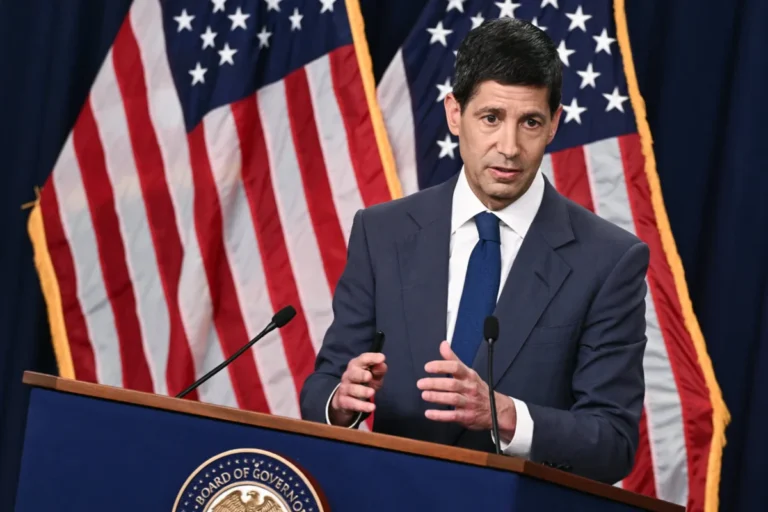
Market participants are now aggressively hedging against a more hawkish Federal Open Market Committee (FOMC). According to data from the CME Group’s FedWatch tool, the probability of a rate hike at the September policy meeting has surged to approximately 82%, a staggering leap from the 53% probability recorded just one week ago. While the consensus remains that the central bank will likely hold the federal funds rate steady at the current range of 3.50% to 3.75% during its immediate upcoming gathering, the "wait-and-see" approach is losing its dominance. A vocal and growing minority of traders is now preparing for a surprise quarter-percentage-point increase as early as next week, with futures trading indicating a 38% probability of such a move—nearly triple the 12% likelihood seen in the previous week.
The primary catalyst for this shift is the volatile energy complex. Brent crude, the international benchmark, surged to $100 a barrel on Thursday, driven by a series of escalating military and diplomatic provocations between the United States and Iran. These tit-for-tat attacks in critical maritime corridors have reignited fears of a sustained supply disruption in the Middle East, a region already grappling with geopolitical instability. The domestic impact in the United States was immediate; the average price for a gallon of gasoline climbed to $4 this week, according to AAA data. For the Federal Reserve, rising energy prices are a double-edged sword: they act as a "tax" on consumer spending, potentially slowing growth, but more critically, they threaten to unanchor inflation expectations just as the central bank thought it was gaining the upper hand.
The economic narrative was further complicated by the release of exceptionally tight labor market data. Initial jobless claims for the week ended July 18 plummeted to 187,000, the lowest level recorded since 1969. To put this figure in perspective, the U.S. population in 1969 was roughly 200 million, compared to more than 330 million today. This historic level of employment suggests that despite the Fed’s aggressive tightening over the past two years, the American economy continues to run hot. From a policy perspective, this provides the FOMC with the "green light" to focus exclusively on price stability. Without the immediate threat of a rising unemployment rate, the Fed has little incentive to pivot toward easing, even as energy-driven inflation looms.
Economists are increasingly concerned that the economy is showing classic signs of overheating. When a robust labor market, characterized by low claims and steady wage growth, meets a supply-side shock like $100 oil, the result is often a "second wave" of inflation. This scenario is particularly dangerous for central bankers because energy costs eventually filter through the entire supply chain, raising the costs of transportation, manufacturing, and food. Christopher S. Rupkey, chief economist at FWDBONDS, noted that while the outlook for growth is currently strong, the sustainability of this expansion is under threat if energy prices continue their upward spiral.
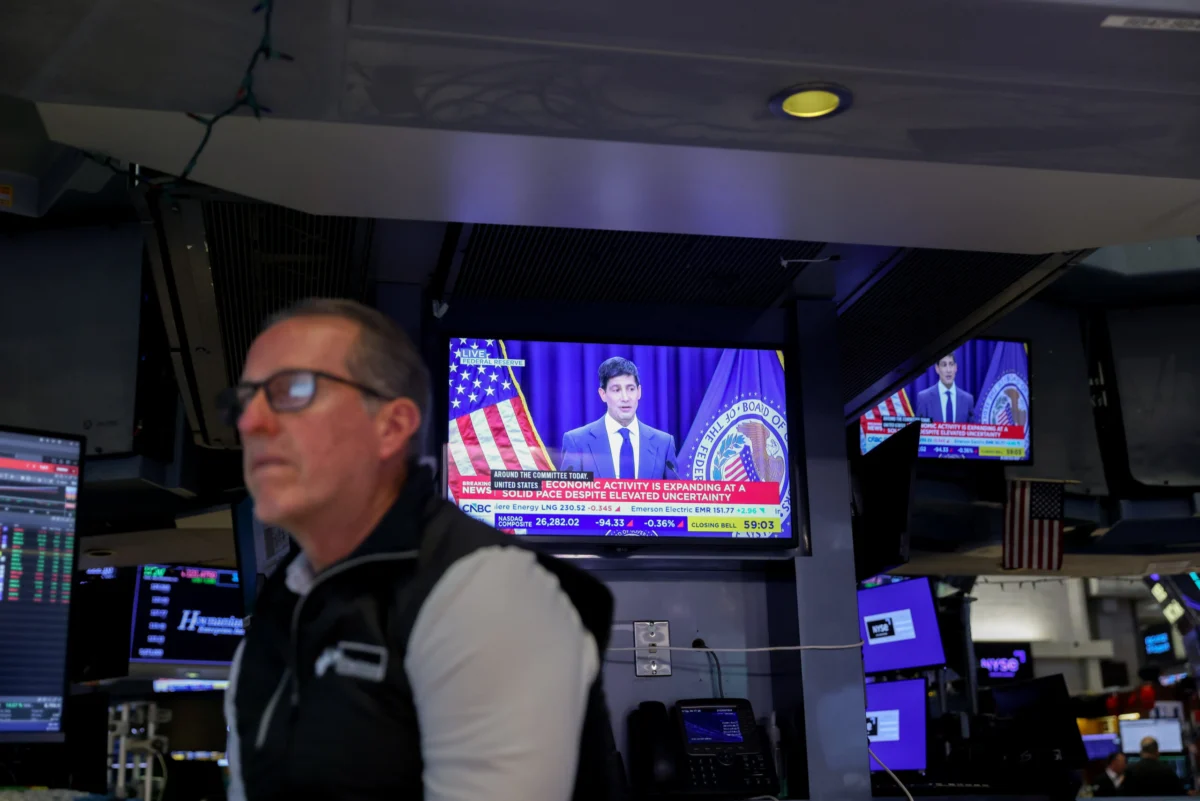
The reaction across Wall Street on Thursday was one of disciplined retreat. Equity markets, which have been sensitive to the interplay between Treasury yields and tech valuations, suffered significant losses. The Dow Jones Industrial Average plunged more than 600 points in midday trading, while the tech-heavy Nasdaq Composite shed nearly 3%. The Nasdaq’s sensitivity is rooted in the "discounted cash flow" model; as interest rates rise, the present value of future earnings for high-growth technology companies diminishes. This pressure was compounded by a disappointing earnings report from Alphabet, which served as a reminder that even the titans of the digital economy are not immune to a shifting macroeconomic environment.
Treasury yields have acted as the most reliable barometer for this shift in sentiment. The 2-year U.S. Treasury yield, which is particularly sensitive to changes in Fed policy, rose by more than 6 basis points on Thursday. This upward movement reflects the market’s realization that the "terminal rate"—the peak level of interest rates for this cycle—may be higher than previously estimated. Investment strategists suggest that the 2-year yield is effectively providing a "readthrough" of the Fed’s next moves, signaling that the window for a pivot has likely been pushed further into the future.
The current "perfect storm" of headwinds—comprising surging oil, rising yields, and a tight labor market—has led many analysts to advocate for a period of defensive positioning. Larry Tentarelli, chief technical strategist at the Blue Chip Daily Trend Report, suggested that with a Fed meeting looming in less than a week, investors may find value in patience rather than active buying. The uncertainty surrounding the FOMC’s interpretation of the recent data suggests that market volatility is likely to persist until a clearer policy signal is sent.
On a global scale, the resurgence of oil prices and the prospect of higher U.S. rates have profound implications for international trade and currency markets. A hawkish Federal Reserve typically bolsters the U.S. Dollar, which in turn puts pressure on emerging market economies that hold significant amounts of dollar-denominated debt. Furthermore, as the world’s largest economy continues to face inflationary pressures, other central banks, such as the European Central Bank (ECB) and the Bank of England, may find themselves forced to maintain their own restrictive policies to prevent currency depreciation and "imported" inflation from higher energy costs.
Despite the immediate panic, some long-term forecasts remain relatively tempered. Consensus estimates compiled by FactSet suggest that while the odds of a 2026 hike have surged, many economists still believe the Fed will maintain a hold for the remainder of the calendar year, provided energy prices stabilize. Looking further ahead to 2027, the prevailing expectation among institutional analysts is for a gradual easing of monetary policy, with potential cuts of a half-percentage point as the lagged effects of previous hikes finally cool the broader economy.
However, the path to 2027 is fraught with variables. The geopolitical situation in the Middle East remains the ultimate "wild card." If the conflict between the U.S. and Iran escalates to a point where the Strait of Hormuz is compromised, oil prices could conceivably reach levels that would make a recession almost inevitable. In such a scenario, the Federal Reserve would face the ultimate policy dilemma: whether to hike rates to combat energy-led inflation or cut rates to support an economy reeling from a supply shock.
For now, the focus remains on the immediate data. Every uptick in the price of gasoline and every record-low jobless claim serves to reinforce the hawkish narrative. The "soft landing" that the Federal Reserve has been aiming for—a scenario where inflation returns to the 2% target without a significant spike in unemployment—is still technically on the table, but the margin for error has narrowed significantly. As the September meeting approaches, the financial world will be watching not just the Fed’s official statement, but the trajectory of crude oil tankers and the weekly unemployment queues, both of which now hold the keys to the next chapter of the global economic story. The era of cheap money is firmly in the rearview mirror, and the markets are finally waking up to the reality that the road ahead may be significantly steeper than anticipated.