The intersection of high-stakes sports ownership, insurance-linked investment vehicles, and the volatile used-car market has created a perfect storm for Carvana Co., as shares of the e-commerce giant faced significant downward pressure this week. The catalyst for the sell-off is a widening federal investigation into the financial dealings of billionaire Mark Walter, the Chief Executive Officer of Guggenheim Partners and a prominent minority stakeholder in the Tempe-based retailer. As federal prosecutors and the Securities and Exchange Commission (SEC) intensify their look into Walter’s sprawling business empire, investors are increasingly concerned that the fallout could trigger a liquidity event or a forced divestment of his significant holdings in Carvana.
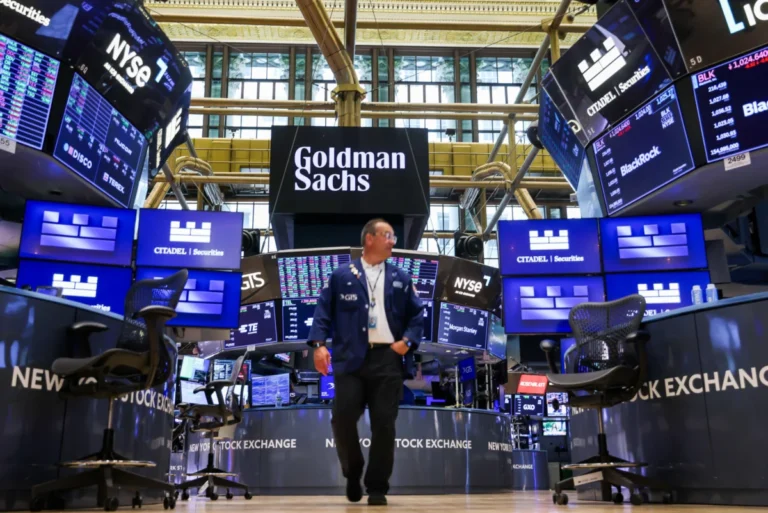
Market data reveals that Carvana’s stock trajectory took a sharp turn for the worse early in the week, recording a cumulative loss of approximately 7% over the first few trading sessions. The volatility was punctuated by a 7% drop on Tuesday, following a similar decline on Monday, though the stock attempted a modest 8% recovery during Wednesday’s session. This "dead cat bounce" or stabilization effort has done little to soothe the nerves of institutional investors who fear that the "Walter overhang" could persist for months as the legal process unfolds.
The core of the investigation, as first detailed in reports by the Wall Street Journal, involves allegations that Walter and his associates may have concealed complex financial relationships while routing more than $20 billion through insurance companies under his control. In the world of high finance, insurance companies are often used as "permanent capital" vehicles, providing a steady stream of premiums that can be invested in various assets. However, federal authorities are reportedly examining whether these investments were transparently disclosed and whether the capital was used in a manner that benefited insiders at the expense of policyholders or regulatory clarity.
For Carvana, the connection to Walter is far from tangential. Through CVAN Holdings LLC, Walter indirectly controls roughly 8% of the company’s Class B common stock. While he is not a majority owner, an 8% stake in a company with Carvana’s market capitalization represents a significant block of shares that, if liquidated suddenly, could overwhelm daily trading volumes and suppress the share price. The specter of a "forced seller"—a scenario where an investor must liquidate assets to cover legal costs, settle regulatory fines, or satisfy margin calls—is a classic risk factor in equity markets, and it appears to be the primary driver of the current jitters.
Further complicating the narrative is the disclosure of a previously overlooked relationship between Carvana and a private consumer products entity in which Walter holds a "substantial ownership interest." According to Carvana’s March proxy statement, this entity issued a warrant to Carvana in June 2025, allowing the retailer to purchase shares of the consumer company’s common stock. While the warrant was valued at a relatively modest $1.5 million at the end of 2025, the performance-based vesting schedule, which stretches through 2029, suggests a long-term strategic alignment that is now being viewed through a more skeptical lens. Market analysts note that such "under the radar" arrangements often escape scrutiny during bull markets but become lightning rods for criticism when a major stakeholder enters the crosshairs of federal regulators.
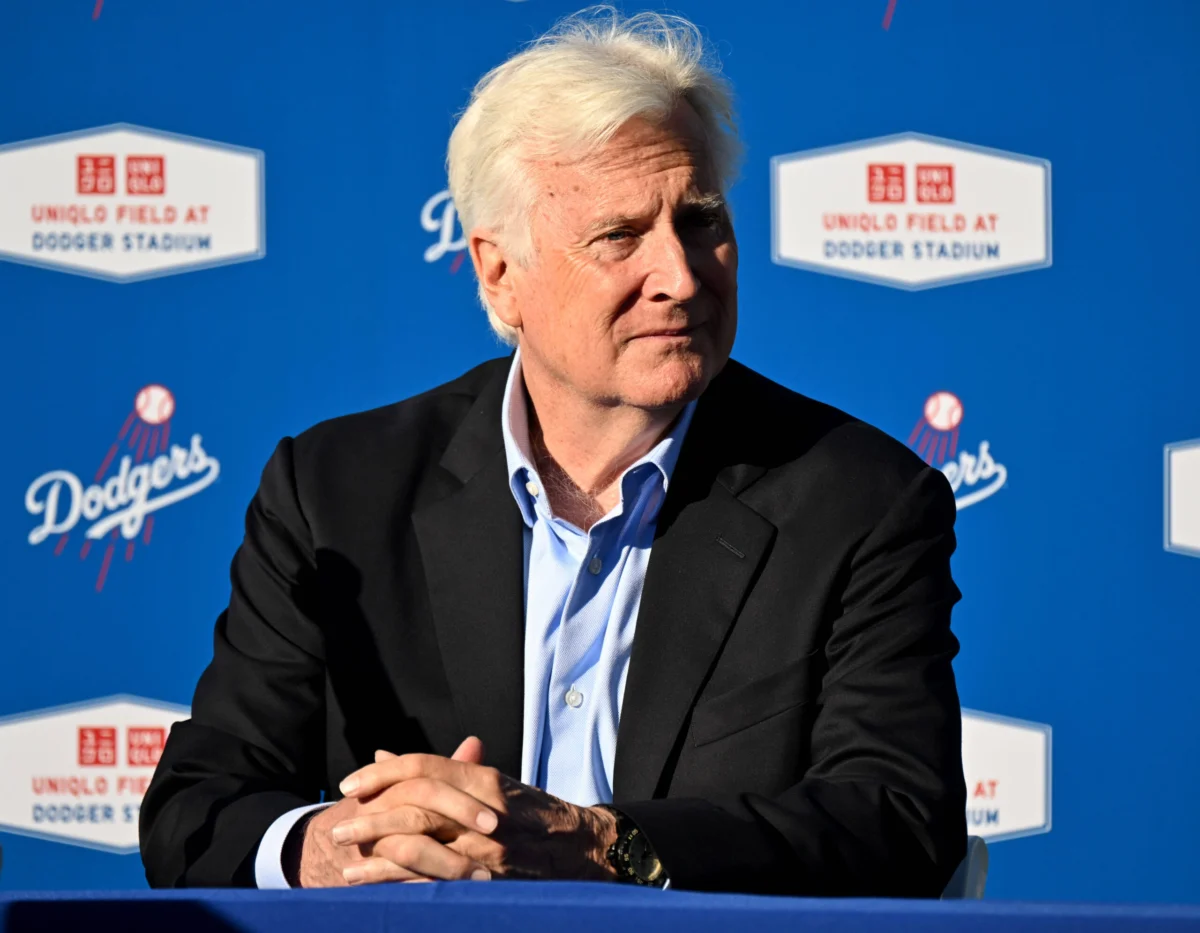
The timing of this investigation is particularly sensitive for Walter, who has been a titan in the sports world as the chairman of the Los Angeles Dodgers and a controlling owner of the Los Angeles Lakers. In a move that many industry observers interpret as a strategic consolidation of capital, Walter has recently agreed to sell his stake in the Lakers for a staggering $12.5 billion. While the sale of a premier NBA franchise is a complex transaction that can take months to finalize, the sheer scale of the deal highlights the liquidity Walter is attempting to generate amidst the federal probe.
Within the internal corridors of Carvana, the external pressure has been compounded by insider activity. Regulatory filings indicate that at least one director capitalized on the stock’s previous strength by offloading 30,000 shares at a price point near $74. The transaction, which generated roughly $2.1 million, involved the exercise of stock options that were not set to expire until 2027. While insider sales are often planned well in advance and do not always signal a lack of confidence, the optics of a director selling shares while a major backer is under federal investigation have added to the bearish sentiment surrounding the stock.
To understand the gravity of the current situation, one must look at Carvana’s broader economic context. The company has spent much of the last two years attempting to engineer a turnaround following a near-collapse in 2022. During the post-pandemic era, as interest rates surged and used-car prices began to stabilize from their record highs, Carvana’s debt-heavy balance sheet became a liability. The company narrowly avoided bankruptcy through a debt restructuring deal in 2023, which was lauded by some as a masterstroke of financial engineering and criticized by others as merely kicking the can down the road.
The current federal probe into Walter threatens to disrupt this fragile recovery. In the used-car retail sector, consumer confidence and access to credit are paramount. Carvana operates in a capital-intensive industry where it must maintain a massive inventory of vehicles while managing the complexities of logistics and title transfers across multiple state jurisdictions. Any perceived instability at the board or ownership level can affect the company’s ability to secure favorable financing terms for its floorplan debt—the credit lines used to purchase its inventory.
Furthermore, the broader economic landscape for automotive retailers is shifting. The "Great Car Shortage" of 2021 and 2022 has ended, and inventory levels across the United States are returning to historical norms. This has put downward pressure on margins. While Carvana has made strides in improving its "GPU" (Gross Profit per Unit), it remains highly sensitive to macroeconomic headwinds. If the Mark Walter investigation leads to a broader "contagion" where other institutional investors decide to trim their exposure to companies associated with Guggenheim Partners, Carvana could find itself isolated in a competitive market.
Expert commentary suggests that the market may be overreacting in the short term, but the long-term implications of regulatory "discovery" are unpredictable. History has shown that SEC investigations into the movement of billions of dollars through insurance subsidiaries rarely conclude quickly. They often involve deep dives into accounting practices, internal emails, and the "true" nature of third-party transactions. For Carvana, which has already faced its share of regulatory hurdles—including temporary license suspensions in states like Illinois and Michigan over title-processing delays—additional scrutiny is the last thing the executive team wants.
As the week closes, the focus remains on whether the $12.5 billion Lakers sale will provide enough of a capital cushion to insulate Walter’s other holdings, or if the federal probe will expand to include the entities directly tied to his Carvana stake. For now, the "Carvana story" has shifted from a narrative of operational efficiency and market-share growth to one of legal risk and institutional stability. Investors are left to ponder a difficult question: Is the current dip a buying opportunity for a resilient e-commerce disruptor, or is it the first crack in a much larger financial dam?
The resilience of Carvana’s stock in the face of previous short-seller attacks and debt crises suggests the company has a loyal, if weary, investor base. However, the involvement of federal prosecutors and the SEC introduces a level of systemic risk that is difficult to quantify. As the investigation into the Walter empire continues, the used-car giant will likely remain a proxy for the broader anxieties regarding transparency and the interconnectedness of modern global finance. For the time being, the "vending machine" for cars is operating under a cloud of uncertainty that no amount of quarterly profit improvement can entirely dissipate.