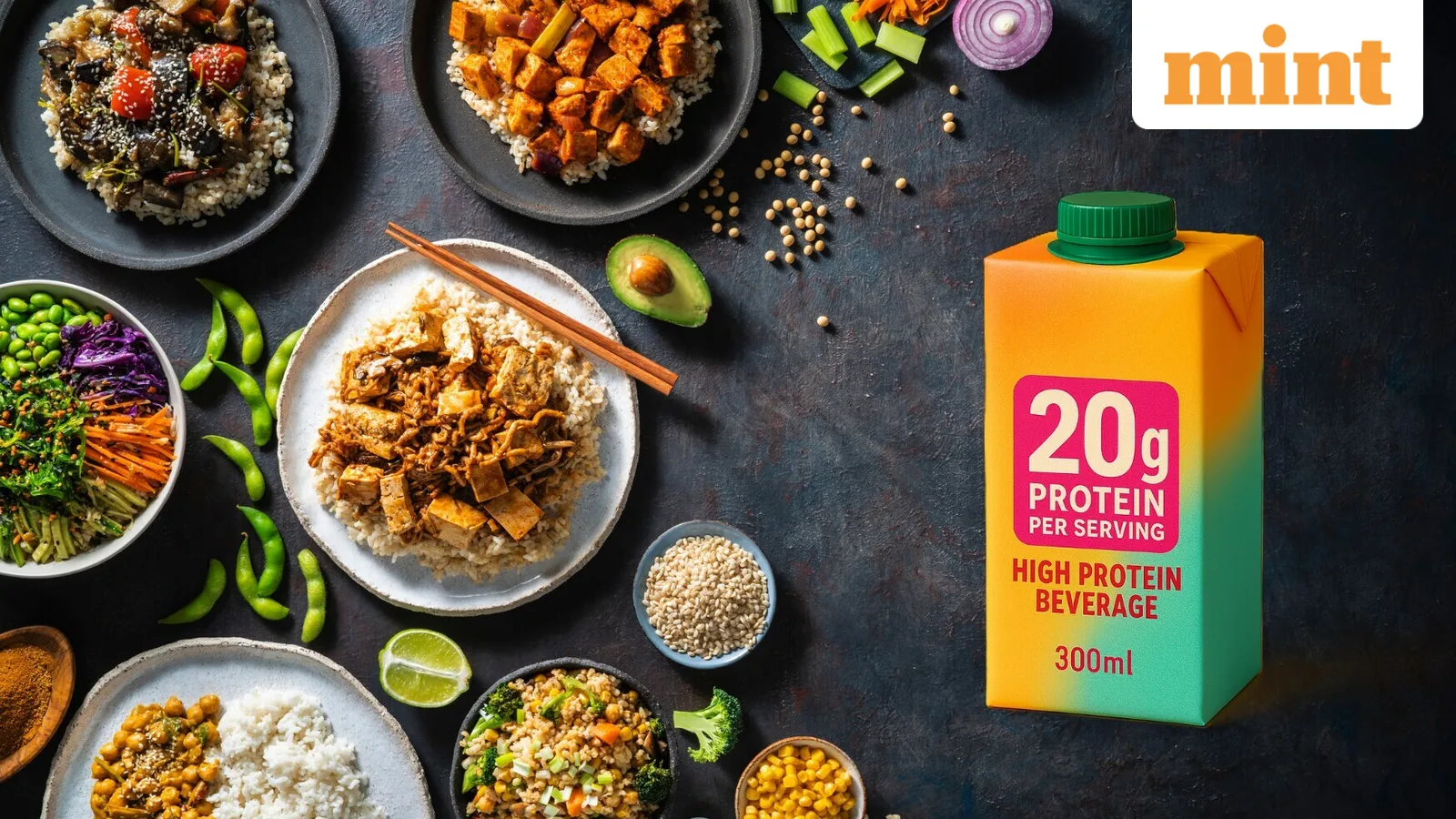
The global food industry is undergoing a profound transformation, driven by an escalating consumer focus on health and wellness, with protein emerging as a pivotal nutritional component. What began as a niche market dominated by supplements and specialized health foods has rapidly evolved into a mainstream phenomenon, as major food and beverage (F&B) and fast-moving consumer goods (FMCG) corporations strategically integrate protein into an astonishing array of everyday items, from traditional staples to indulgent treats. This shift is not merely a trend but a structural realignment of dietary preferences, responding to both perceived and actual nutritional deficiencies across diverse populations.
The impetus behind this protein surge is multifaceted. Globally, concerns about lifestyle diseases, coupled with a growing understanding of balanced nutrition, have prompted consumers to scrutinize their diets more closely. In populous emerging economies like India, for instance, data from organizations such as the Indian Market Research Bureau (IMRB) reveals that a significant 73% of diets are protein-deficient. This widespread nutritional gap, compounded by a historically carbohydrate-heavy dietary pattern and rising disposable incomes in urban centers, presents a colossal market opportunity for functional foods – everyday products fortified with added health benefits. Industry analysts project the global functional food market, valued at an estimated $280 billion in 2023, to exceed $500 billion by 2030, with protein-fortified products constituting a substantial and rapidly expanding segment of this growth.
Initially, the protein-focused food market was primarily fueled by whey protein supplements and a limited range of fortified packaged goods targeting fitness enthusiasts. However, the current phase signifies a broader, more ambitious strategy by established industry players to democratize protein consumption. Companies are no longer content with catering to a select demographic; their aim is to embed protein seamlessly into the daily routines of the average consumer, thereby driving higher purchase frequency and deeper market penetration. This strategic pivot is evident in the innovative product development across the sector. For instance, Bengaluru-based iD Fresh Food, a prominent packaged foods brand, expanded its popular protein idli-dosa batter line to include protein-enriched chapati and parotta, recognizing the immense potential in fortifying traditional staples. Similarly, consumer giant Hindustan Unilever has quietly introduced bottled protein drinks via its direct-to-consumer online channels, signaling a direct engagement with health-conscious consumers.
The innovation extends significantly into the beverage sector and quick-service restaurants (QSRs), reflecting changing eating patterns characterized by fewer heavy meals and an increased reliance on mindful snacking and convenient consumption. Mitali Maheshwari, head of product and marketing at Tata Starbucks, observed a burgeoning interest in protein across both food and beverages, aligning with these evolving habits. In a notable strategic move in January 2026, India became the inaugural market outside North America where Starbucks launched its protein cold foams, and remarkably, the first globally to offer them as a non-dairy option, catering to a wider spectrum of dietary preferences. This trend has quickly gained traction, with other coffee chains like Canada’s Tim Hortons and India’s abcoffee also integrating protein into their menus. Abhijeet Anand, founder of abcoffee, segments his customer base into "fitness-focused consumers, protein-deficient consumers, and those who want something indulgent but still healthier." Interestingly, demand for "healthier indulgence" often surpasses that from purely protein-deficient segments, underscoring the enduring power of taste in driving repeat purchases, even for functional foods.

Quick-service restaurants, traditionally associated with indulgent fare, are also adapting to this protein imperative. KFC, for example, introduced a Chatpata Chana burger, offering a plant-based, protein-rich alternative. McDonald’s has gone a step further by allowing customers to add a "protein patty" – a unique blend of soya, pea, and whey developed in collaboration with India’s Central Food Technological Research Institute (CFTRI) – to their meals, specifically targeting vegetarian consumers seeking a protein boost. Even food delivery platforms are capitalizing on the trend; Zomato, a leading online food aggregator, previously ran a "Healthy High-Five Challenge," incentivizing users with a complimentary fifth meal after four orders containing over 20 grams of protein. Such initiatives highlight the industry’s collective effort to integrate protein into the mainstream dining experience.
This heightened demand for protein-enriched products has significant ramifications for the agricultural and food processing supply chains. Both dairy-based whey protein and various plant-based proteins are experiencing robust growth. Dairy cooperatives are rapidly scaling up production capacities; for instance, Amul, a major Indian dairy brand, announced plans in April 2025 to quintuple its protein-focused production to meet burgeoning demand. Similarly, Milky Mist, in its IPO filings, disclosed a substantial increase in its whey powder capacity from 36 to 104 tonnes per day in FY25. Concurrently, new-age dairy brands are intensifying their focus on protein differentiation. Bengaluru-based Akshayakalpa Organic launched a high-protein milk in November 2025, offering 25 grams of protein per 250 ml, positioning it as a direct alternative to whey supplements. Founder Sashi Kumar articulated the company’s strategy to leverage protein-fortified staples like milk, curd, and paneer as primary growth drivers, signifying a fundamental shift in product development across the dairy sector.
Despite the compelling health pitch, industry experts emphasize that core consumer purchasing decisions are still primarily driven by taste and price. Nikunj Biyani, co-founder of protein-first snacking brand Superyou, notes that while protein has undeniably become a "symbol of something that’s better for you" and thus a significant secondary reason for purchase, it rarely supersedes the fundamental appeal of flavor and affordability. This balancing act is particularly critical in the QSR segment, where indulgence often remains a primary draw. However, as Anand Ramanathan, partner and consumer industry leader for South Asia at Deloitte, points out, offering even a single healthier, protein-rich option can expand the market by making QSRs appealing to a broader group, including families with varying dietary preferences, rather than simply displacing existing favorites. The challenge for food innovators lies in crafting protein-enriched products that deliver both nutritional benefits and an uncompromising sensory experience.
The economic and societal implications of this protein revolution are far-reaching. It stimulates investment in food science and technology, fosters innovation in product development, and creates new employment opportunities across the value chain, from specialized ingredient suppliers to advanced food manufacturing. Furthermore, widespread protein fortification has the potential to address critical public health challenges, particularly in regions grappling with malnutrition and micronutrient deficiencies. However, challenges persist, including ensuring the affordability of protein-rich options for all income segments, maintaining consistent taste profiles across diverse product categories, and educating consumers about the nuanced benefits of different protein sources. As global populations continue to age and health awareness permeates deeper into consumer consciousness, the strategic integration of protein into everyday diets is poised to remain a dominant theme, transforming how we eat, what we eat, and how the global food industry operates for decades to come.