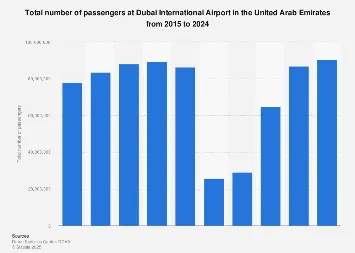
Dubai International Airport (DXB) has officially surpassed its pre-pandemic passenger traffic levels, signaling a robust recovery and continued growth for the United Arab Emirates’ aviation sector. In 2024, the gateway to the emirate processed an estimated figure exceeding an undisclosed number of millions of travelers, underscoring its vital role as a global aviation nexus. While the worldwide travel landscape was profoundly disrupted by the COVID-19 pandemic, leading to a significant contraction in passenger numbers, DXB has demonstrated remarkable resilience, not only recovering lost ground but also setting new benchmarks for air travel connectivity.
The UAE’s strategic geographical positioning, bridging Europe, Africa, and Asia, has long been a cornerstone of its ambition to become a preeminent global transit hub. This advantage is most palpably embodied by Dubai International Airport, which in 2023 held the distinction of being the world’s busiest airport by international passenger traffic. DXB serves as the operational heart for Emirates Airlines, the owner of the largest Airbus A380 fleet globally, and Flydubai, a prominent low-cost carrier. The synergy between these two airlines, catering to different market segments, enhances DXB’s comprehensive route network and appeal to a diverse range of travelers.
Beyond its current operational capacity, Dubai is actively investing in the future of air travel through a colossal expansion project at its second airport, Dubai World Central (DWC). This ambitious undertaking involves a multi-billion dollar investment aimed at transforming DWC into the world’s largest airport. Upon completion, DWC is slated to accommodate an estimated passenger capacity of hundreds of millions annually, representing a staggering increase – potentially nearly a dozen times the current capacity of DXB. This strategic foresight includes a long-term vision for the eventual transfer of DXB’s operations to DWC, creating an unparalleled air travel ecosystem designed to meet projected demand for decades to come. This transition will not only alleviate pressure on existing infrastructure but also unlock new possibilities for cargo, logistics, and specialized aviation services.
The aviation sector’s resurgence is inextricably linked to the UAE’s unwavering commitment to tourism as a primary economic driver. Tourism consistently contributes billions of dollars to the nation’s Gross Domestic Product (GDP) each year, fostering job creation and stimulating ancillary industries. In 2023, the UAE distinguished itself by leading the Middle East and North Africa (MENA) region in international tourism receipts, a testament to its successful diversification strategies and appeal as a premier travel destination. Dubai and Abu Dhabi, in particular, remain magnets for international visitors, drawing significant numbers of tourists who contribute to the robust growth of the luxury hospitality sector, as well as a burgeoning ecosystem of retail, entertainment, and cultural attractions.
To further bolster its tourism ambitions and enhance the visitor experience, the UAE has been actively introducing innovative initiatives. The launch of the Abu Dhabi Pass, a collaborative effort between Etihad Airways and Abu Dhabi’s Department of Culture and Tourism, exemplifies this forward-thinking approach. This integrated pass offers tourists a seamless entry into the emirate, providing a complimentary eSIM for connectivity, access to public transportation, and complimentary entry to a range of attractions. The digital platform also facilitates access to additional services, streamlining the visitor journey and encouraging deeper engagement with the emirate’s offerings. Such initiatives are crucial in maintaining the UAE’s competitive edge in the global tourism market, which is characterized by increasing competition and evolving traveler expectations.
As the tourism sector continues its upward trajectory, so too does the demand for a skilled and adaptable workforce. The expansion of airports, the development of new hospitality ventures, and the growth of related service industries are creating significant employment opportunities. The UAE is actively investing in human capital development, focusing on training and upskilling its workforce to meet the evolving needs of the travel and tourism industry. This includes fostering talent in areas such as customer service, hospitality management, aviation operations, and digital marketing, ensuring that the nation’s economic growth is supported by a capable and well-prepared labor pool. The anticipated increase in demand for a skilled workforce is a positive indicator of sustained economic expansion and a commitment to building a diversified and robust economy.
The performance of DXB in 2024, exceeding pre-pandemic figures, is a powerful indicator of the global travel market’s recovery and the UAE’s strategic acumen in positioning itself at the forefront of this resurgence. The ongoing investments in infrastructure, coupled with a strong focus on enhancing the tourism experience, suggest a promising outlook for Dubai and the wider UAE as a preeminent global hub for both air travel and tourism in the years ahead. The capacity to absorb and manage increasing passenger volumes, while simultaneously developing next-generation aviation facilities, underscores the nation’s long-term vision and its ability to execute ambitious development plans. This sustained growth is likely to attract further foreign investment, stimulate innovation, and solidify the UAE’s position as a critical node in the global economic network.