The recent escalation of geopolitical tensions in West Asia has thrust India’s energy security infrastructure into an unprecedented spotlight, exposing critical vulnerabilities in its strategic petroleum reserves (SPRs) and overall energy contingency planning. As a nation heavily reliant on imported hydrocarbons, India finds itself at the mercy of global supply disruptions and price volatility, prompting an urgent re-evaluation of its preparedness. While official assurances suggest a robust buffer, a closer examination of the country’s reserve capacity reveals a more complex and potentially precarious situation, fueling a national debate on the adequacy of its energy lifeline.
At the heart of this discussion lies the apparent dichotomy between two widely cited figures: a mere "six days" versus a more reassuring "74 days" of petroleum cover. The shorter duration pertains specifically to India’s dedicated Strategic Petroleum Reserves, maintained in underground caverns designed for national emergencies. These facilities, located in Visakhapatnam, Mangaluru, and Padur, collectively possess a storage capacity of 5.33 million tonnes (MT). However, current operational levels hover around 64% of this capacity, translating to approximately 3.37 MT of crude oil. Given India’s average daily petroleum product consumption of roughly 0.6 MT over the past five years, this stock covers an estimated 5.6 days of demand, frequently rounded to six days. This limited strategic buffer, intended as a last resort against severe supply shocks, starkly underscores a significant gap in the nation’s emergency preparedness.
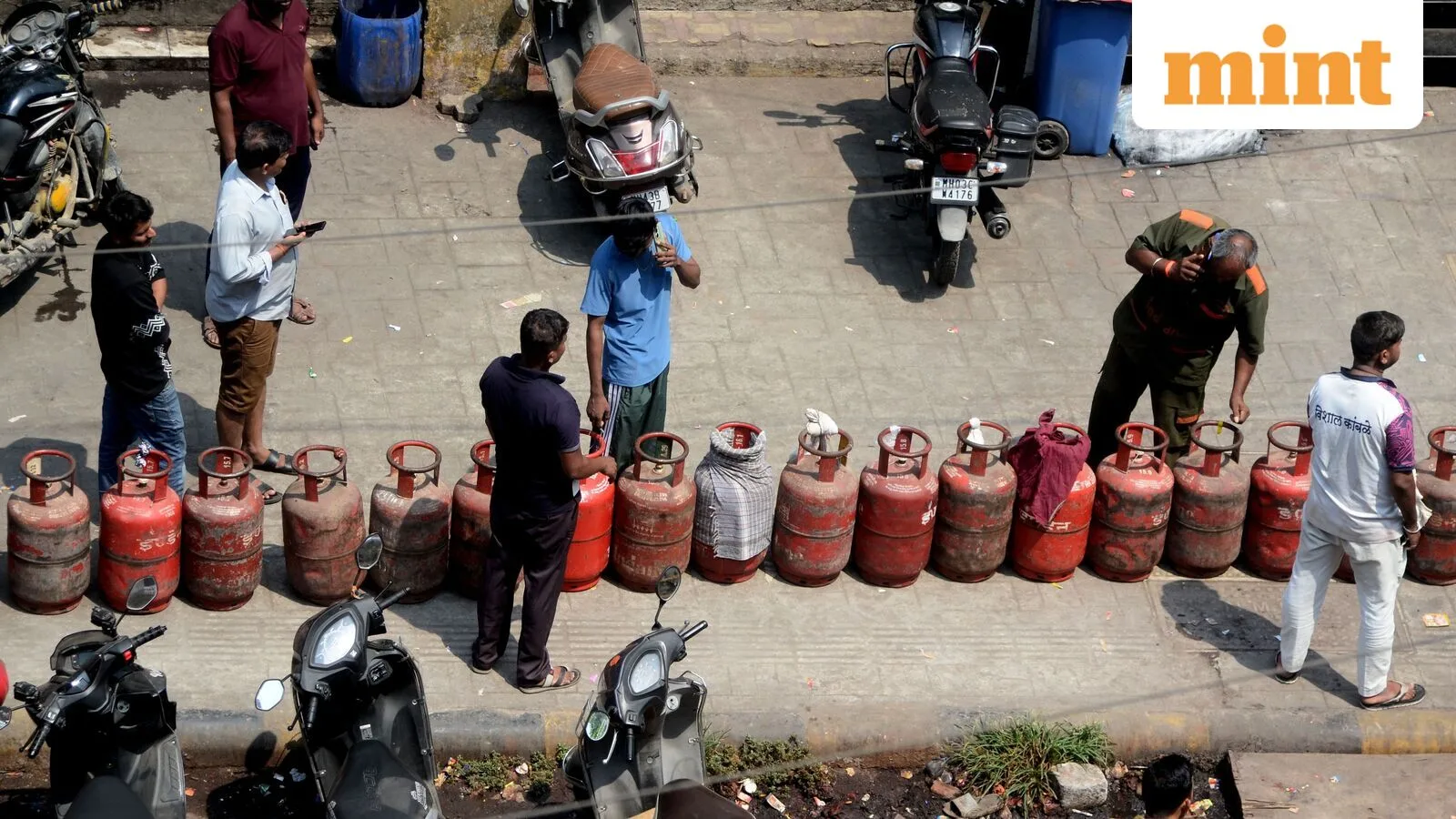
The longer figure of "74 days" paints a broader, albeit still nuanced, picture. This estimate encompasses not only the strategic reserves but also the operational crude oil and petroleum product stocks held by India’s Oil Marketing Companies (OMCs) across various depots and refineries. These OMC-held inventories, while substantial, are primarily commercial stocks designed to ensure smooth daily distribution and refinery operations, not to withstand prolonged national supply disruptions. They fluctuate based on market demand, refinery schedules, and import logistics. Furthermore, even these combined reserves are not consistently at full capacity; current operational realities mean the actual cover often hovers closer to 60 days. The reliance on OMC stocks for what might be considered strategic cover blurs the lines between commercial exigency and national security, potentially diverting essential operational inventories during a crisis and disrupting domestic supply chains, as evidenced by sporadic reports of queues for liquefied petroleum gas (LPG) amidst recent global tremors.
India’s formidable import dependence on fossil fuels exacerbates these vulnerabilities. The nation sources approximately 85-88% of its crude oil and 48-50% of its liquefied natural gas (LNG) from international markets. This makes its economy acutely sensitive to global energy price fluctuations and geopolitical instability. A sudden spike in crude oil prices, often triggered by events in major producing regions like West Asia, can swiftly inflate India’s import bill, widen its current account deficit, and exert inflationary pressure across various sectors, from transportation to manufacturing. The fiscal implications are substantial, with government subsidies on fuels and potential revenue losses from reduced economic activity placing additional strain on public finances. Analysts frequently highlight how a sustained $10 increase in Brent crude prices can add billions of dollars to India’s annual import costs, severely impacting macroeconomic stability and consumer purchasing power.

Despite the evident strategic imperative, budgetary allocations and actual spending on expanding and maintaining India’s strategic petroleum reserves have been conspicuously underwhelming. Analysis of financial data from FY20 to FY26 reveals a consistent pattern of underspending. In several fiscal years, actual expenditures on SPRs amounted to only a fraction of the allocated budget. For instance, in FY24 and the current FY26, actual spending was a mere 2.7% and 17.7%, respectively, of the budget estimates. The allocation for FY27, at ₹200 crore, represents the lowest in at least seven years. This fiscal neglect has had tangible consequences, primarily manifesting in the prolonged delays of crucial expansion projects.
In July 2021, the government greenlit two additional commercial-cum-strategic petroleum reserve facilities: a 4 MT capacity site at Chandikhol in Odisha and a 2.5 MT expansion at Padur in Karnataka, both slated to operate under a public-private partnership (PPP) model. More than five years later, these vital projects remain in their nascent stages. The Indian Strategic Petroleum Reserves Ltd (ISPRL) is now reportedly preparing to float a global tender by the end of April to expedite the Chandikhol facility and fast-track the Padur expansion, a renewed urgency undoubtedly spurred by recent geopolitical events. Even if these projects materialize, they are projected to add merely another 11-12 days of demand cover, a step forward, but still insufficient to bridge the substantial gap compared to global benchmarks. The challenges for these projects extend beyond financing, encompassing complex land acquisition, environmental clearances, and the inherent geological complexities of constructing large underground caverns.
India’s current reserve capacity pales in comparison to other major energy-importing nations. Japan, for instance, with over 90% energy import dependence, maintains reserves capable of covering approximately 254 days of consumption. China, another economic powerhouse with substantial import needs, has stockpiles estimated to cover between 110-140 days of its imports. The International Energy Agency (IEA), a leading global energy watchdog, recommends that its member countries hold strategic oil reserves equivalent to at least 90 days of net oil imports. While India is not an IEA member, its growing economic stature and immense energy demand necessitate adherence to, or even surpassing, such benchmarks for robust national security. The stark disparity highlights a significant vulnerability that could severely impede India’s economic growth and geopolitical influence during protracted global energy crises.
The path forward for India’s energy security is multi-faceted, requiring a robust and sustained commitment to strategic planning and investment. Strengthening the existing SPR network and rapidly completing planned expansions must be a top priority, supported by consistent budgetary allocations and streamlined project execution. Beyond physical reserves, diversifying crude oil import sources away from a concentrated reliance on a few volatile regions is crucial. This involves fostering stronger energy diplomacy with producers in Africa, North America, and other stable regions. Simultaneously, enhancing domestic oil and gas exploration and production (E&P) through attractive policy frameworks can reduce reliance on imports over the long term, though its impact will be gradual.
Moreover, accelerating the transition to a greener energy matrix is indispensable. Investments in renewable energy sources like solar and wind power, coupled with advancements in energy storage technologies, can mitigate the overall demand for fossil fuels and insulate the economy from international price shocks. Promoting energy efficiency across industrial, commercial, and residential sectors can also play a vital role in demand-side management. Ultimately, India’s quest for energy security is not merely an economic imperative but a cornerstone of its strategic autonomy and sustainable development in an increasingly unpredictable world. The current geopolitical tremors serve as a powerful reminder that proactive, comprehensive energy planning is not a luxury, but an absolute necessity for the nation’s future stability and prosperity.