

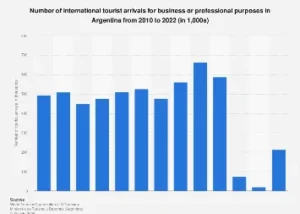
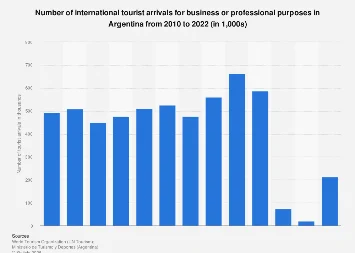
Argentina is witnessing a significant surge in its business tourism sector, a trend poised to inject substantial economic benefits into the nation. This burgeoning segment of the travel industry, encompassing activities like conferences, conventions, incentive travel, and corporate meetings, is increasingly becoming a key driver of revenue and job creation. While specific, real-time granular data on the exact number of inbound business tourists can be dynamic and proprietary, the underlying economic indicators and the country’s strategic initiatives point towards a robust upward trajectory for this vital sector.
The appeal of Argentina as a destination for business travelers is multi-faceted. Its vibrant capital, Buenos Aires, offers world-class infrastructure, including modern convention centers, a wide array of hotels catering to all budgets, and a sophisticated transportation network. Beyond the capital, cities like Córdoba and Mendoza are also emerging as viable hubs for corporate events, leveraging their unique cultural attractions and growing business ecosystems. The country’s rich cultural heritage, renowned gastronomy, and diverse landscapes provide an attractive backdrop for both productive business engagements and memorable incentive programs. This combination of professional facilities and compelling leisure opportunities makes Argentina a highly desirable location for international companies seeking to host events or reward employees.
Globally, business tourism is a substantial economic engine. According to industry reports, business travel spending worldwide is projected to reach hundreds of billions of dollars annually, with a significant portion attributed to meetings, incentives, conferences, and exhibitions (MICE). Argentina’s efforts to capture a larger share of this global market are evident in its strategic focus on developing its MICE infrastructure and actively promoting the country as a premier business event destination. Government agencies and private sector organizations are collaborating to streamline processes for event organizers, enhance destination marketing, and ensure a high standard of service delivery.
The economic impact of inbound business tourists extends far beyond the immediate spending on flights and accommodation. These visitors contribute to various sectors of the economy, including local transportation, food and beverage establishments, retail, and entertainment. Furthermore, the hosting of international conferences and trade shows can foster innovation, facilitate knowledge transfer, and attract foreign direct investment. Business tourists often extend their stays to explore the country’s leisure attractions, further boosting the tourism economy and creating a multiplier effect across multiple industries.
Statistics from various tourism bodies and economic research firms, while not always publicly accessible in raw form, consistently highlight the value generated by business travelers. These figures typically encompass direct expenditures by attendees and organizers, as well as indirect economic impacts such as job creation in the hospitality and service sectors, increased demand for local goods and services, and tax revenues generated from business activities. For instance, a successful international conference can inject millions of dollars into the local economy, supporting small and medium-sized enterprises and contributing to the overall economic well-being of the host city and country.
Argentina’s commitment to the business tourism sector is also reflected in its continuous efforts to improve its competitive positioning on the international stage. This includes investing in training and development for professionals in the hospitality and event management industries, ensuring that the country can meet the high expectations of international corporate clients. The development of specialized event venues, the adoption of advanced technological solutions for event organization and execution, and the implementation of sustainable tourism practices are all key components of Argentina’s strategy to attract and retain business tourism.
The economic implications of a thriving business tourism sector are significant for Argentina. It provides a stable source of foreign currency, helps to diversify the national economy away from reliance on commodity exports, and creates high-skilled employment opportunities. Moreover, by showcasing Argentina’s capabilities and potential to international business leaders, it can pave the way for future trade and investment partnerships. The ability to host large-scale international events also enhances Argentina’s global profile and its reputation as a capable and welcoming destination.
In comparison to other South American nations, Argentina has been actively working to position itself as a leading MICE destination. Countries like Brazil and Colombia also have robust business tourism sectors, but Argentina’s unique blend of cultural richness, sophisticated urban centers, and growing infrastructure offers a distinct advantage. Strategic partnerships with international event organizers and a proactive approach to destination marketing are crucial for maintaining and expanding its competitive edge. The country’s ability to offer diverse experiences, from the bustling metropolis of Buenos Aires to the wine regions of Mendoza, provides a unique selling proposition that resonates with international clients.
The long-term economic sustainability of Argentina’s business tourism sector hinges on continued investment in infrastructure, consistent policy support, and a commitment to service excellence. Furthermore, fostering a collaborative ecosystem involving government, tourism boards, convention centers, hotels, airlines, and local businesses is essential for creating a seamless and positive experience for inbound business travelers. As the global economy continues to recover and international business interactions regain momentum, Argentina is well-positioned to capitalize on the growing demand for business travel and cement its status as a premier destination for corporate events and business tourism. The sector’s growth is not merely about numbers; it’s about fostering international connections, driving economic diversification, and enhancing Argentina’s global standing as a hub for commerce and innovation.