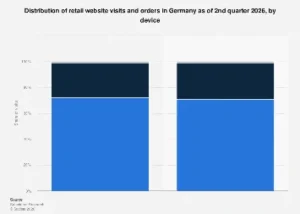


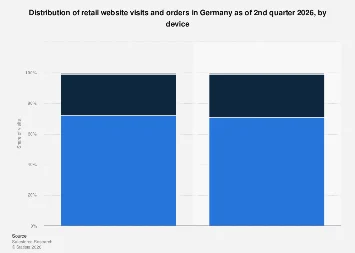
Germany’s retail landscape is undergoing a profound digital transformation, with mobile devices poised to further cement their dominance in online shopping by the second quarter of 2026. Projections indicate that smartphones will not only continue to be the primary gateway for consumers browsing retail websites but will also account for a substantial majority of online transactions. This evolving consumer behavior necessitates a strategic re-evaluation by businesses regarding their digital presence and investment in mobile-first strategies.
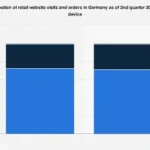
Data forecasts for the period ending June 2026 reveal a clear trend: smartphones are anticipated to capture a significant share of retail website visits, reflecting their ubiquity and convenience in daily life. This surge in mobile traffic underscores the critical importance of a seamless and intuitive mobile user experience. Retailers failing to optimize their sites for smaller screens and touch-based navigation risk alienating a vast segment of their potential customer base. The German consumer, increasingly accustomed to the instant gratification offered by mobile commerce, expects quick loading times, easy navigation, and a streamlined checkout process, all of which are paramount for converting a visit into a sale.
The projected figures for order share further emphasize the ascendance of mobile commerce. By mid-2026, smartphones are expected to be the engine behind a substantial proportion of online purchases made in Germany. This shift from mere browsing to active purchasing on mobile devices signifies a growing consumer confidence in the security and efficiency of mobile payment systems and a willingness to complete transactions on the go. This trend is not isolated to Germany; it mirrors a global phenomenon where mobile devices are rapidly becoming the preferred channel for e-commerce activities across various demographics and income levels. The convenience of shopping from anywhere, at any time, is a powerful driver of this behavioral change.
In stark contrast to the burgeoning mobile sector, desktop computers are projected to see a diminishing, albeit still relevant, role in German online retail. While desktops will continue to generate a notable percentage of retail website traffic, their share of actual purchase completions is expected to be considerably lower than that of smartphones. This suggests that while desktops may still serve as a platform for research, comparison shopping, or for users who prefer a larger screen for more complex browsing, the final decision and transaction are increasingly being made on more portable devices. This bifurcation of user behavior highlights the need for a multi-device strategy, ensuring a consistent brand experience across all platforms.
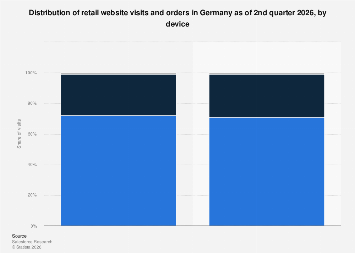
Tablets, while offering a middle ground between smartphones and desktops in terms of screen size and portability, are also anticipated to hold a smaller market share in both website visits and order completions compared to smartphones. Their role might be more niche, perhaps appealing to a specific demographic or for particular types of online shopping that benefit from a slightly larger display than a smartphone but without the full functionality or dedicated workspace of a desktop. However, the rapid innovation in smartphone technology, including larger displays and enhanced processing power, may be contributing to the gradual erosion of the tablet’s unique selling proposition in the e-commerce space.
The economic implications of this mobile-first trend are significant for German businesses. Companies that have historically relied on desktop-optimized websites may need to undertake substantial investments in responsive design, mobile application development, and mobile-specific marketing campaigns. The return on investment for such initiatives is likely to be substantial, given the projected growth in mobile-driven sales. Furthermore, understanding the nuances of mobile consumer behavior, such as the impact of social media integration, push notifications, and location-based services, will be crucial for effective customer engagement and conversion.
Globally, Germany’s e-commerce trajectory aligns with broader European and international trends. Countries across Western Europe are witnessing similar patterns of mobile adoption in online retail, driven by increasing smartphone penetration, improved mobile internet infrastructure, and the widespread availability of secure mobile payment solutions. However, the pace of this transition can vary, influenced by factors such as average internet speeds, consumer demographics, and the regulatory environment surrounding digital commerce. Germany’s position as a major economic powerhouse in Europe means its e-commerce trends often serve as a bellwether for the wider region.
The statistics also point to the critical need for robust cybersecurity measures tailored to mobile platforms. As a greater volume of sensitive personal and financial data is transacted via smartphones, retailers must prioritize the implementation of advanced security protocols to protect consumers and maintain trust. Breaches in mobile security can have devastating consequences, leading to financial losses, reputational damage, and a significant erosion of customer loyalty.
Looking ahead, the insights derived from these mid-2026 projections offer a strategic roadmap for businesses operating within or targeting the German market. The continued rise of mobile commerce is not a temporary fad but a fundamental shift in consumer behavior. Companies that proactively adapt to this reality, by prioritizing mobile optimization, investing in user-friendly mobile experiences, and embracing mobile-centric marketing, will be best positioned to capitalize on the immense opportunities presented by the evolving digital retail landscape in Germany and beyond. The data underscores a clear imperative: to succeed in the modern German e-commerce arena, a strong and compelling mobile presence is no longer optional, but essential.