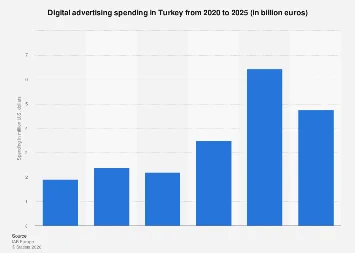
Turkey’s digital advertising sector is projected to experience a notable upward trajectory, with spending anticipated to reach substantial figures by 2025. While specific figures require access to proprietary data, industry analysis and expert projections indicate a robust expansion in online advertising investment. This growth is underpinned by several converging factors, including increasing internet penetration, a burgeoning e-commerce landscape, and evolving consumer behavior that increasingly favors digital channels for information discovery and purchasing decisions.
The Turkish digital advertising market has demonstrated resilience and adaptability, navigating global economic shifts and domestic market dynamics. Projections for 2025 suggest a market that not only recovers from any recent fluctuations but also enters a phase of accelerated development. This expansion is not merely a quantitative increase in spending but also reflects a qualitative shift in how brands and businesses engage with their target audiences. The digital realm has become indispensable, offering unparalleled opportunities for precise targeting, measurable results, and dynamic campaign adjustments, all of which contribute to a more efficient allocation of marketing budgets.
Several key drivers are propelling this digital advertising boom. Firstly, the widespread adoption of smartphones and affordable mobile data plans has democratized internet access across Turkey, bringing a larger segment of the population online. This expanding user base translates directly into a larger audience for digital advertisers. Secondly, the rapid growth of e-commerce platforms, both domestic and international, has created a fertile ground for online advertising. As more consumers embrace online shopping, businesses are compelled to increase their digital marketing efforts to capture market share and drive sales. This includes investments in search engine marketing, social media advertising, display advertising, and programmatic buying.
Furthermore, the increasing sophistication of digital advertising technologies plays a crucial role. Advanced analytics, artificial intelligence (AI), and machine learning are enabling advertisers to gain deeper insights into consumer behavior, personalize ad content, and optimize campaign performance in real-time. This data-driven approach not only enhances the effectiveness of advertising campaigns but also provides a clearer return on investment, making digital channels increasingly attractive compared to traditional media.
Globally, the trend towards digital advertising dominance is undeniable. Major economies are witnessing a significant reallocation of marketing budgets from traditional channels like television, print, and radio towards digital platforms. Turkey’s trajectory aligns with this global paradigm, reflecting a maturation of its digital ecosystem and a growing understanding of the power of online engagement. While specific market sizes and growth rates can vary based on reporting methodologies and data sources, the overarching trend of digital ad spend outperforming other media categories is a consistent theme.
Looking ahead to 2025, the Turkish digital advertising market is expected to benefit from continued innovation in ad formats and platforms. Video advertising, influencer marketing, and interactive ad experiences are likely to gain further traction. The rise of over-the-top (OTT) streaming services also presents new advertising opportunities, as viewers increasingly consume content on digital platforms. Moreover, the growing focus on data privacy and ethical advertising practices will likely shape the future of digital advertising, encouraging transparency and user-centric approaches.
The economic impact of this burgeoning digital advertising sector extends beyond the marketing industry itself. It fuels innovation, creates jobs in digital marketing, content creation, and technology development, and supports the growth of online businesses. A robust digital advertising market can also contribute to greater market competition by lowering the barriers to entry for smaller businesses and startups, allowing them to reach a wider audience more cost-effectively than through traditional advertising channels.
In terms of specific projections, while precise figures for 2025 are often proprietary, the general consensus among market analysts points towards continued double-digit growth in digital ad spending in Turkey. This growth is likely to be driven by a diversification of advertising channels, with significant investments expected in areas such as search, social media, programmatic display, and video. The increasing maturity of the Turkish internet user base, coupled with a growing digital-native generation, will further solidify the importance of digital channels in brand communication strategies.
The Turkish government’s initiatives to promote digital transformation and e-commerce also provide a supportive environment for the growth of the digital advertising market. Policies aimed at fostering innovation, improving digital infrastructure, and encouraging digital literacy contribute to a more dynamic and receptive market for online advertising. As Turkey continues its digital journey, its advertising landscape will undoubtedly mirror this evolution, with digital channels becoming the primary battleground for consumer attention and brand loyalty. The anticipation surrounding the 2025 figures underscores the dynamic and rapidly evolving nature of Turkey’s digital economy, highlighting its potential as a significant player in the global digital advertising arena.