The global race for robotic supremacy has entered a volatile new chapter as Beijing formally threatened countermeasures against Washington following a decisive move by the U.S. Federal Communications Commission (FCC) to restrict the importation of advanced humanoid robots. This latest friction point in the broader Sino-American technological decoupling highlights a growing consensus in Washington that the next frontier of national security lies not just in the chips that power computers, but in the autonomous machines that will soon populate factory floors, hospitals, and homes.
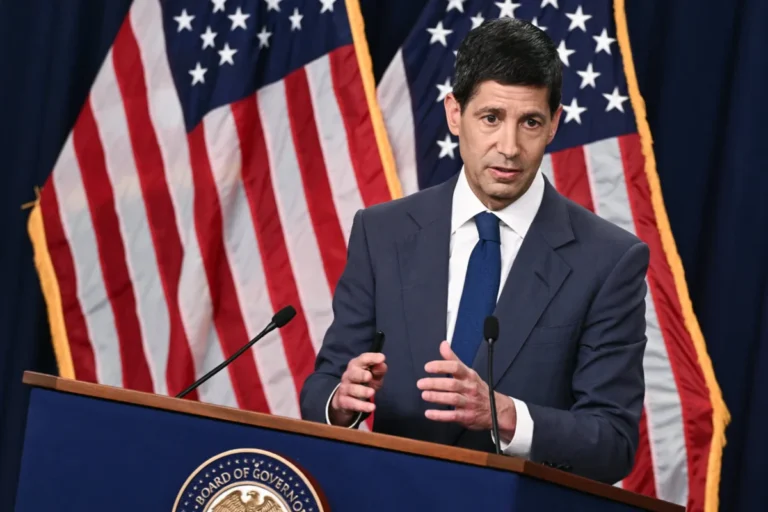
The FCC’s recent inclusion of foreign-produced humanoid robots on its "Covered List"—a registry of telecommunications equipment and services deemed to pose an unacceptable risk to U.S. national security—marks a significant escalation. While the commission’s statement did not explicitly name China, the implications are unmistakable. Under the new directive, advanced robotic devices with sophisticated data-collection capabilities are subject to rigorous import restrictions, citing deep-seated concerns over cybersecurity and the potential for these machines to serve as conduits for state-sponsored surveillance. Although the FCC noted that retailers may continue to distribute models that have already cleared previous regulatory hurdles, the ban on new, more advanced iterations effectively throttles the American market for China’s most ambitious robotics startups.
Beijing’s response was swift and characterized by a tone of strategic indignation. China’s Ministry of Commerce (MOFCOM) issued a statement on Thursday accusing the FCC of repeatedly ignoring China’s calls for a "restrained" approach to trade regulations. According to the ministry, these escalating restrictions "severely damage" the stability of the bilateral economic relationship and disrupt the global supply chains that the robotics industry relies upon. The ministry urged Washington to immediately rescind the decision, warning that it would take "all necessary measures" to protect the rights and interests of Chinese enterprises.
The timing of this diplomatic flare-up is particularly sensitive. It occurs against the backdrop of a scheduled high-stakes summit in September between U.S. President Donald Trump and Chinese President Xi Jinping. Relations have been further strained by recent rhetoric from U.S. Treasury Secretary Scott Bessent, who suggested that the United States could implement sweeping sanctions against Chinese entities over the alleged "theft" of American artificial intelligence models. This atmosphere of mutual suspicion has transformed what was once a collaborative global tech ecosystem into a fractured landscape defined by "fortress" economies.
The humanoid robot sector, while still in its relative infancy regarding mass deployment, is projected to be a multi-trillion-dollar industry over the next decade. Unlike traditional industrial robots, which are stationary and perform repetitive tasks, humanoid robots are designed to navigate human environments and perform a wide variety of functions. This versatility requires an array of sensors, high-definition cameras, and microphones—all powered by advanced AI. It is precisely this suite of "eyes and ears" that has raised alarms in Washington. Lawmakers and security experts fear that if these machines are manufactured by companies under the influence of the Chinese Communist Party, they could be used to harvest sensitive data from American infrastructure or private residences, or even be remotely disabled in a conflict scenario.
For the Chinese robotics industry, the U.S. ban is a major commercial blow. According to recent data from Counterpoint Research, Chinese firms currently dominate the global humanoid landscape. Agibot, Unitree, and UBTech occupied the top three spots for installation market share last year. In contrast, Tesla’s much-hyped "Optimus" robot ranked fifth. Many of these Chinese firms were counting on the U.S. market to justify their lofty valuations as they prepared for public listings. The FCC’s move has already sent shockwaves through the financial markets; shares of Hong Kong-listed UBTech saw a sharp decline following the news, and the impending initial public offerings (IPOs) of Unitree and Agibot now face a much more difficult path to success.
Market analysts suggest that China’s retaliatory toolkit is substantial and could target the very American companies that are leading the Western AI charge. Experts point to two primary levers Beijing can pull: the restriction of rare earth minerals and the tightening of market access for U.S. tech giants. China controls the vast majority of the world’s processing capacity for rare earth elements, which are essential for the high-performance magnets and motors used in robots and electric vehicles. By restricting exports of these materials, Beijing could significantly raise production costs for American firms.
Furthermore, companies like Tesla and NVIDIA remain deeply exposed to the Chinese market. Tesla relies on its Shanghai Gigafactory for a massive portion of its global production and views China as a critical market for its Full Self-Driving (FSD) software and future Optimus deployments. NVIDIA, meanwhile, despite U.S. export controls on its most advanced chips, still derives a significant portion of its revenue from China. If Beijing decides to make life difficult for these companies through regulatory audits, "security reviews," or consumer boycotts, the economic impact on Silicon Valley would be profound.
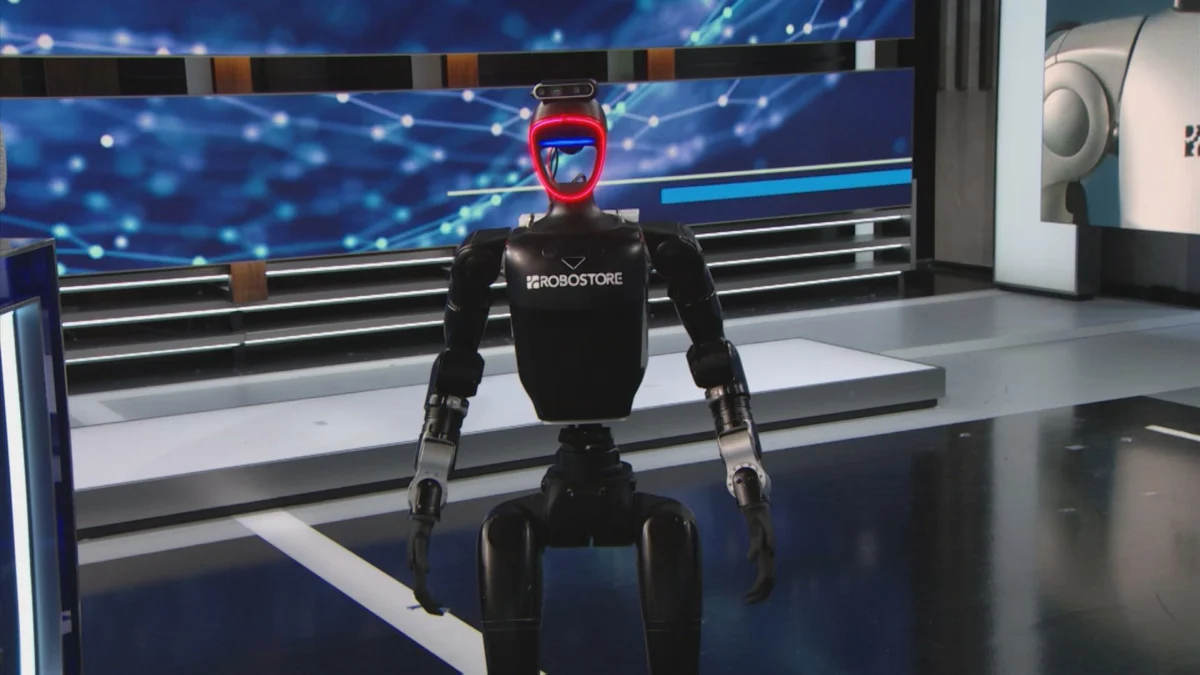
Despite the geopolitical tension, the demand for humanoid labor continues to grow, driven by aging populations and chronic labor shortages in the manufacturing sectors of both the U.S. and China. This economic reality has forced some companies to seek creative workarounds. Robostore, a prominent North American distributor of Chinese-made humanoid robots, has indicated it is expanding its U.S.-based capabilities to mitigate the impact of the ban. While details remain sparse, such moves often involve localizing software development, data storage, and final assembly to satisfy "Made in America" requirements or to ensure that data never leaves U.S. soil.
However, the "localization" of high-tech hardware is a complex and costly endeavor. The humanoid robot is a triumph of integrated global supply chains, requiring precision actuators from Japan, high-end chips from the U.S., and cost-efficient manufacturing from China. By severing these links, the FCC’s ban may inadvertently slow the pace of robotic innovation globally.
The broader strategy of the Trump administration appears to be one of "protective leadership." Public comments from the President suggest a desire to maintain American tech dominance by being "cautious" with AI controls that might hamper domestic innovation, while simultaneously building a "digital moat" around the U.S. economy to keep foreign competitors at bay. The goal is to ensure that when humanoid robots eventually become a common sight in American warehouses, they are running on American code and built by American-aligned companies.
As the September summit approaches, the humanoid robot ban serves as a potent symbol of the new era of industrial policy. Trade is no longer just about the exchange of goods for profit; it is a mechanism for national security and geopolitical leverage. For the robotics industry, the "golden age" of global collaboration is rapidly giving way to a "splinternet" of machines, where a robot’s country of origin matters as much as its mechanical capabilities.
The economic impact analysis of this shift suggests a period of intense volatility. If China follows through on its threats to restrict rare earth exports, the cost of high-tech manufacturing in the West could spike, potentially fueling inflationary pressures. Conversely, if the U.S. succeeds in fostering a domestic humanoid industry through protectionist measures and subsidies, it could secure its position as the leader of the next industrial revolution. For now, the world watches the moves of Beijing and Washington, as the robots that were meant to solve the labor crisis become the latest infantry in a deepening global power struggle.