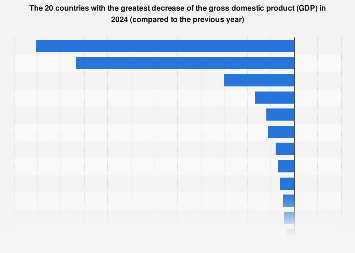
The global economic landscape in 2024 is marked by a complex interplay of persistent inflation, tightening monetary policies, geopolitical uncertainties, and lingering supply chain disruptions, creating a challenging environment for many nations. While projections suggest a modest overall growth for the world economy, a significant number of countries are bracing for substantial contractions in their Gross Domestic Product (GDP). This divergence highlights the uneven impact of global economic forces, with emerging markets and developing economies often bearing a disproportionate share of the downturn. Understanding the scale and nature of these projected contractions is crucial for policymakers, investors, and international organizations seeking to navigate the complexities of the current economic climate and formulate effective mitigation strategies.
Several factors contribute to the projected GDP declines in these vulnerable economies. High levels of sovereign debt, exacerbated by increased borrowing during the pandemic and rising interest rates, are straining fiscal capacities and limiting governments’ ability to stimulate growth or provide social safety nets. For many nations, a significant portion of their revenue is derived from commodity exports, and fluctuating global prices, coupled with weakening demand from major importing countries, can lead to severe economic shocks. Furthermore, countries heavily reliant on tourism or remittances are still grappling with the aftermath of the pandemic and its impact on international travel and labor mobility. Currency depreciation against major global currencies also plays a significant role, increasing the cost of imports, fueling inflation, and making it more expensive to service foreign debt.
While specific country data can fluctuate based on updated economic modeling and unforeseen events, analyses from leading international financial institutions and economic research firms consistently identify a group of countries facing the most significant economic headwinds. These nations are often characterized by a confluence of structural vulnerabilities and susceptibility to external shocks. For instance, countries heavily dependent on oil exports, such as some in Sub-Saharan Africa or the Middle East, can experience sharp economic downturns if global energy prices decline significantly or if demand falters due to a global recessionary trend. Similarly, nations with limited economic diversification, a narrow export base, and a high dependence on imported goods are particularly exposed to disruptions in global trade and supply chains.
The projected GDP contractions in these countries are not merely abstract statistical figures; they translate into tangible socio-economic consequences. A shrinking economy typically leads to job losses, reduced income levels, and increased poverty. Governments facing declining revenues will struggle to fund essential public services such as healthcare, education, and infrastructure development. This can create a vicious cycle, where economic hardship further hinders a country’s ability to recover and grow. Social unrest and political instability can also be exacerbated by widespread economic distress, posing additional risks to domestic and international stakeholders.
Comparing the projected economic performance of these countries with their global counterparts reveals a stark contrast. Developed economies, while not immune to challenges, generally possess more robust economic structures, diversified markets, and greater fiscal space to implement stimulus measures or absorb economic shocks. Their central banks often have more tools at their disposal to manage inflation and support growth. In contrast, many of the countries expected to experience GDP contractions are in the early stages of development or are already struggling with pre-existing economic fragilities. Their limited access to international capital markets, coupled with higher borrowing costs, further constrains their ability to respond effectively to adverse economic trends.
The economic impact extends beyond national borders. Significant contractions in key economies can have ripple effects on global trade, investment flows, and commodity markets. A slowdown in demand from one region can impact export-oriented industries in others. Reduced purchasing power in developing nations can diminish their role as consumers of goods and services produced elsewhere. Furthermore, economic instability in certain regions can lead to increased migration pressures, posing challenges for both origin and destination countries. International financial institutions and development banks play a critical role in providing financial assistance, technical expertise, and policy advice to help these vulnerable economies weather the storm. However, the scale of the challenges often outstrips available resources, underscoring the need for coordinated global efforts and sustainable development strategies.
For businesses operating internationally, understanding these economic divergences is paramount for strategic planning, risk assessment, and market entry decisions. Investments in countries facing significant GDP declines may carry higher risks, while opportunities might lie in sectors that are less sensitive to economic downturns or in countries with more resilient economic outlooks. Supply chain managers will need to assess the reliability of sourcing from regions facing economic contraction and explore diversification strategies. Financial institutions will need to carefully evaluate credit risks and adjust their lending strategies accordingly.
The projected economic contractions in 2024 serve as a stark reminder of the interconnectedness of the global economy and the differential impact of economic shocks. Addressing these challenges requires a multi-faceted approach involving sound domestic economic management, international cooperation, targeted financial assistance, and a commitment to fostering inclusive and sustainable growth models. The ability of these nations to navigate this difficult period will not only determine their own socio-economic trajectories but also contribute to the broader stability and prosperity of the global economic system. Continuous monitoring of economic indicators, coupled with proactive policy responses, will be essential in mitigating the adverse effects and paving the way for eventual recovery and sustained development.