The intricate global supply chains that underpin the multi-trillion-dollar fashion industry are currently navigating a turbulent sea of escalating trade tensions and retaliatory tariffs. This volatile geopolitical landscape has sharply highlighted the inherent fragility of modern commerce, forcing businesses, particularly those in dynamic sectors like apparel and consumer goods, to re-evaluate their foundational strategies. The strength and resilience of supplier relationships, cultivated through a commitment to responsible purchasing – encompassing not just cost-efficiency and quality but also environmental and social stewardship – are emerging as the most reliable bulwarks against unforeseen disruptions. For the fashion sector, this challenge arrives at a critical juncture, as it grapples with the arduous task of achieving ambitious, self-imposed climate and sustainability targets. A comprehensive 2025 benchmarking survey conducted by the US Fashion Industry Association revealed a stark reality: 100 percent of surveyed leading apparel brands and retailers identified the current administration’s protectionist policies and unpredictable trade relations as a paramount concern. Furthermore, over half of these industry leaders pinpointed policy uncertainty, particularly the specter of retaliatory tariffs, as their most significant operational headache.

In response to these mounting pressures, forward-thinking consumer goods companies are eschewing short-term, cost-cutting measures in favor of strategic, long-term investments designed to bolster supply chain resilience. Retail giants like Walmart and Target, for instance, proactively front-loaded inventory in anticipation of potential tariff impacts, particularly to safeguard crucial holiday season sales. Similarly, tech behemoth Apple demonstrated an innovative approach by chartering cargo flights to expedite the shipment of 1.5 million iPhones from India, a logistical feat enabled by expanding production with a key manufacturing partner. These actions transcend mere operational adjustments; they underscore the profound importance of fostering trust-based, responsive, and agile supply chain partnerships. Responsible purchasing practices, characterized by a holistic approach that integrates ethical and environmental considerations, are proving to be the indispensable adhesive holding these complex networks together during periods of intense uncertainty. Industry analysis from Gartner indicates a significant recalibration within large enterprises, with nearly half reporting renegotiated supplier contracts or fundamental shifts in sourcing strategies to mitigate risks directly attributable to tariffs. The increasing utilization of supply chain finance mechanisms, not only for liquidity management but also as a critical buffer against market volatility, further exemplifies this trend. Collectively, these developments signal a growing consensus: the cultivation of resilient, transparent, and values-aligned supply chains is no longer an optional strategic advantage but a fundamental prerequisite for navigating disruptions and sustaining a competitive edge in the global marketplace.
The runway to resilience appears particularly challenging for the fashion sector. A recent analysis, the Cascale Better Buying 2025 Garment Industry Scorecard, assigned the industry a middling score of 66 out of 100, with concerning year-on-year declines observed in critical areas of responsible purchasing, including cost negotiation strategies, payment terms, and product development cycles. This downward trend is deeply troubling, as the upstream repercussions of tariffs and other external shocks can rapidly cascade through the entire value chain. Without robust supplier relationships, the necessity to renegotiate production costs can lead to significant delays, amplified labor risks, and heightened reputational exposure. Moreover, this pattern of behavior carries substantial implications for the industry’s climate commitments. The fashion industry, with its sprawling and geographically dispersed supply chains, is exceptionally susceptible to these ripple effects. The recent imposition of US tariffs, effective August 7th, directly impacts key sourcing hubs that exert a disproportionately large influence on the sector’s overall carbon footprint. Cascale research indicates that a mere 1,800 factories, spread across nine specific countries, are responsible for over 80 percent of the measured carbon emissions generated by the apparel, textile, and footwear industries. Critically, six of these nations – China, Bangladesh, Vietnam, India, Turkey, and Pakistan – have been directly subjected to these new tariffs.

While shifting sourcing away from these tariff-affected hubs might offer a short-term reprieve from immediate cost burdens, it carries the significant risk of disrupting ongoing initiatives aimed at reducing emissions from these pivotal manufacturing centers. A precedent for this was observed in 2018, when tariffs targeting China inadvertently led to a surge in production in Vietnam. The intricate process of onboarding new suppliers typically requires an average of 14 months; consequently, such rapid and unplanned shifts often trigger a domino effect, resulting in a rise in labor violations, extended lead times, and compromises in product quality. Without meticulous, coordinated planning, these reactionary measures threaten to undermine both the industry’s climate objectives and the fundamental working conditions of its global workforce.
The global discourse surrounding sustainability, however, is gaining momentum, even if the fashion industry’s direct participation remains somewhat peripheral. Despite being a $3 trillion global industry, fashion is expected to have a minimal formal presence at the upcoming United Nations Climate Change Conference (COP30). As in previous years, budgetary constraints are leading to reductions in travel allowances and the downsizing of industry delegations, a direct consequence of market volatility impacting financial resources. Unlike dedicated climate forums such as Climate Week NYC or London Climate Action Week, COP30’s agenda will primarily focus on adaptation finance, carbon pricing mechanisms, and nature-based solutions, rather than directly addressing the recalibration of trade or sourcing frameworks. Nevertheless, industry participants would be wise to closely monitor the proceedings to gauge the evolving global appetite for sustainable finance and investment. Brazil, as the host nation for COP30, is championing significant initiatives, including the proposed $125 billion Tropical Forests Forever Facility, a blended-finance instrument designed to help bridge the substantial $1.3 trillion annual climate finance gap projected by 2035. Furthermore, discussions surrounding carbon pricing are poised to exert a more profound influence on international trade and value chains than any sector-specific trade reforms. In essence, while COP30 may not offer immediate tariff relief, it has the potential to shape the long-term regulatory landscape, intrinsically linking sustainability targets, sourcing practices, and competitive dynamics through policy levers that extend beyond the fashion industry’s immediate sphere of influence.
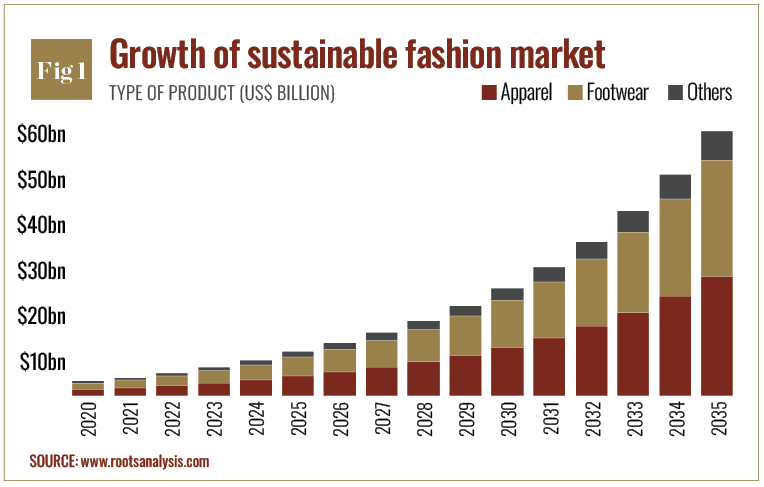
As the persistent burden of trade-related costs continues to weigh on the industry, a fundamental shift in mindset is imperative for its leaders. The true resilience of their businesses will not be found in diplomatic maneuvering or high-level political negotiations, but rather in the cultivation of trust-based relationships, the adoption of fair purchasing practices, and the relentless pursuit of innovations that drive sustainable development. Tariffs should be viewed not merely as financial impediments but as critical stress tests for existing supplier partnerships. Companies that rigidly adhere to price-driven strategies risk eroding their capacity to deliver the quality, speed, and innovative products demanded by today’s increasingly conscientious consumer. Conversely, organizations that embrace transparency and collaboration – by proactively sharing demand forecasts to ensure supply chain continuity, smoothing demand fluctuations through level-loading production, and offering more equitable payment terms – are demonstrably better positioned to avert spikes in labor violations and preserve the essential market signals required to sustain crucial decarbonization investments. In an era where tariffs and climate-induced shifts can necessitate overnight alterations to sourcing strategies, resilient partnerships transcend their operational utility to become strategic differentiators. They serve as powerful signals of accountability, stability, and ethical leadership, resonating with a growing cohort of stakeholders who are increasingly focused on long-term value creation and corporate responsibility.