The second-hand marketplace has undergone a profound metamorphosis, evolving from niche charity shops and informal exchanges into a formidable force within the global retail landscape. This burgeoning sector, now a sophisticated and technology-driven domain, is fueled by a discerning consumer base that prioritizes both economic prudence and environmental responsibility. It represents the tangible embodiment of the circular economy, where products are meticulously designed, extensively utilized, and repeatedly reintroduced into circulation, thereby extending their functional lifespan. Across diverse categories, from high fashion to consumer electronics, the acquisition of pre-owned items has transitioned from a fringe activity to a mainstream consumer behavior, fundamentally altering perceptions of ownership and waste generation. For online marketplaces and astute investors, this paradigm shift presents a fertile ground for innovation and growth, while simultaneously demanding adaptation to an increasingly complex and dynamic resale ecosystem.
Market intelligence underscores the sector’s remarkable expansion. A comprehensive report, "Second-Hand, First Choice: The Psychology of Recommerce," jointly published by Retail Economics and MPB, estimates the global recommerce market, excluding vehicles, to be valued at approximately $220 billion. Projections indicate a substantial surge of nearly 80 percent in this valuation by 2028 across key markets in the United States, the United Kingdom, France, and Germany. This robust growth is not solely attributable to the prevailing economic climate. While the escalating cost of living has undeniably elevated the importance of value for consumers, the current boom reflects a more fundamental societal and generational reorientation. Younger demographics, particularly Millennials and Generation Z, are increasingly distancing themselves from the ephemeral nature of fast fashion and disposable technology. Instead, they are gravitating towards items that not only express personal style but also align with their ethical convictions. The act of purchasing pre-owned goods has thus become an aspirational lifestyle choice, a deliberate method of engaging in commerce with a defined purpose and a powerful means of asserting individuality.
Beyond its economic appeal, the resale market offers tangible environmental advantages. Each transaction involving a pre-owned item contributes to extending the product’s usable life, thereby mitigating the demand for new manufacturing processes and consequently reducing carbon emissions. For consumers aspiring to adopt a more conscious lifestyle, the resale sector provides an accessible and rewarding avenue to champion a more responsible and less wasteful economic model.
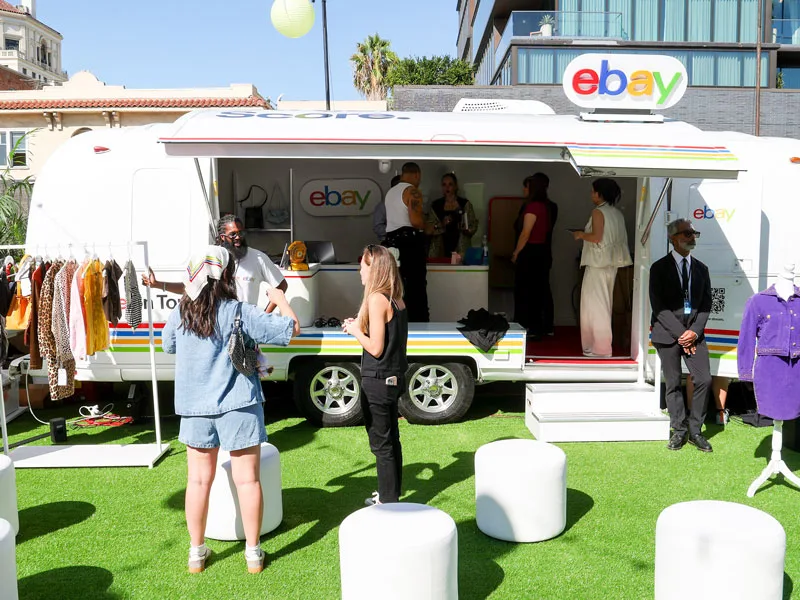
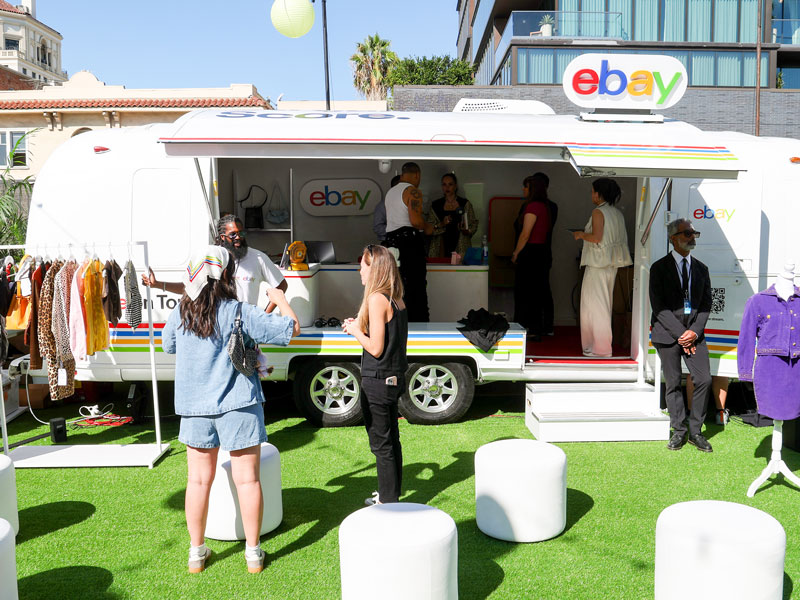
The professionalization of the resale sector is a key driver of its mainstream adoption. Contemporary online marketplaces are characterized by polished user interfaces and robust technological underpinnings, seamlessly integrating convenience with a strong emphasis on trust. Platforms such as Depop have revolutionized fashion resale by merging social media-like discovery features with e-commerce functionalities. Similarly, Vestiaire Collective has cultivated a distinguished reputation for its rigorous authentication of luxury fashion items. Vinted, ThredUp, and eBay have also significantly bolstered their certified pre-owned programs, further entrenching the resale market within the broader retail infrastructure.
At the core of this transformative wave lies technology, but it is the strategic application of these innovations that truly distinguishes the sector. Artificial intelligence (AI) now plays a pivotal role in assisting shoppers in their precise product searches, offering personalized recommendations, facilitating fair pricing, and curating bespoke user experiences. Advanced logistical solutions ensure a frictionless process for both buyers and sellers, underpinned by integrated systems that efficiently manage shipping, returns, and reverse supply chain operations. Many platforms further enhance credibility by employing expert authentication teams or leveraging blockchain technology to establish verifiable provenance for high-value items. Collectively, these advancements have substantially diminished the friction and apprehension historically associated with second-hand shopping, bestowing upon the resale market a level of polish and professionalism comparable to traditional retail channels.
From an investor’s perspective, the burgeoning resale and circular economy represents a compelling market opportunity with significant long-term value potential. The sector’s appeal is amplified by its dual proposition of robust growth prospects and strong Environmental, Social, and Governance (ESG) credentials. Venture capital and private equity firms are increasingly directing capital towards businesses that prioritize product lifespan extension through refurbishment and repair models. These strategies not only yield healthy financial returns but also actively contribute to achieving sustainability objectives. The underlying investment rationale is straightforward: as global resources become increasingly scarce and regulatory frameworks governing waste and emissions grow more stringent, circular business models are strategically positioned for superior performance. The inherent resilience of the sector during periods of economic contraction, driven by persistent consumer demand for value, adds a further layer of stability, positioning resale and refurbishment as a rare investment class offering both defensive and growth characteristics.
Investment funds are now strategically targeting scalable, technology-driven platforms that optimize circularity across diverse industries, including fashion, electronics, and furniture. For investors, supporting these enterprises offers a means to future-proof their portfolios against evolving consumer expectations and escalating regulatory pressures. The circular economy is demonstrably proving that profitability and corporate responsibility are not mutually exclusive, a compelling proposition that the financial world is increasingly eager to embrace.
Established retailers are navigating a landscape where the resale revolution presents both significant challenges and compelling opportunities. Traditional linear business models – characterized by a cycle of sell, discard, and repeat – are increasingly misaligned with contemporary consumer expectations and corporate ESG commitments. In response, a growing number of brands are proactively integrating resale and repair services directly into their operational frameworks.
Patagonia’s pioneering "Worn Wear" program, IKEA’s furniture buy-back initiatives, and the certified pre-owned collections offered by luxury houses like Gucci and Burberry exemplify a discernible shift towards more circular retail practices. These endeavors not only extend the lifespan of products but also unlock new avenues for revenue generation. By facilitating resale within their own controlled ecosystems, brands can maintain stringent quality control and capture residual value that would otherwise dissipate into third-party marketplaces. This integrated approach also empowers retailers to showcase tangible progress in meeting their sustainability targets, a crucial factor for attracting both investors and consumers.
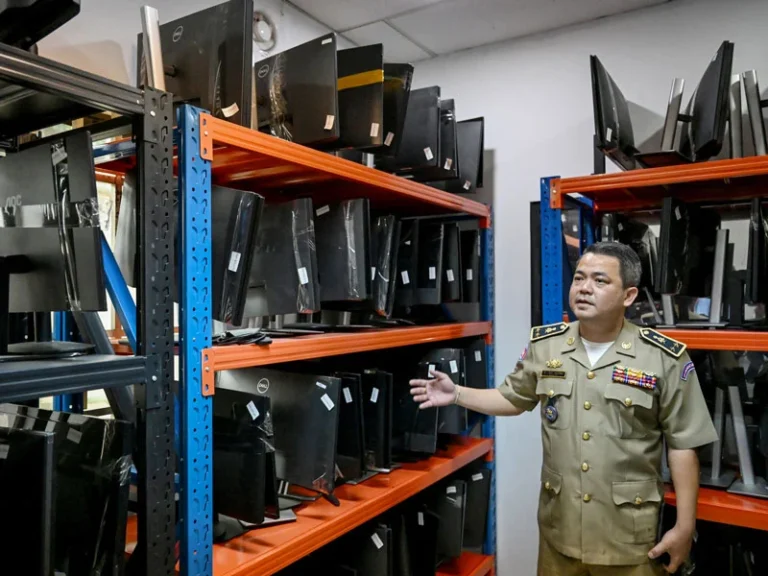
Despite its impressive growth trajectory, the enduring success of the resale sector is fundamentally predicated on the establishment and maintenance of trust. The persistent threat of counterfeit goods and misrepresentation remains a significant challenge, particularly within the luxury goods and electronics segments. Consequently, platforms that are making substantial investments in authentication and verification processes are best positioned for long-term viability.
The deployment of AI algorithms capable of detecting anomalies in product imagery, the implementation of blockchain-based provenance records, and the establishment of specialized teams to meticulously inspect and certify goods prior to listing are rapidly becoming industry benchmarks. These rigorous measures serve not only to safeguard consumers but also to preserve the brand equity of companies venturing into the pre-owned market. The integration of insurance solutions further strengthens this framework by providing financial recourse against instances of misrepresentation or product defects.
Consumers increasingly demand assurance that their purchases, whether they be refurbished electronics, pre-owned luxury handbags, or vintage furniture, are adequately protected. Insurers are responding by developing tailored products that address these specific needs, offering coverage against risks such as counterfeiting, inaccurate descriptions, or product malfunctions.
Companies like Bolttech, Cover Genius, and Embri are collaborating with online marketplaces and retailers to offer embedded insurance solutions, thereby simplifying access to coverage at the point of sale. Platforms such as Oyster are integrating comprehensive protection plans directly into their online checkout processes, ensuring buyers receive reassurance without encountering undue inconvenience. By providing this crucial safety net, insurers play a vital role in legitimizing the resale sector, thereby encouraging consumers to invest in higher-value items with enhanced confidence. For online marketplaces, the provision of embedded insurance has emerged as a strategic differentiator, fostering trust and providing invaluable peace of mind to their user base.
In the United Kingdom, Back Market offers warranty coverage for refurbished mobile devices against damage. Katy Medlock, its General Manager, elaborates, "While the refurbished tech movement is gaining traction in the UK, many individuals still perceive pre-loved gadgets as inherently risky. Our insurance offering represents a continuation of our commitment, and we are optimistic that it will instill greater confidence in customers, assuring them that their refurbished device is covered and empowering them to transition from purchasing something ‘new’ to acquiring something that is ‘like new’."
The environmental benefits derived from the resale market are unequivocally substantial. By extending the useful life of products, the necessity for new manufacturing is diminished, leading to the conservation of raw materials and a significant reduction in carbon emissions. This impact is particularly pronounced in industries with substantial resource footprints, such as fashion, which accounts for approximately 10 percent of global emissions, and electronics, where production processes are energy-intensive and involve extensive mineral extraction. The act of purchasing a refurbished smartphone or laptop, for instance, bypasses the carbon footprint associated with the manufacturing of a new device, a compelling advantage that resonates strongly with environmentally conscious consumers.
However, the pursuit of genuine sustainability within the resale sector is not an automatic outcome. The emergence of "fast resale," characterized by the rapid turnover of second-hand goods driven by transient trends and social media influence, can inadvertently encourage overconsumption rather than serve as a direct substitute for new purchases. In such scenarios, the environmental benefits may be diluted. True sustainability hinges on the quality of refurbishment processes and the implementation of systems that prioritize reuse over outright replacement. The most conscientious participants in the sector are addressing this challenge proactively, investing in transparent supply chains and low-carbon logistics. Their ongoing endeavor is to ensure that the circular economy remains authentically circular, rather than merely evolving into a new iteration of fast consumption adorned with environmentally friendly branding.
As the resale market solidifies its position as a major global industry, increased regulatory scrutiny is an inevitable development. Variations in warranty regulations and return policies across different international markets can create confusion and impede cross-border commerce. A concerted move towards greater standardization would significantly benefit both consumers and platforms, streamlining compliance procedures and fostering a more robust environment of trust. Another critical challenge lies within logistics. The intricate processes of managing returns and restocking introduce added costs and operational complexity. The development of efficient reverse supply chains, capable of collecting and redistributing products at scale, is paramount to sustaining profitability. The entities that will ultimately achieve preeminence in this space will be those that master operational efficiency with the same acumen they apply to consumer engagement.
The trajectory of the resale market clearly indicates a sustained acceleration. A confluence of heightened consumer awareness and increasing technological sophistication is converging to elevate the desirability of second-hand goods. For online marketplaces, the pivotal opportunity lies in achieving responsible scalability: harmonizing convenience with credibility and aligning profitability with purpose. For traditional retailers, the imperative is to embed circularity as an integral and structural component of their business models.
Those who successfully navigate this evolving landscape will redefine the very concept of ownership, transforming products from disposable commodities into enduring assets capable of fulfilling multiple lifecycles. The future of consumption will not be defined by relentless replacement but by a paradigm of continuous renewal. The ascendant rise of the resale market unequivocally demonstrates that extending the lifespan of products is not only environmentally responsible but also economically advantageous.
With clothing resale sales reaching an impressive $197 billion last year and projections indicating a substantial increase to $350 billion by 2028, coupled with the multi-billion-dollar valuations attained by refurbished technology platforms, the sheer scale of the market is undeniable. Beyond these impressive figures lies a more profound transformation: a fundamental reimagining of the consumer economy that places a premium on longevity over disposability and purpose alongside profit. Companies that recognize and adapt to this seismic shift will undoubtedly shape the next epoch of retail.