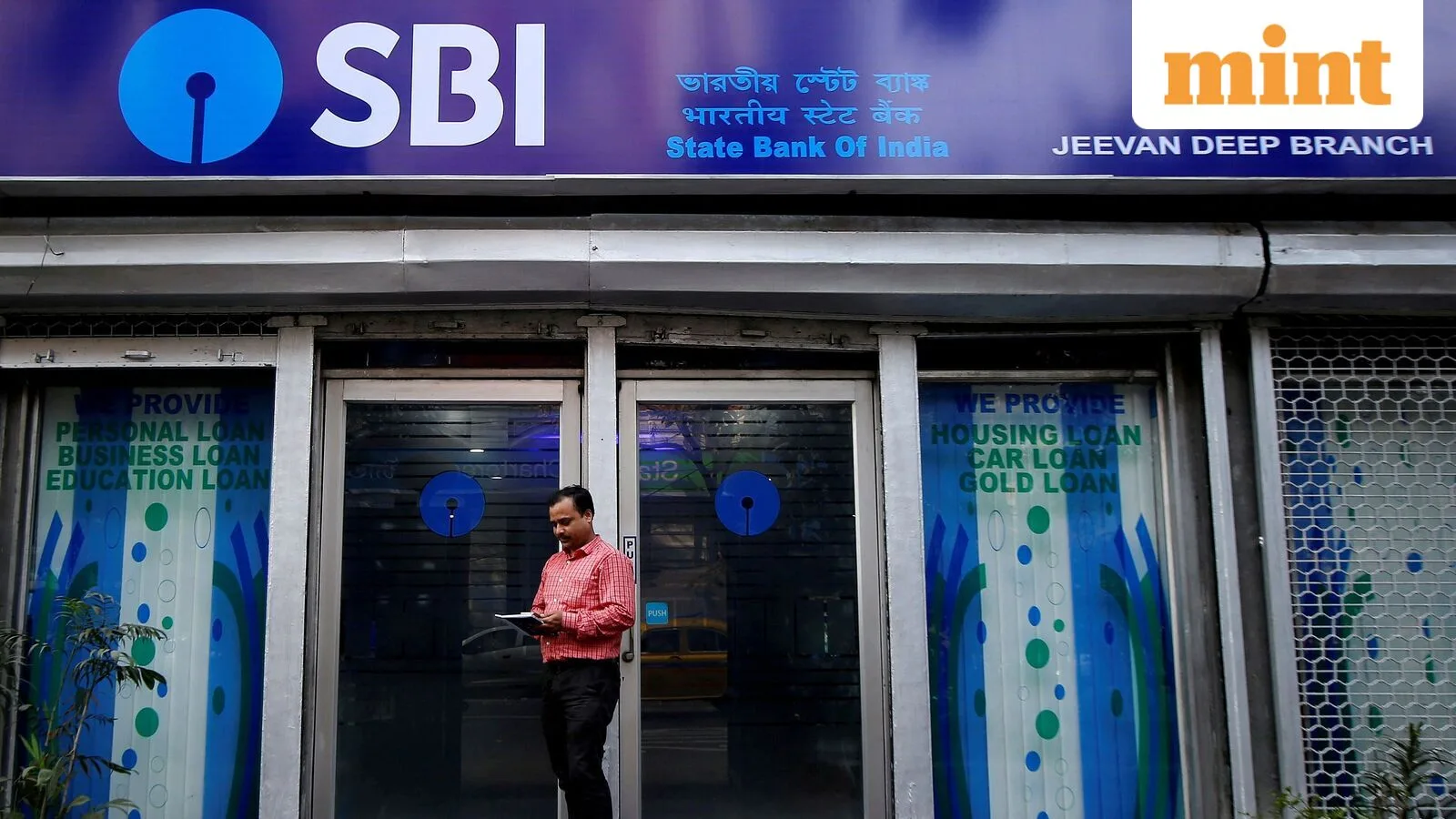
India’s sprawling financial sector, a critical engine of its rapidly expanding economy, is bracing for a series of scheduled closures across various regions during the week of April 13-19, 2026. While the precise number of non-working days will vary by location, some areas could experience up to six days of banking suspension, including the customary Sunday holiday, as the nation observes a vibrant tapestry of cultural and religious festivals. This annual occurrence underscores India’s unique challenge of balancing profound cultural diversity with the imperatives of modern economic efficiency, particularly for its vast network of public and private banks.
The upcoming closures are primarily driven by significant regional and national observances, each carrying deep historical and cultural resonance. Ambedkar Jayanti, commemorating the birth anniversary of Dr. B. R. Ambedkar, the architect of India’s Constitution and a champion of social justice, is typically observed nationwide on April 14th, affecting banking operations across the country. Simultaneously, numerous regional new year and harvest festivals contribute to the localized holiday schedule. These include Pohela Boishakh, the Bengali New Year, celebrated with fervor in West Bengal, Tripura, and Assam; Bihu, the Assamese New Year, a harvest festival central to Assamese culture; and Tamil New Year (Puthandu), observed with traditional gaiety across Tamil Nadu and Puducherry, as well as by the Tamil diaspora globally. The broader term ‘Sankranti’ often encompasses a variety of harvest and new year festivals celebrated around this time in different states, such as Vishu in Kerala, Baisakhi in Punjab, and Maha Vishuva Sankranti in Odisha, further adding to the regional holiday patchwork. This rich array of festivals, while a testament to India’s pluralistic identity, necessitates a nuanced approach to financial planning for both institutions and individuals.
The economic ramifications of such extensive bank holidays, even if localized, are multifaceted and warrant careful consideration. India, with its approximately 1.4 billion people and a GDP projected to be among the fastest-growing major economies, relies heavily on a robust and continuously accessible financial system. While individual days of closure might seem minor, their cumulative effect, particularly when impacting critical business cycles, can lead to temporary bottlenecks. Small and Medium Enterprises (SMEs), which form the backbone of India’s economy, often depend on daily cash flows, cheque clearances, and timely loan disbursements. Delays in these operations can ripple through supply chains, impacting vendor payments, inventory management, and ultimately, production schedules. Sectors heavily reliant on cash transactions, such as parts of the retail trade, agriculture, and the vast informal economy (estimated to employ over 80% of the workforce), are particularly vulnerable to disruptions in physical banking services. International businesses operating in India also face the challenge of aligning their financial calendars with a complex local holiday schedule, potentially delaying cross-border transactions and remittances.
"While India’s vibrant festival calendar enriches its cultural fabric, each bank holiday, particularly when regionally clustered, presents a micro-economic challenge," notes Dr. Kavita Singh, a financial services analyst based in Bengaluru. "For larger corporations, robust digital infrastructure often mitigates the impact, but for millions of MSMEs and daily wage earners, physical bank access remains crucial. The key is proactive communication and leveraging digital alternatives to their fullest." The Reserve Bank of India (RBI) plays a pivotal role in categorizing and announcing these holidays, classifying them under the Negotiable Instruments Act, Real-Time Gross Settlement (RTGS) holidays, and banks’ closing of accounts. The Negotiable Instruments Act holidays directly impact cheque processing and other paper-based transactions, while RTGS holidays affect large-value interbank transfers. Understanding these distinctions is crucial for businesses to anticipate and manage their financial operations.

A unique aspect of India’s banking calendar is the distinction between national and regional holidays, coupled with specific rules for Saturdays. While national holidays like Republic Day or Gandhi Jayanti see uniform closures across the country, most other festivals are observed regionally. Furthermore, banks in India typically remain closed on the second and fourth Saturdays of each month, but stay open on the first, third, and fifth Saturdays. Given that the upcoming period includes the third Saturday of April, banking operations are expected to be functional on that particular Saturday, offering a brief respite for certain transactions. This nuanced scheduling requires businesses and individuals to consult the RBI’s official holiday calendar or their local branch for precise operational days.
The burgeoning landscape of digital banking, however, acts as a significant buffer against the potential disruptions caused by physical branch closures. India has emerged as a global leader in digital payment adoption, spearheaded by innovations like the Unified Payments Interface (UPI). In March 2024 alone, UPI processed over 13.44 billion transactions worth ₹19.78 lakh crore (approximately $237 billion), demonstrating its widespread acceptance and robust infrastructure. During bank holidays, services such as internet banking, mobile banking applications, IMPS (Immediate Payment Service), NEFT (National Electronic Funds Transfer), and the extensive network of Automated Teller Machines (ATMs) remain fully operational. Customers can withdraw cash, make online payments, transfer funds, check balances, and even apply for certain loans digitally. This digital resilience ensures that essential financial activities continue uninterrupted, minimizing the inconvenience for urban populations and tech-savvy users.
Despite the digital advancements, the "digital divide" remains a pertinent issue. While smartphone penetration is high, digital literacy and access to reliable internet connectivity can still be challenging in remote and rural areas. For these communities, physical bank branches represent a vital conduit for financial services, from withdrawing government welfare benefits to accessing micro-credit. Activities requiring a physical presence, such as depositing large sums of cash, specific loan consultations, or submitting physical documents, remain suspended during holidays. This highlights the ongoing need for a hybrid approach that integrates digital innovation with accessible physical infrastructure to ensure financial inclusion for all segments of society.
Globally, bank holiday systems vary significantly. Western economies often have fewer public holidays, with a strong emphasis on maintaining continuous economic activity. In contrast, many Asian nations, like India, integrate numerous cultural and religious festivals into their public holiday schedules, reflecting their diverse societies. Japan, for instance, also has several public holidays, but their financial markets and banking systems are highly digitized to mitigate disruptions. India’s challenge is unique due to its sheer scale, rapid economic growth, and the vast socio-economic disparities that influence banking access. The policy debate often revolves around finding the optimal balance: celebrating cultural heritage without unduly impeding economic momentum.
Looking ahead, the ongoing evolution of financial technology, including the potential integration of artificial intelligence for automated services and blockchain for secure, instant settlements, promises to further reduce the reliance on physical banking infrastructure. However, for the foreseeable future, India’s banking sector will continue to navigate the intricate interplay between its rich cultural calendar and its economic aspirations. Both businesses and individual consumers are increasingly adapting by leveraging digital tools and planning their financial transactions around these scheduled closures. The recurring rhythm of bank holidays in India thus serves as a powerful reminder of the nation’s vibrant diversity and its dynamic journey towards a more digitally empowered and economically resilient future.