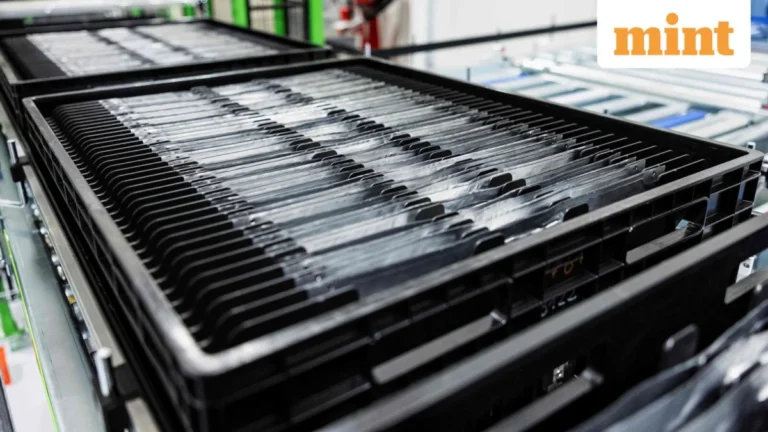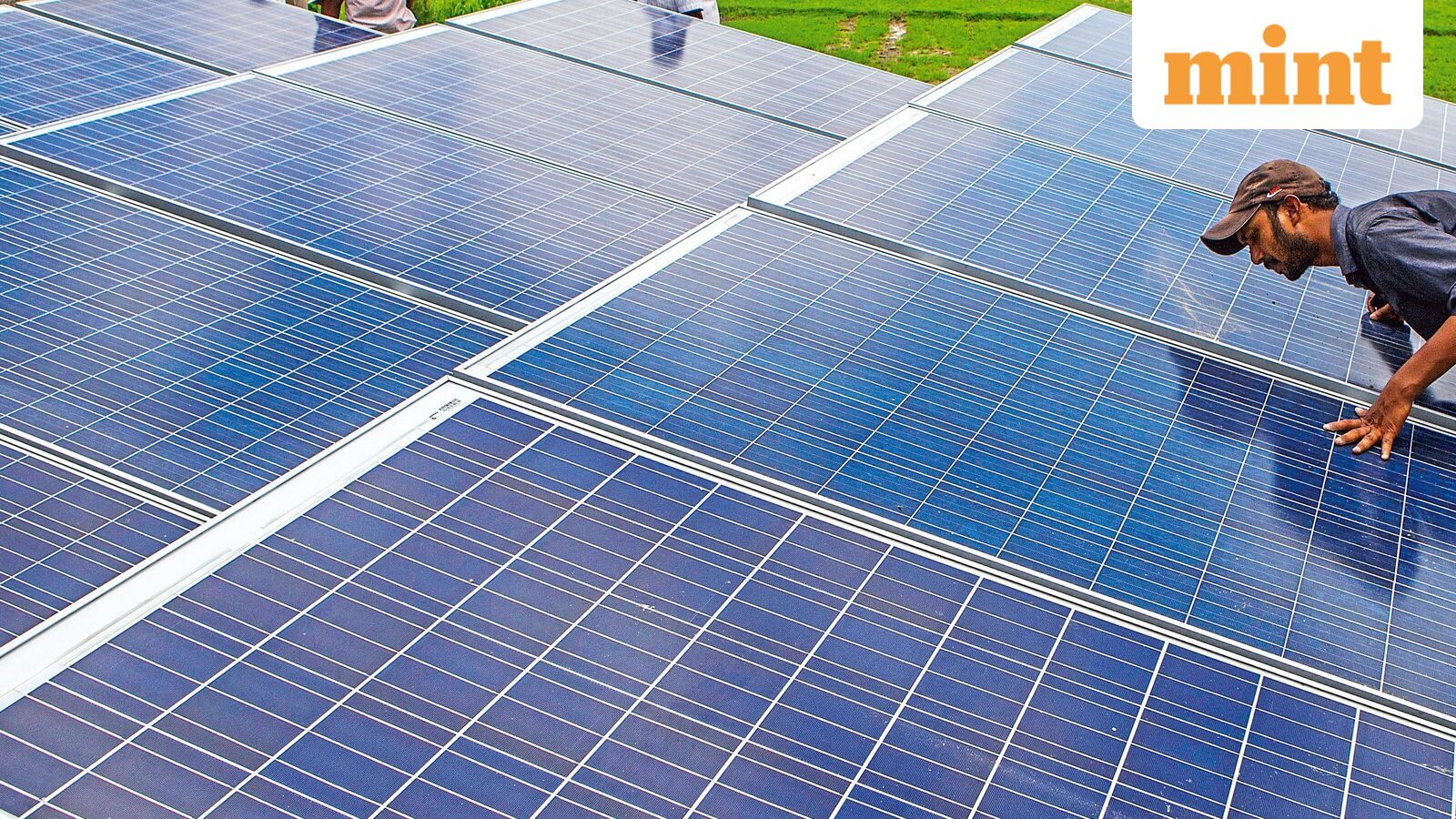
The directive expands the ambit of the Approved List of Models and Manufacturers (ALMM) framework, a cornerstone of India’s "Make in India" initiative within the renewable energy sector. Initially applied to solar modules and subsequently to solar cells from June of the current year, the ALMM will now encompass the upstream components of ingots and wafers through the introduction of ALMM List-III. This phased approach acknowledges the intricate and capital-intensive nature of the solar value chain, where ingots are first cast, then sliced into wafers, which are subsequently processed into photovoltaic cells, before being assembled into complete solar modules. The Ministry of New and Renewable Energy (MNRE) has affirmed that suitable grandfathering provisions will be incorporated to safeguard projects already in the development pipeline, mitigating potential disruptions to ongoing investments.
This policy thrust is intrinsically linked to India’s ambitious clean energy targets, most notably the goal of achieving 500 GW of non-fossil fuel electricity generation capacity by 2030. Solar energy is projected to contribute a substantial portion of this target, necessitating a rapid and sustained deployment of solar power projects. However, a significant vulnerability in India’s renewable energy strategy has been its heavy dependence on imported solar components. While the nation has made strides in module and cell assembly, the critical upstream stages of ingot and wafer manufacturing remain almost entirely reliant on external sources, primarily China. This dependence exposes India to geopolitical risks, supply chain shocks, currency fluctuations, and potential trade disruptions, undermining the long-term energy security and economic stability of its green transition.
The global solar manufacturing landscape is overwhelmingly dominated by China, which accounts for over 80% of the world’s solar wafer and ingot production capacity. This supremacy has been cultivated through decades of strategic state support, massive investments in R&D, and economies of scale, leading to highly competitive pricing. For India, building a resilient domestic supply chain for these foundational components is not merely an economic decision but a strategic imperative. By localizing the entire value chain, India aims to mitigate the risks associated with concentrated global supply and position itself as a formidable global player in renewable energy manufacturing, aligning with broader national goals of self-sufficiency and technological leadership.
Currently, India possesses a nascent wafer and ingot manufacturing capacity, estimated to be a mere 2 GW, a stark contrast to the country’s burgeoning demand for solar installations. This yawning gap underscores the colossal investment and technological leap required to meet the 2028 deadline. Industry estimates suggest that the mandate will catalyze an investment of approximately ₹50,000 crores (approximately $6 billion USD) into this segment over the next three years. This capital injection is expected to generate tens of thousands of direct and indirect jobs, fostering a skilled workforce and injecting critical technological know-how into the domestic manufacturing sector. Companies like Avaada Energy, Waaree Energies, and ReNew Power have already signaled their intent to foray into wafer and ingot manufacturing, recognizing the substantial market opportunity created by the government’s protective policies and incentives.

However, the path to self-reliance is not without its challenges. Srivatsan Iyer, CEO of Hero Future Energies, while acknowledging the immense opportunity for accelerated domestic innovation and enhanced energy security, cautioned that such a monumental shift necessitates careful capacity planning, comprehensive ecosystem readiness, and substantial capital build-up. He suggested that extending the target date might allow for a more robust and less disruptive transition. The National Solar Energy Federation of India (NSEFI), an apex industry body, has echoed these sentiments, emphasizing the capital-intensive nature of upstream manufacturing and the scale required to meet domestic demand. The federation has advocated for dedicated support mechanisms, including viability gap funding (VGF) for ingot and wafer manufacturing, as well as incentives for acquiring advanced manufacturing equipment. Such financial and policy support will be critical to de-risk investments and enable domestic players to compete effectively with established global giants.
The economic implications of this policy are far-reaching. By localizing the production of wafers and ingots, India stands to significantly reduce its import bill, conserving valuable foreign exchange reserves. The creation of a robust domestic manufacturing base will also lead to greater price stability for solar projects, shielding developers from the volatility of international markets and exchange rate fluctuations. Moreover, the policy is expected to spur innovation and research and development within India, fostering a competitive edge in solar technology. The multiplier effect of these investments will extend across various sectors, from raw material suppliers to logistics and service providers, contributing to overall economic growth and employment generation.
From a strategic standpoint, a self-sufficient solar manufacturing ecosystem enhances India’s energy security and geopolitical leverage. As the world transitions towards renewable energy, control over critical components of the supply chain becomes a strategic asset. By reducing dependence on a single dominant supplier, India can safeguard its energy future from potential geopolitical tensions or trade disputes. The policy also aligns with global trends where major economies like the United States and the European Union are actively pursuing strategies to reshore critical manufacturing and diversify their supply chains, recognizing the strategic importance of energy independence.
Looking ahead, the success of this mandate will hinge on the timely and effective implementation of supporting policies, including financial incentives, streamlined regulatory processes, and a concerted effort to develop a skilled workforce. The next few years will be crucial for domestic manufacturers to scale up operations, acquire advanced technology, and build the necessary infrastructure to meet the demand by June 2028. While ambitious, this policy represents a decisive step in India’s journey towards becoming a global leader in renewable energy, not just in deployment, but also in advanced manufacturing, ultimately securing a cleaner, greener, and more self-reliant future.