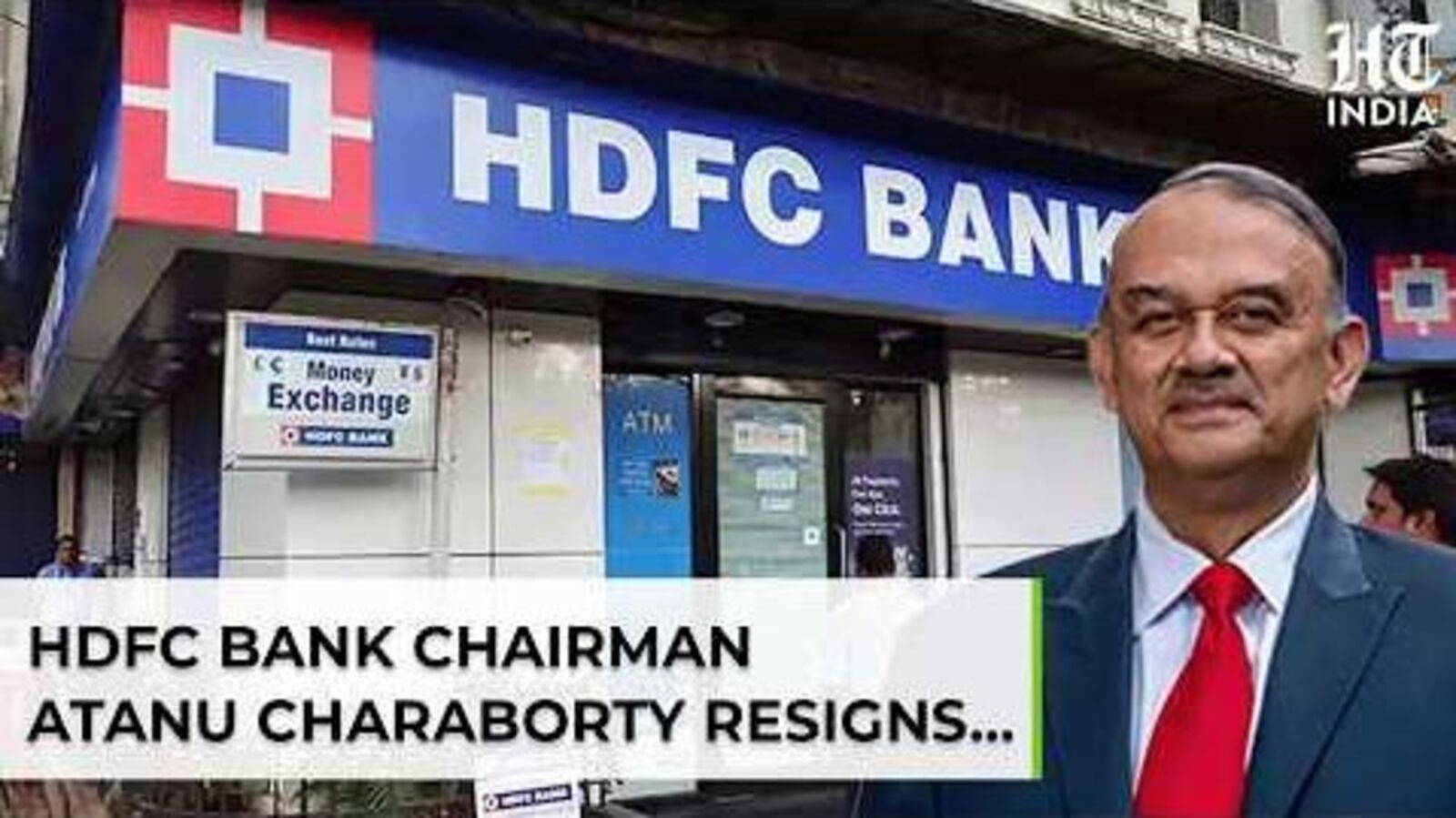
India’s largest private sector lender, HDFC Bank, has been thrust into the spotlight following the immediate resignation of its chairman, Atanu Chakraborty, effective March 17. The unprecedented nature of Chakraborty’s departure, articulated in a letter to the board citing "certain happenings and practices within the bank" that were "not in congruence" with his personal values and ethics, has sent ripples through the financial sector and ignited a keen focus on corporate governance within the nation’s banking behemoths. The Reserve Bank of India (RBI) swiftly approved the appointment of veteran HDFC group figure, Keki Mistry, as an interim part-time chairman for three months, commencing March 19, signaling a need for immediate stability at the helm.
Chakraborty’s statement, devoid of specific details regarding the "practices" in question, nonetheless carries significant weight. In a highly regulated industry like banking, and particularly for an institution of HDFC Bank’s stature, such a public declaration by a departing chairman is rare and typically reserved for deep-seated concerns. It suggests potential issues spanning ethical conduct, internal controls, risk management protocols, compliance adherence, or even cultural misalignments within the organization. While the bank’s official statement affirmed no other reasons for his resignation beyond those cited, the lack of granularity inevitably fuels speculation among investors, analysts, and regulatory bodies, prompting a deeper look into the bank’s operational ethos, especially in the wake of its landmark merger.
The context of this resignation is inextricably linked to HDFC Bank’s transformative merger with its parent housing finance company, HDFC Ltd., which culminated in mid-2023. This strategic consolidation created an entity of unprecedented scale in the Indian financial landscape, positioning HDFC Bank as the second-largest bank by assets in the country and a formidable global player. The merged entity boasts a combined balance sheet exceeding $400 billion, a vast customer base, and an expansive branch network, making it a pivotal institution for India’s economic stability and growth. Chakraborty himself acknowledged his tenure saw "momentous events like merger… that created a conglomerate under the bank," noting that "the benefits of merger are yet to fully fructify." This candid assessment underscores the complex integration challenges inherent in such a colossal undertaking, including harmonizing diverse corporate cultures, integrating technological platforms, streamlining operational processes, and managing a significantly expanded asset base and regulatory compliance framework. It is conceivable that the "practices" cited by Chakraborty could be related to these post-merger integration dynamics, where differing approaches or established norms might clash.
Corporate governance has emerged as a critical determinant of financial stability and investor confidence globally, and India is no exception. The RBI and the Securities and Exchange Board of India (SEBI) have progressively tightened governance norms for financial institutions and listed companies, respectively, emphasizing transparency, accountability, and ethical leadership. The departure of a chairman under such circumstances at a systemically important bank like HDFC Bank invariably draws heightened scrutiny from the central bank. The RBI, known for its stringent oversight, particularly following past instances of governance lapses in other Indian financial institutions, will undoubtedly be closely monitoring HDFC Bank’s internal environment. Such an event serves as a potent reminder of the fragility of trust and the imperative for robust governance structures, particularly when institutions grow to systemic importance. Globally, similar high-profile resignations at major financial firms, often linked to ethical breaches or internal control failures, have led to significant stock price corrections, regulatory penalties, and long-term damage to corporate reputation.

Atanu Chakraborty brought a wealth of experience to HDFC Bank’s board, having served extensively in the Indian bureaucracy, including as Secretary in the Ministry of Finance during FY19-20. His distinguished career, primarily focused on finance, economic policy, infrastructure, and petroleum and natural gas sectors, suggested a seasoned hand capable of navigating complex economic and regulatory terrains. His appointment in May 2021 was seen as a move to bolster the bank’s governance and regulatory liaison capabilities, especially ahead of the anticipated merger. His abrupt departure, therefore, represents not just a change in leadership but a potential loss of valuable experience and a disruption to board continuity at a crucial juncture for the bank. The interim appointment of Keki Mistry, a long-standing veteran of the HDFC Group, provides a measure of immediate reassurance. Mistry’s deep institutional knowledge and familiarity with the group’s culture and operations make him a logical choice to steer the bank through this interim period. However, his three-month tenure is inherently transitional, underscoring the urgency for the bank to identify and appoint a permanent chairman capable of providing stable, long-term leadership.
The leadership transitions at HDFC Bank extend beyond Chakraborty’s exit. Earlier in January, the bank announced that another board member, Bhavesh Zaveri, an executive director heading ATM, operations, and administration functions, would not seek reappointment, expressing an interest in exploring opportunities outside the banking sector, potentially within group companies. While Zaveri’s departure appears to be a separate decision, the cumulative effect of two significant board member exits within a short period could raise questions about board stability and internal dynamics, particularly as the merged entity continues to integrate. Maintaining a cohesive and experienced board is paramount for effective oversight and strategic direction, especially for an institution undergoing such a massive transformation.
From a market perspective, the news of Chakraborty’s resignation triggered an immediate, albeit modest, reaction. While HDFC Bank’s stock price exhibited some volatility, the market’s response was not one of panic, perhaps cushioned by the prompt interim appointment of Keki Mistry and the bank’s inherent strength. However, the long-term implications for investor confidence hinge on how the bank transparently addresses the underlying issues implied by the chairman’s statement. Institutional investors and global fund managers place a high premium on robust corporate governance, viewing it as a key indicator of a company’s sustainability and risk profile. Any perception of governance deficiencies could lead to a discount in valuation or a reassessment of investment strategies. Analysts will be closely scrutinizing future financial disclosures, board meeting minutes, and any regulatory communications for clues about the "practices" that led to this high-profile departure.
Looking ahead, HDFC Bank faces several immediate priorities. The foremost is to initiate a thorough, transparent, and swift process to appoint a permanent chairman who can provide enduring leadership and reinforce confidence. Concurrently, the bank must proactively address any internal issues implied by Chakraborty’s resignation, conducting a comprehensive internal review if necessary, and communicating effectively with all stakeholders, including the RBI, investors, and employees. Accelerating the full integration of HDFC Ltd. into the bank, ensuring cultural alignment, and realizing the promised synergies of the merger will remain critical. This episode serves as a powerful reminder that while scale and strategic mergers can unlock immense potential, they also amplify the importance of unwavering ethical standards and impeccable corporate governance at every level of the organization, especially for institutions that form the bedrock of a nation’s financial system. The path forward for HDFC Bank will be defined not just by its financial performance, but by its ability to navigate this governance challenge with integrity and reinforce its commitment to the highest ethical standards.