The global jewellery market, long anchored by its traditional focus on women’s ornaments and investment-driven purchases, is undergoing a significant transformation. Across key emerging economies and established markets alike, organized retailers are strategically pivoting towards the burgeoning, yet historically underserved, men’s and children’s segments. This calculated expansion signals a broader shift in consumer behaviour, driven by evolving fashion sensibilities, rising disposable incomes, and a cultural re-evaluation of jewellery’s role beyond mere adornment or asset. India, a bellwether for global jewellery trends due to its deep cultural ties to precious metals, is at the forefront of this evolution, with major players aggressively carving out new niches to unlock fresh demand.
This strategic recalibration is not merely a tactical move but a response to robust market indicators. The global men’s jewellery market, for instance, was valued at a substantial $48.56 billion in 2024 and is projected to exhibit a Compound Annual Growth Rate (CAGR) of 9.9% between 2025 and 2034, according to Polaris Market Research. This trajectory underscores a worldwide momentum that organized retailers are eager to capture. Traditionally, these segments were fragmented, often served by smaller, independent jewellers or digital-first brands that capitalized on their agility. Now, industry stalwarts are leveraging their established brand equity, trust, and extensive retail networks to create structured offerings that cater to these burgeoning consumer groups.
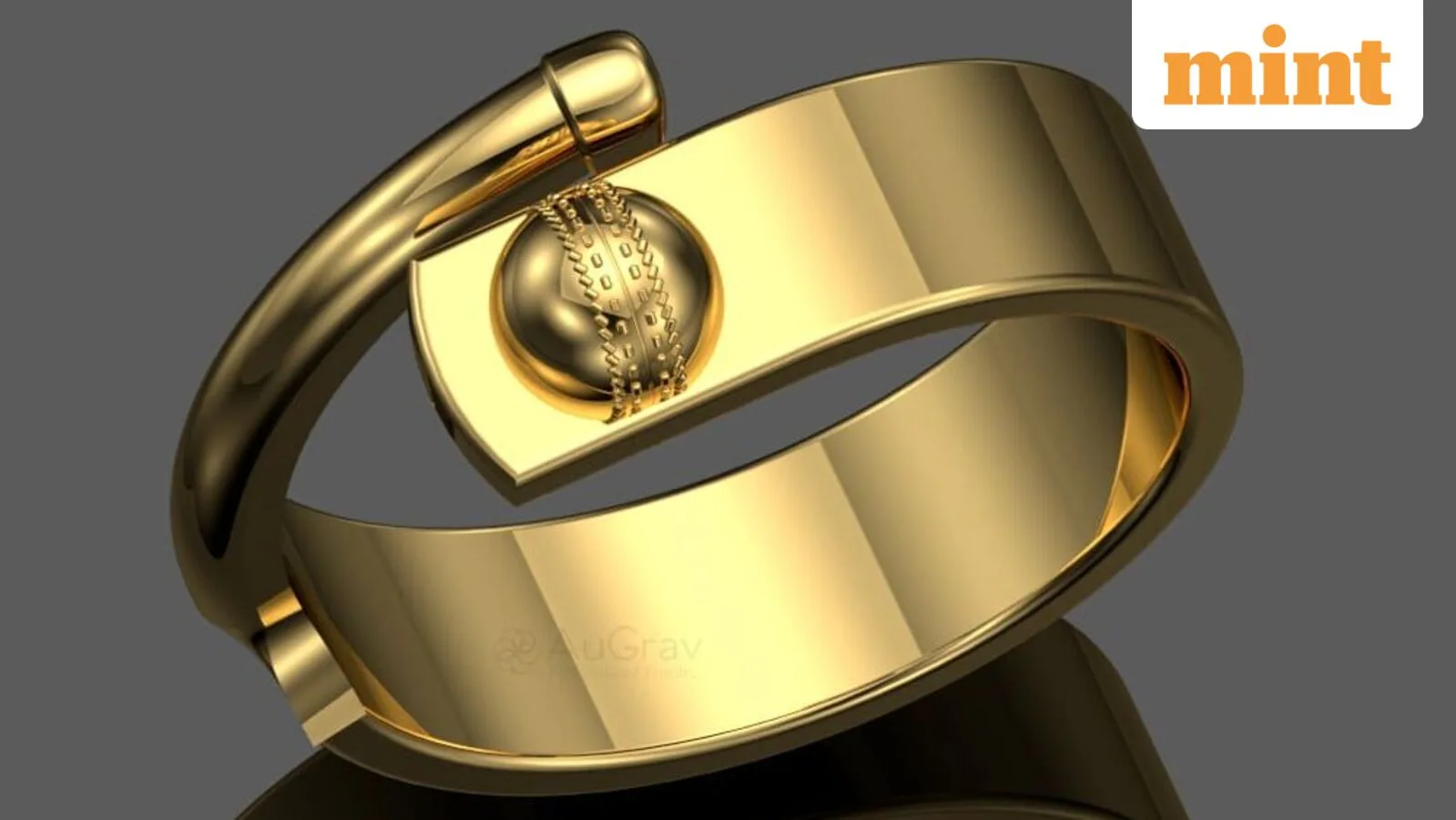
One of the most prominent examples of this strategic shift comes from Titan Company Ltd, a titan in the Indian retail landscape. Its sub-brand, Mia by Tanishq, which initially cultivated a strong identity as a women-focused fashion jewellery label, is poised to introduce dedicated lines for men and children this year. Shyamala Ramanan, business head of Mia by Tanishq, articulated the rationale behind this expansion, noting a discernible surge in consumer inquiries and demand for such offerings. The brand’s approach is particularly insightful: Mia aims to position its new categories around 9-14 karat gold, emphasizing lightweight, contemporary designs over traditional, heavier investment pieces. This strategy is designed to attract younger consumers, particularly those aged 20-25, making Mia a crucial "recruiter brand" for the broader Tanishq portfolio by introducing them to quality jewellery at more accessible price points. The higher profit margins associated with lower-karat gold, due to reduced raw material costs, further sweeten this proposition for retailers.
The momentum extends beyond the industry’s largest players. Shaya by CaratLane, another significant name, has reported encouraging early traction in its men’s jewellery segment, which it entered recently. Ajith Singh Rajapoopathy, business head of Shaya by CaratLane, confirmed the immediate success of their men’s bracelets and chains, prompting a rapid expansion of their collection to include rings and other pieces. This quick market response highlights a latent demand that, once addressed with tailored products, translates into significant sales. Similarly, mid-sized and regional jewellers are observing a clear uptick. Santosh Kataria, Chairman and MD of DP Abhushan Ltd, indicated that men’s and kids’ jewellery now contribute approximately 8-12% of their total sales. Supriya Kataria, founder of Kumari fine jewellery, further quantified this growth, reporting that men’s jewellery is expanding at an impressive 20-25% per annum, while kids’ jewellery consistently registers double-digit growth.
The drivers behind this burgeoning demand are multifaceted. For men’s jewellery, the surge is intricately linked to a global shift in male grooming and style consciousness. Influenced by social media, celebrity trends, and a broader cultural acceptance of self-expression, men are increasingly viewing jewellery as an integral part of their personal aesthetic rather than merely a status symbol or a gift. This is particularly evident in urban centers and among younger demographics who are more attuned to global fashion currents. From subtle bracelets and rings to statement chains and pendants, the modern man’s accessory repertoire is expanding, moving beyond utilitarian watches to embrace decorative pieces that reflect individuality. In markets like North America and Western Europe, this trend has been developing for some time, with luxury brands and streetwear labels alike incorporating men’s jewellery into their collections, a phenomenon now gaining significant traction in Asian markets.

The kids’ jewellery segment, while distinct in its drivers, also represents a substantial growth opportunity. It is primarily propelled by gifting occasions—birthdays, festivals, religious ceremonies, and personal milestones. Parents, grandparents, and relatives are increasingly seeking unique, durable, and often personalized pieces for children. This trend reflects rising disposable incomes and a desire to mark special moments with meaningful, yet often lighter and more whimsical, ornaments. For brands like Mia, targeting this segment early is a strategic play to cultivate future brand loyalty. Introducing children to jewellery through playful, age-appropriate designs can create a positive association that endures into adulthood, effectively nurturing the next generation of core customers.
The organized sector’s entry into these niches is also a response to the pioneering efforts of digital-first brands. Companies like Palmonas, which launched its men’s jewellery line in 2022, demonstrated the viability and scalability of these segments. Pallavi Mohadikar, CEO of Palmonas, reported a 3-4x growth in contribution from this category over the past few years, underscoring the potential. These digital natives were quicker to experiment with diverse formats—beyond conventional chains and bracelets to include pendants and earrings—and effectively leveraged social media platforms like Instagram and Facebook for direct consumer engagement. Crucially, they also championed material innovation, offering affordable alternatives like lab-grown diamonds and 9-karat gold, which prioritize style and accessibility over the traditional investment value of 22-karat gold. This focus aligns perfectly with the preferences of younger consumers and those buying for children, who often seek design-led pieces suitable for everyday wear.
The economic implications of this diversification are noteworthy. As Rahul Guha, director of Crisil Ratings, points out, the sharp rise in gold prices has naturally pushed jewellers towards lighter, lower-karat pieces. This trend inadvertently opened a fertile ground for men’s and kids’ jewellery, which inherently favors non-flashy, lightweight designs. The affordability offered by lower gold content and alternative materials like lab-grown diamonds is transforming jewellery from an occasional luxury into an everyday accessory, expanding its market reach considerably. For retailers, this means not only accessing new customer bases but also improving profit margins, as 9-karat jewellery typically yields better profitability compared to traditional 22-karat pieces due to lower input costs.
Despite the undeniable momentum, experts caution that these segments are unlikely to eclipse the core women’s and wedding jewellery categories in the immediate future. Guha from Crisil Ratings estimates that men’s and kids’ jewellery currently account for approximately 10-15% of overall sales and are unlikely to exceed 20-25% over the next three to five years. This projection stems from deeply entrenched cultural norms, particularly in markets like India, where wedding-led and women’s jewellery continue to dominate consumer spending and cultural significance. The market for men’s and kids’ jewellery, while growing rapidly, is still relatively nascent and requires ongoing consumer education and a consistent supply of innovative designs to sustain its trajectory.
The robust financial performance of leading jewellery retailers underscores the overall health and growth potential of the sector, even as diversification takes hold. In Q3 FY26, Titan’s Tanishq-led jewellery portfolio, encompassing Mia and Zoya, reported a revenue of ₹19,921 crore, marking an impressive 40% year-on-year increase. CaratLane also posted a substantial revenue of ₹1,537 crore, a 42% surge, with Titan’s consolidated revenue reaching ₹24,501 crore, wherein jewellery contributed over 87%. These figures highlight a thriving market where strategic expansion into new demographics can serve as a powerful engine for sustained growth. As consumer preferences continue to evolve and the lines between fashion, self-expression, and traditional adornment blur, the jewellery industry’s proactive embrace of men’s and children’s segments marks a crucial step in future-proofing its relevance and expanding its economic footprint on a global scale.