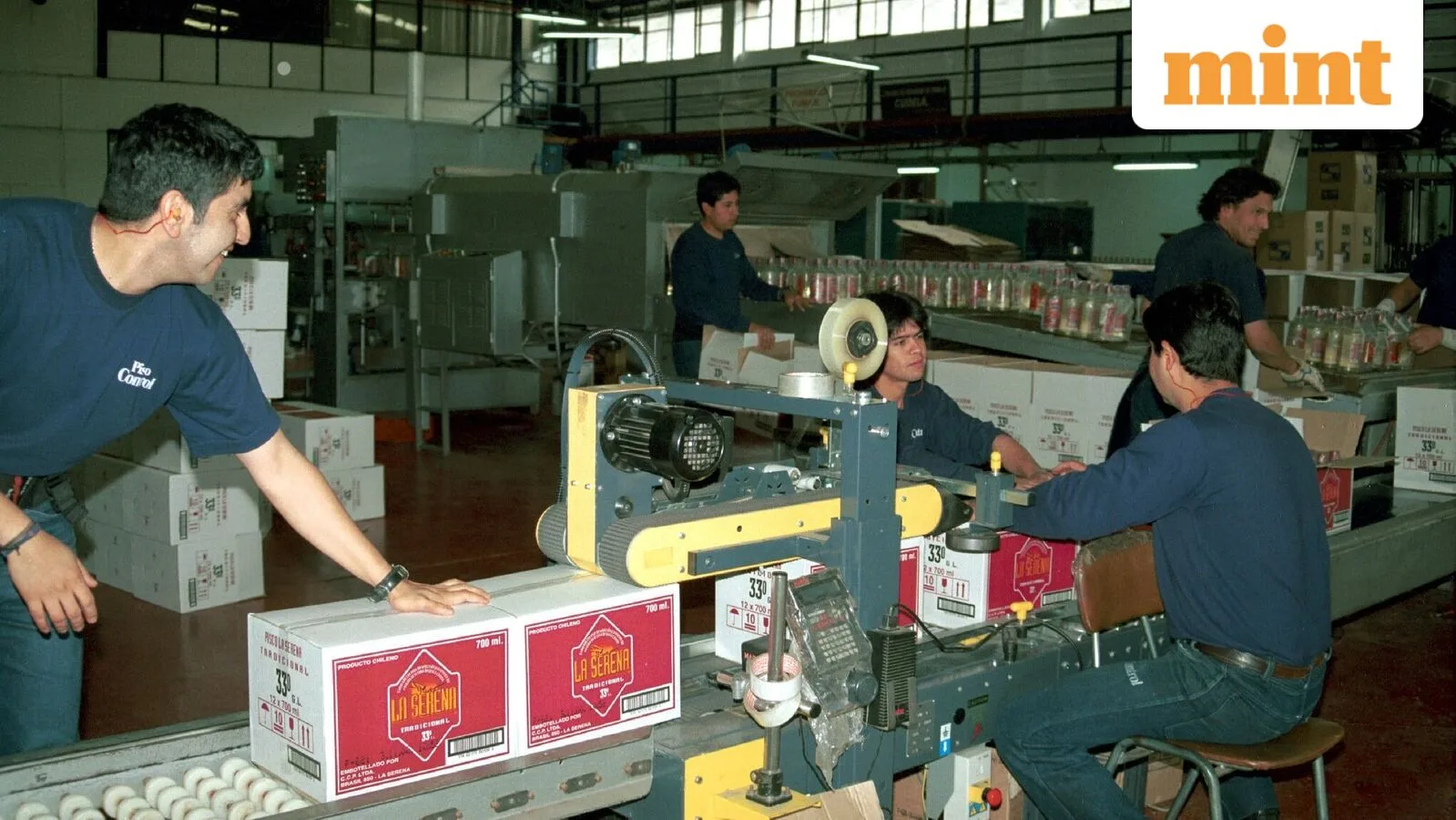
The Delhi High Court has delivered a pivotal judgment in the protracted dispute over the geographical indication (GI) rights for Pisco, the renowned South American grape brandy, declaring that the spirit belongs to both Peru and Chile within the Indian market. This landmark decision rejects Peru’s plea for exclusive rights, instead affirming the long-standing use of the "Pisco" designation by both nations for their distinctive alcoholic beverages. The ruling, issued by a division bench comprising Justices C. Hari Shankar and Om Prakash Shukla, underscores the principle that no single country can claim sole exclusivity over a GI when dual, established usage exists, particularly in cases of homonymous GIs.
The court’s pronouncement effectively upholds an earlier single-judge order, mandating that both Peruvian and Chilean Pisco can be sold in India, provided they are clearly labelled as "Peruvian Pisco" and "Chilean Pisco" respectively. This distinction is crucial for consumer clarity and ensures that the origin of the product is unambiguous. The bench observed that both Peru and Chile have demonstrably established a historical and continuous association with the "Pisco" mark for a significant period, making it legally untenable to grant exclusive GI protection to one nation alone. The detailed written judgment is eagerly anticipated by legal and industry stakeholders, as it is expected to elaborate further on the court’s reasoning and the intricate legal interpretations applied.
This judicial resolution concludes a nearly two-decade-long legal saga that began in 2005 when the Peruvian embassy first sought GI protection for Pisco in India, aiming for exclusive rights. Chilean producers swiftly opposed this move, presenting evidence of Pisco production in their regions, such as Coquimbo and Atacama, with historical records tracing back to as early as 1733. The initial phases of the dispute saw India’s GI registrar accepting Peru’s application in 2009, albeit with the qualifier "Peruvian Pisco" to mitigate potential consumer confusion. However, in 2018, the Intellectual Property Appellate Board (IPAB) overturned this, granting Peru sole rights, a decision that effectively excluded Chilean producers from the Indian market. This prompted Chilean associations to challenge the IPAB’s order before the Delhi High Court, leading to the single-bench ruling that allowed both countries to market their Pisco with origin-specific labels. Peru’s subsequent appeal to the division bench, which has now been dismissed, highlights the tenacity of this international intellectual property battle.
Pisco, a clear, potent grape brandy with an alcohol content typically around 42%, is a distillate of fermented grape must. Its origins are deeply intertwined with the colonial history of South America, with production recorded in Peru’s Ica Valley since the 16th century, primarily using the Quebranta grape variety. Similarly, Chile boasts a rich heritage of Pisco production, with specific regions developing distinct styles and traditions. For both nations, Pisco is more than just an alcoholic beverage; it is a profound cultural emblem, intrinsically linked to national identity, culinary traditions, and celebratory rituals, epitomized by the globally popular "Pisco Sour" cocktail. Peru vigorously argued that Pisco is an integral part of its cultural heritage and enjoys widespread global recognition as a Peruvian GI in 82 countries, contending that India’s stance caused irreparable harm to its national interest and reputation.
The broader context of this case lies within the complex framework of Geographical Indications (GIs) under international law, particularly the World Trade Organization’s Agreement on Trade-Related Aspects of Intellectual Property Rights (WTO TRIPS). GIs serve to identify products originating from a specific geographical region, where a particular quality, reputation, or other characteristic is essentially attributable to that geographical origin. Renowned examples include Darjeeling tea, Basmati rice, and Champagne. The Pisco dispute, however, centered on the challenging concept of "homonymous GIs" – geographical indication names that are identical but used for products originating from different places. This specific type of dispute often creates a legal quagmire, requiring courts to balance competing claims while upholding principles of fair trade and consumer protection. India’s judiciary, in this instance, has navigated these complex waters, setting a precedent for how such homonymous GI claims might be resolved in emerging markets.
From an economic perspective, the ruling carries significant implications for both Peruvian and Chilean Pisco producers. India, with its rapidly expanding economy and a burgeoning middle class, represents an increasingly attractive market for premium spirits. The Indian alcoholic beverage market is projected to grow significantly, driven by rising disposable incomes and a growing preference for premium and imported brands. While Pisco imports to India remain relatively niche, with only a few hundred cases annually primarily reaching high-end bars, mixology events, and luxury hotels, its presence is growing. It shares shelf space with other premium niche spirits such as grappa, mezcal, and armagnac, retailing in India typically between ₹3,200 and ₹4,400 per bottle, positioning it as an aspirational spirit. The court’s decision ensures that this growing market will now be open to competitive offerings from both South American nations, potentially stimulating greater investment in branding and distribution from both sides.
Global trade and intellectual property experts view this judgment as a crucial development for India’s GI framework and potentially for international GI law. An IP lawyer, commenting on the single-bench ruling, had described it as a landmark decision that would strengthen India’s GI framework by ensuring authentic products are properly labeled and protected. This latest ruling reinforces that sentiment, underscoring India’s commitment to balanced intellectual property rights enforcement. For countries seeking GI protection in India, this case highlights the rigorous scrutiny GIs will undergo, especially when contested. It suggests that historical usage and a clear, non-exclusive link to a single geography will be paramount considerations. The European Union, for example, places immense value on GIs, with the market for EU GI products estimated to be worth tens of billions of euros annually, underscoring the economic stakes involved in such disputes.
Looking ahead, the legal battle might not be entirely over, as Peru retains the option to seek relief from the Supreme Court of India. Should Peru pursue this avenue, the highest court’s pronouncement would further solidify India’s stance on homonymous GIs, potentially influencing similar disputes globally. Irrespective of future appeals, the current ruling provides a clear path for market entry and differentiation for both Peruvian and Chilean Pisco in India. It encourages a focus on brand identity, quality, and origin-specific marketing, allowing consumers to explore the distinct characteristics and cultural nuances of Pisco from both traditions. This legal clarity could foster healthy competition, expand the availability of Pisco varieties, and ultimately enrich the premium spirits landscape in one of the world’s most dynamic emerging markets. The judgment serves as a powerful reminder that in an interconnected global economy, the lines of cultural heritage and commercial rights often intersect in complex, fascinating ways.