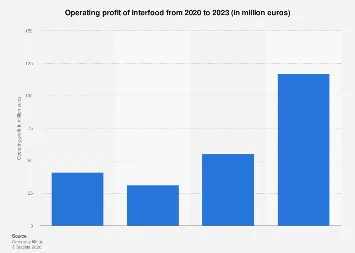
Interfood, a significant player in the global food ingredients sector, demonstrated a determined operational performance throughout 2023, navigating a complex economic landscape characterized by persistent inflation, supply chain recalibrations, and evolving consumer preferences. While specific profit figures for the full fiscal year require direct access to proprietary financial data, industry observers point to a strategic emphasis on optimizing operational efficiencies and bolstering profitability as key themes for the company during this period. This focus is particularly relevant given the broader economic headwinds impacting the food and beverage industry worldwide.
The global food ingredient market, a multifaceted arena encompassing everything from basic commodities to highly specialized functional additives, is inherently sensitive to macroeconomic shifts. In 2023, businesses like Interfood faced a dual challenge: managing rising input costs – for raw materials, energy, and logistics – while simultaneously striving to maintain competitive pricing for their B2B clients, who in turn serve increasingly price-conscious consumers. Companies that successfully integrated cost-control measures with strategic pricing adjustments were better positioned to protect their margins. The food ingredients sector is projected to grow at a compound annual growth rate (CAGR) of approximately 5-7% over the next five years, according to various market research reports, indicating underlying demand but also underscoring the competitive pressures within the sector.
Interfood’s operational profit in 2023, though not publicly detailed in the provided information, would be a critical indicator of its ability to translate revenue into tangible earnings. This metric, distinct from gross profit or net profit, specifically measures the profitability of a company’s core business operations before accounting for interest and taxes. A strong operational profit suggests robust management of day-to-day activities, effective cost of goods sold control, and efficient selling, general, and administrative (SG&A) expenses. For ingredient suppliers, this translates to how well they manage their procurement, manufacturing processes, and distribution networks.
Several factors likely influenced Interfood’s operational performance in 2023. The ongoing volatility in agricultural commodity prices, driven by geopolitical events, climate change impacts, and fluctuating global demand, presents a constant challenge. For instance, the price of key ingredients such as wheat, sugar, and edible oils experienced significant fluctuations throughout the year, directly impacting the cost base for ingredient manufacturers. Companies with strong supplier relationships, diversified sourcing strategies, and advanced hedging mechanisms would have been better equipped to mitigate these price shocks.
Furthermore, supply chain disruptions, while perhaps less acute than in the immediate post-pandemic period, continued to be a concern. Port congestion, labor shortages in key logistics hubs, and geopolitical tensions in various regions could still lead to delays and increased transportation costs. Interfood’s ability to maintain a resilient and agile supply chain would have been paramount in ensuring timely delivery to its customers and minimizing unexpected expenses. Investments in supply chain visibility technologies and closer collaboration with logistics partners are increasingly becoming standard practice for leading ingredient companies.
The demand side of the equation also played a crucial role. Consumer trends towards healthier, more sustainable, and plant-based food options continued to gain momentum in 2023. This has driven demand for specific types of ingredients, such as plant proteins, natural sweeteners, and clean-label additives. Companies that were agile enough to adapt their product portfolios to meet these evolving demands, perhaps through innovation or strategic acquisitions, would have found new avenues for growth and potentially higher-margin product offerings. Conversely, companies heavily reliant on legacy product lines facing declining consumer interest might have experienced pressure on their top line and, consequently, their operational profit.
The competitive landscape within the food ingredients sector is intense, featuring a mix of large multinational corporations and specialized niche players. Global players often benefit from economies of scale, extensive R&D capabilities, and broad geographic reach. However, smaller, more agile companies can often carve out profitable niches by focusing on specific product categories or offering highly customized solutions. Interfood’s market positioning and its ability to differentiate itself through product quality, innovation, customer service, and competitive pricing would have been key determinants of its financial outcomes.
Examining operational profit in the context of profitability Key Performance Indicators (KPIs) is essential. Beyond operational profit, metrics such as gross profit margin, operating profit margin, and net profit margin provide a more comprehensive view of a company’s financial health. An increasing operating profit margin, for example, would signal that Interfood is becoming more efficient at generating earnings from its core business activities, even if overall revenue growth is moderate. Conversely, a declining margin might indicate that cost pressures are outweighing pricing power or that investments in growth are temporarily suppressing profitability.
In terms of global comparisons, the performance of ingredient companies can vary significantly by region. Developed markets in North America and Europe often exhibit mature demand patterns with a strong emphasis on health, wellness, and sustainability. Emerging markets in Asia and Latin America, on the other hand, may present higher growth potential driven by rising disposable incomes and an expanding middle class, but also face unique challenges related to infrastructure, regulatory environments, and consumer price sensitivity. Interfood’s geographic footprint and its ability to tailor its offerings and operations to these diverse regional dynamics would have a direct bearing on its consolidated financial results.
Looking ahead, the strategic priorities for companies in the food ingredients sector are likely to remain focused on innovation, sustainability, and operational excellence. Investments in R&D to develop novel ingredients that meet evolving consumer demands, coupled with a commitment to sustainable sourcing and production practices, are becoming non-negotiable. Furthermore, the adoption of digital technologies for supply chain management, production optimization, and customer relationship management will be crucial for maintaining a competitive edge and enhancing profitability. Interfood’s strategic decisions in these areas will shape its performance in the years to come, with operational profit serving as a vital barometer of its success in navigating the dynamic global food ingredients market.