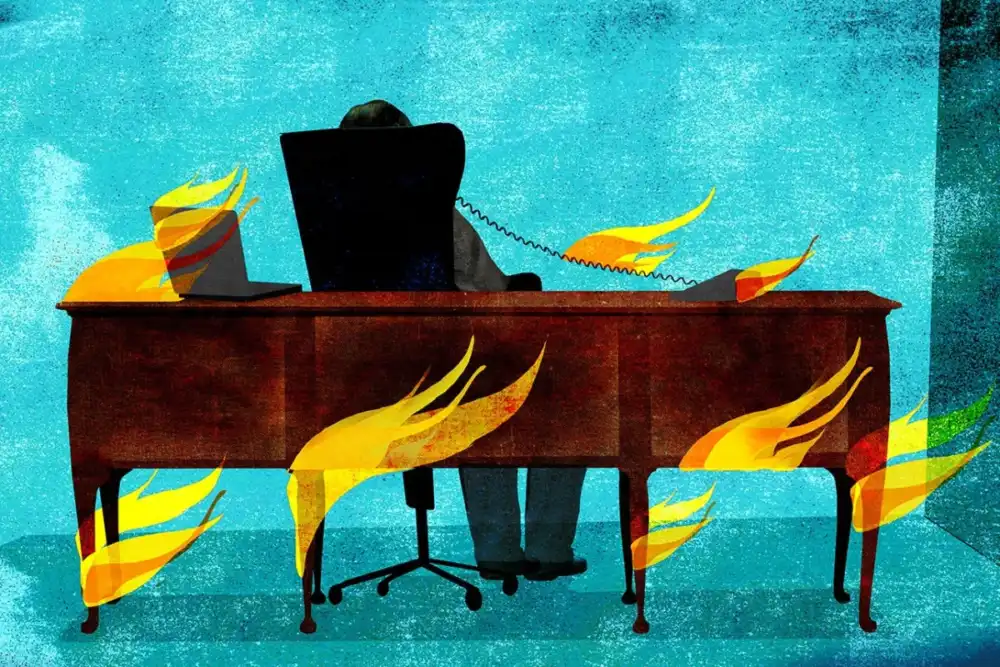
In an increasingly volatile global landscape, the traditional corporate stance of political neutrality is becoming an unsustainable luxury, compelling businesses to navigate complex societal issues with unprecedented transparency and conviction. Recent events, such as the contentious federal immigration operations in Minneapolis in late 2025 and early 2026, vividly illustrate this shifting paradigm. The deployment of U.S. Immigration and Customs Enforcement (ICE) and Customs and Border Protection agents, purportedly to apprehend individuals without legal status, quickly escalated into a series of violent confrontations, mass arrests, deaths in custody, and the high-profile shooting of protesters. These incidents sparked widespread public outcry and large-scale demonstrations, forcing local businesses to confront the unfolding crisis on their doorsteps. While dozens of Minnesota-based CEOs issued a joint statement advocating for de-escalation, a broader, more profound silence from much of the corporate sector, especially from companies with significant national or international footprints, was notably deafening. This reluctance to engage, however, is not merely a tactical choice; it reflects deeply entrenched myths about the role of business in society, myths that are increasingly at odds with contemporary stakeholder expectations and long-term economic imperatives.
History offers powerful precedents for moments when corporate America was compelled to abandon its political quietude. In the 1960s, as the U.S. Civil Rights Movement gained momentum, many businesses initially resisted taking a stand, fearing alienating customers or political backlash. Yet, the brutal images from Birmingham, Alabama, in 1963—police dogs attacking peaceful demonstrators, children being assaulted with high-pressure fire hoses—proved a watershed. Coupled with widespread economic boycotts of segregated establishments, these events forced local business leaders to intervene, pushing city officials towards desegregation commitments. Their actions, while partly motivated by ethical considerations, were undeniably influenced by the severe economic disruption and reputational damage. Two decades later, multinational corporations and academic institutions found themselves embroiled in the global anti-apartheid movement against South Africa. International divestment campaigns, championed by activists and institutional investors alike, exerted immense pressure. Companies like IBM and General Motors, initially resistant, ultimately faced the stark choice between maintaining operations in an ethically untenable regime and safeguarding their global brand equity and stakeholder trust. The eventual withdrawal or significant scaling back of operations by many firms underscored the long-term economic and reputational costs of aligning with an oppressive system, even if passively.
Today, the global business environment is arguably at a similar inflection point, characterized by rapid information dissemination, heightened social awareness, and an intricate web of interconnected political, environmental, and human rights challenges. From climate change and supply chain ethics to democratic backsliding and social justice movements, corporations are increasingly viewed not just as economic engines but as powerful societal actors with a moral obligation to contribute to the common good. The silence observed during the Minneapolis immigration crisis, much like the initial corporate reticence in Birmingham or during apartheid, represents a strategic gamble built upon a trio of outdated assumptions.
The first enduring myth is the assertion, "We don’t engage in politics." This claim crumbles under even cursory examination. Large corporations maintain extensive lobbying operations, deploying significant financial resources—often hundreds of millions annually across various sectors—to influence legislation, regulation, and trade policy at every level of government. Trade associations amplify these efforts, spending vast sums to shape the political discourse in their favor. The 2010 Citizens United Supreme Court decision, which effectively removed limits on independent political spending by corporations and unions, further cemented business as a central, undeniable force in the political arena. Companies routinely advocate for specific tax structures, environmental regulations, labor laws, and international trade agreements, all of which are inherently political. To suggest that business stands apart as a neutral observer is disingenuous; the real question is not if companies engage, but how and on which issues they choose to exert their considerable influence, and what message their silence sends.

The second pervasive misconception is that "Staying quiet reduces risk." This notion, while superficially appealing for its promise of avoiding controversy, often overlooks the profound and accumulating costs of inaction. While some companies have faced backlash for engaging on "hot-button" social issues—like Anheuser-Busch after a collaboration with a trans influencer, or Target for its LGBTQ+ pride merchandise—these incidents rarely present a clear-cut case for silence. Often, the backlash stems not just from the initial action but from the company’s subsequent handling of the criticism, or from a miscalculation of stakeholder alignment. Moreover, such controversies frequently originate from vocal, often politically motivated, minorities. Far more challenging to quantify, yet equally damaging, are the long-term costs of silence. What message does a company’s inaction send to its employees, particularly younger generations who increasingly prioritize ethical employers? A 2023 Deloitte survey, for instance, found that 75% of Gen Z and Millennials believe businesses should take a stand on societal issues. Silence can erode employee morale, fuel attrition, and hinder talent acquisition, especially in competitive markets where purpose-driven work is a significant differentiator. Similarly, customer loyalty can wane among segments who expect their favored brands to embody certain values. The experience of Target, which faced boycotts and declining sales after publicly scaling back its diversity and inclusion efforts in early 2025, underscores this. Many Black community members, long allies of the retailer, felt betrayed, transforming their displeasure into tangible economic pain. Silence, therefore, is not a neutral position; it is a communication, and often a costly one, leading to lost trust, diminished brand equity, and a damaged social license to operate.
Finally, the myth that "It’s not our job" perpetuates a dangerously narrow view of corporate responsibility. This argument often rests on the outdated premise that a company’s sole mandate is to maximize short-term shareholder value. However, the landscape of corporate governance has evolved significantly, embracing stakeholder capitalism, which recognizes the interconnected interests of employees, customers, suppliers, communities, and the environment. Executives, as individuals, are deeply embedded in families and communities, and their professional decisions inevitably impact these spheres. The sheer economic power of modern corporations further complicates this stance. The Fortune 500 companies alone reported nearly $1.9 trillion in profits recently, wielding influence that rivals many nation-states. With such immense power comes commensurate responsibility. Businesses cannot thrive in failing societies; political instability, human rights abuses, and the erosion of democratic institutions create volatile markets, disrupt supply chains, and diminish consumer confidence. Ignoring these foundational issues undercuts the very conditions necessary for long-term economic success. The argument that certain issues fall outside the business mandate disregards the fundamental truth that a healthy society is a prerequisite for a healthy economy.
To navigate this complex terrain, corporate leaders must adopt a more proactive and principled approach. First, acknowledging that silence on major societal issues is itself a high-risk decision is paramount. While "quiet activism"—subtly championing issues like sustainability—has its place, it often falls short when core democratic norms or human rights are under overt attack. Second, companies must clearly articulate their "red lines" and decision thresholds in advance. What specific events or conditions would necessitate a public statement or action? Pre-determining these scenarios allows for intentional, values-driven responses rather than reactive, fear-based ones during a crisis. Third, reducing every decision to a narrow cost-benefit analysis is insufficient. Issues concerning human rights, climate stability, or the integrity of democratic institutions carry costs that cannot be cleanly priced on a balance sheet but represent existential threats to both society and, by extension, business.
Fourth, broadening the circle of perspective and advice beyond legal and communications teams is crucial. Engaging with employees, community leaders, non-governmental organizations, and business groups focused on sustainability and resilience can provide invaluable insights and help identify potential blind spots. Finally, and perhaps most importantly, collective action offers both cover and amplified impact. From historical support for civil rights to contemporary climate commitments (e.g., the "We Are Still In" initiative after the U.S. withdrew from the Paris Agreement), coalitions of businesses have consistently demonstrated that shared courage mitigates individual risk and strengthens the overall message. In an environment where individual leaders might face personal or corporate backlash, standing together provides a bulwark against undue pressure and enhances credibility.
The CEO’s role has undeniably expanded, moving beyond Michael Porter’s five forces of competition to encompass a broader responsibility for societal well-being. Tempting as it may be to hope for a return to simpler times, the interconnected challenges of political instability, geopolitical conflict, climate change, and social injustice mean that a passive "wait-and-see" strategy is no longer viable. Corporate leaders are not merely economic agents; they are stewards of powerful institutions with the capacity to shape the future. Postponing engagement until the world feels stable is to wait indefinitely. Silence is a strategy, but in an era of unprecedented global challenges, it is a strategy no business, nor society, can afford.