The phenomenon of "enshittification," a term popularized by technology journalist Cory Doctorow, initially described the progressive degradation of user experience on digital platforms like social media networks and e-commerce giants. Doctorow posited a three-stage decline: first, platforms attract users with compelling utility; then, they exploit these users to extract value for business customers, often through intrusive advertising or prioritizing paid content; finally, with both users and businesses locked in, the platform extracts maximum profit, leading to a diminished experience for all. This conceptual framework, which resonated widely enough to be named the American Dialect Society’s word of the year in 2023, is now increasingly applicable beyond the purely digital realm, manifesting in the burgeoning sector of physical "smart" products and the Internet of Things (IoT).
The integration of digital capabilities into traditional physical goods, from automobiles to home appliances, has heralded an era of unprecedented connectivity and functionality. Manufacturers initially championed these innovations as pathways to enhanced user experience, greater convenience, and novel value propositions. However, this digital infusion has simultaneously endowed companies with an extraordinary degree of post-purchase control over their products. This control, underpinned by embedded sensors, firmware, software, and constant internet connectivity, creates new business models that, while lucrative for corporations, often lead to practices reminiscent of platform enshittification, jeopardizing consumer ownership and long-term satisfaction.
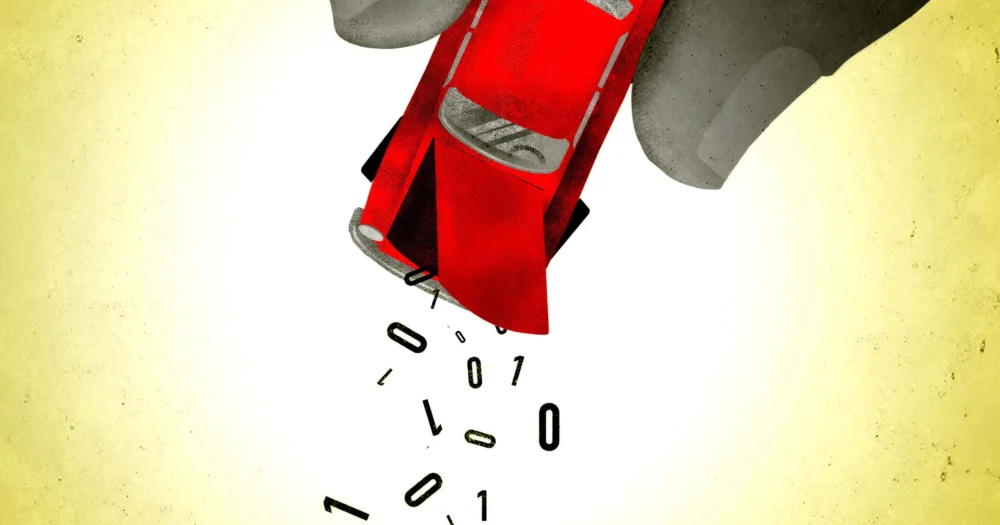
One of the primary avenues for this digital value extraction is the monetization of user data. Products equipped with telemetry systems, originally designed for beneficial purposes such as navigation, safety, or performance monitoring, now routinely collect vast amounts of granular data on user behavior. Modern vehicles, for instance, track driving patterns, routes, speed, and even braking habits. Automotive giants like General Motors and Ford have been reported to sell this driving data to insurance companies, advertisers, and third-party analytics firms, often without explicit, fully informed consent from the vehicle owner. This transforms a consumer’s personal property into a continuous data-generating asset for the manufacturer, creating opaque revenue streams that were unforeseen at the point of sale.
Beyond data exploitation, manufacturers are increasingly leveraging digital control to implement subscription-based models for features that were once considered inherent to a product’s functionality. The automotive industry again provides stark examples, where features like heated seats, remote start, or advanced driver-assistance systems are locked behind recurring monthly or annual fees, even after the consumer has purchased the physical hardware. This model shifts the financial burden from a one-time capital expenditure to an ongoing operational cost, fundamentally altering the traditional understanding of product ownership. Similarly, smart home devices, from security cameras to kitchen appliances, often offer basic functionality freely but reserve advanced features, cloud storage, or AI-powered analytics for premium subscriptions. This trend is projected to significantly boost recurring revenue for companies, with the global IoT subscription market expected to grow at a compound annual growth rate (CAGR) exceeding 20% in the coming years, reaching hundreds of billions of dollars annually.

The economic rationale for companies adopting these strategies is clear: they offer diversified revenue streams, enhance customer lifetime value (CLTV), and foster a more predictable financial outlook through recurring income. In an increasingly competitive global market, the pursuit of these advantages drives corporations to explore every avenue for monetization. However, this pursuit often comes at the expense of consumer trust and the fundamental concept of ownership. When a physical product, for which a consumer has paid a significant sum, can have its functionality altered, degraded, or locked away by the manufacturer remotely, the traditional sense of proprietary rights is severely undermined.
Moreover, the digital nature of these products introduces new vectors for planned obsolescence and diminished product longevity. Manufacturers can cease supporting older models through software updates, rendering them vulnerable to security threats or incompatible with newer ecosystem components. In some cases, software updates have been reported to intentionally degrade performance to encourage upgrades. This practice runs counter to consumer expectations of durability and long-term utility for physical goods, especially high-value items like vehicles or major appliances. The "right to repair" movement, gaining traction in various jurisdictions including the European Union and several U.S. states, directly addresses this issue, advocating for consumer access to repair manuals, diagnostic tools, and parts, which digital lock-ins frequently obstruct.
The long-term consequences of this "enshittification" extend beyond individual consumer frustration. At a macro-economic level, it risks stifling innovation if consumers become wary of adopting new smart technologies due to concerns over privacy, hidden costs, or diminished control. It also fosters a market environment where competitive advantage shifts from superior product design and durability to sophisticated digital lock-in mechanisms. Regulatory bodies globally are beginning to take notice, examining issues related to data privacy, anti-competitive practices, and consumer protection in the IoT space. The European Union’s General Data Protection Regulation (GDPR) and various U.S. state privacy laws like the California Consumer Privacy Act (CCPA) are foundational steps, but the unique challenges posed by digitally controlled physical products require more nuanced legislative responses.
Ultimately, the trajectory towards digitally mediated exploitation represents a critical juncture for both industry and consumers. While the initial promise of smart products—greater efficiency, convenience, and interconnectedness—remains potent, the current trend of value extraction risks transforming these innovations into sources of perpetual frustration and financial burden. For companies, there is a clear imperative to balance revenue generation with ethical design and transparent business practices. Prioritizing genuine customer value, respecting traditional ownership norms, and offering clear, opt-in consent for data usage and feature subscriptions will be crucial in rebuilding and maintaining consumer trust. Failing to do so risks a significant backlash, regulatory intervention, and a broader erosion of confidence in the very technologies designed to enhance our lives. The path forward demands a conscious choice to prioritize long-term customer relationships over short-term digital exploitation, ensuring that smart products truly enrich, rather than diminish, the consumer experience.