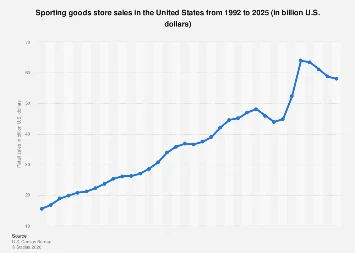
The United States sporting goods retail sector is projected to experience a notable downturn in sales through 2025, marking a continuation of a downward trajectory observed since 2021. This anticipated contraction, reaching an estimated [Insert Specific Billion Dollar Figure Here, e.g., $XX] billion in sales, reflects a complex interplay of macroeconomic pressures, evolving consumer preferences, and the sustained ascendancy of digital commerce over brick-and-mortar establishments. While the overall retail landscape has faced headwinds, the sporting goods segment, historically a robust indicator of consumer discretionary spending and active lifestyles, is undergoing a significant recalibration. This analysis delves into the contributing factors, the resilience of key market segments, and the strategic imperatives for retailers navigating this challenging environment.
The athletic apparel market, a cornerstone of the broader sporting goods industry, remains a globally significant and lucrative segment, exhibiting a consistent growth trajectory year over year. This persistent expansion is largely driven by a confluence of factors, including increasing global participation in sports and fitness activities, a growing emphasis on health and wellness, and the pervasive influence of athleisure wear as a mainstream fashion choice. Dominating this landscape are titans like Nike and adidas, who, by a considerable margin, command the largest shares of the global sportswear market. Their sustained market leadership is a testament to their robust brand equity, extensive product innovation, and sophisticated global supply chains. These industry giants are not merely participants but architects of the market, consistently setting trends and influencing consumer purchasing decisions.
Beyond these undisputed leaders, a cohort of other major players contributes significantly to the market’s dynamism. Companies such as Puma, lululemon, and Under Armour have carved out substantial niches, catering to diverse consumer needs and market segments. Lululemon, in particular, has demonstrated remarkable success in the premium athleisure space, redefining activewear as both functional and fashionable. Under Armour, while facing its own set of challenges, continues to innovate in performance-oriented apparel. The competitive intensity within this segment fuels ongoing investment in research and development, pushing the boundaries of material science, design, and sustainable manufacturing practices. Nike’s influence extends beyond athletic apparel; the company consistently ranks as the world’s leading apparel brand overall, underscoring its profound impact on consumer culture and retail strategies across the entire fashion spectrum. This brand dominance provides Nike with a formidable advantage, allowing it to leverage its reputation for quality and innovation across multiple product categories and consumer touchpoints.
Complementing the apparel segment is the equally vital athletic footwear market, which consistently generates billions of dollars in revenue within the United States alone, solidifying its position as an indispensable component of the sporting goods industry. This segment’s economic significance is amplified by its direct correlation with athletic performance, lifestyle choices, and fashion trends. Demonstrating its enduring dominance, Nike once again stands as the global leader in this domain, reporting footwear revenues that surpass the combined figures of its closest major competitors, adidas and Puma. This remarkable performance is attributed to Nike’s extensive portfolio of iconic brands, its pioneering technologies in cushioning and support, and its ability to connect with consumers through aspirational marketing campaigns and endorsements of elite athletes. The brand’s deep roots in athletic heritage, coupled with its forward-thinking approach to design and innovation, have cemented its position as the go-to choice for a vast array of consumers, from professional athletes to casual wearers seeking comfort and style.
The widening chasm between online and physical retail channels presents a significant challenge for traditional sporting goods stores. Consumers are increasingly opting for the convenience, wider selection, and competitive pricing offered by e-commerce platforms. This shift necessitates a strategic reevaluation of the role and format of brick-and-mortar stores. Rather than solely serving as points of transaction, these physical spaces must evolve into experiential hubs that offer personalized service, community engagement, and opportunities for product trial and demonstration that cannot be replicated online. Retailers who can successfully integrate their online and offline operations, creating a seamless omnichannel experience, are better positioned to retain and attract customers. This includes leveraging in-store technology, offering click-and-collect services, and creating engaging in-store events that foster brand loyalty and a sense of belonging.
Furthermore, the economic climate plays a crucial role in shaping consumer spending on discretionary items like sporting goods. Inflationary pressures, rising interest rates, and broader economic uncertainty can lead consumers to curtail spending on non-essential purchases, opting instead for more basic necessities. Sporting goods, often perceived as premium or aspirational purchases, can be particularly vulnerable during periods of economic contraction. Retailers must therefore be adept at understanding and responding to these macroeconomic shifts, potentially by offering value-oriented product lines, flexible payment options, or emphasizing the long-term value and durability of their offerings. The ability to adapt pricing strategies and promotional activities to align with consumer sentiment during economic downturns will be critical for survival and eventual recovery.
The global comparison of sporting goods markets reveals varying degrees of resilience and growth. While some emerging markets are experiencing robust expansion driven by increasing disposable incomes and a burgeoning middle class, more mature markets like the United States are contending with saturation and the aforementioned structural shifts in retail. Countries in Asia, for instance, are witnessing significant growth in athletic participation and a corresponding rise in demand for sporting goods, presenting opportunities for global brands to expand their footprint. However, these markets also come with their own unique consumer preferences, regulatory environments, and competitive landscapes that require tailored strategies. Understanding these regional nuances is paramount for any global sporting goods player aiming for sustained international success.
The economic impact analysis of this sales contraction extends beyond the immediate retail sector. A downturn in sporting goods sales can have ripple effects on manufacturers, distributors, marketers, and even the sports and fitness industries that rely on this retail ecosystem. Job losses, reduced investment in product development, and a slowdown in innovation are potential consequences. Conversely, a resurgent sporting goods market can stimulate economic activity, create employment opportunities, and foster a healthier, more active population. Therefore, the health of the sporting goods retail sector is not merely an indicator of commercial success but also a contributor to broader economic well-being and public health initiatives. Strategic foresight, agile adaptation, and a deep understanding of evolving consumer behavior will be indispensable for stakeholders seeking to navigate the current challenges and capitalize on future opportunities within this dynamic and critically important industry. The emphasis on sustainability, ethical sourcing, and personalized consumer experiences will likely become even more pronounced as brands strive to connect with a more conscious and discerning global consumer base.