The concept of a circular economy, once primarily a sustainability buzzword and a corporate social responsibility checkbox, has profoundly transformed into a strategic imperative for Indian businesses. This shift is not merely driven by environmental consciousness but by the stark realities of a volatile macroeconomic landscape, where surging raw material costs, increasingly fragile global supply chains, and escalating transportation expenses relentlessly erode profit margins. For companies navigating this turbulent environment, embracing circular principles—designing waste out of the system, keeping products and materials in use, and regenerating natural systems—has evolved from an aspirational goal to an undeniable economic necessity, offering a compelling pathway to enhanced resilience and competitive advantage.
Globally, the circular economy is projected to unlock an estimated $4.5 trillion in economic value by 2030, according to analyses by firms like Accenture. For India, a rapidly industrializing nation with a vast consumer market and significant resource dependencies, this transition holds immense promise. Historically, India has inadvertently practiced elements of circularity through its deeply ingrained traditions of repair, reuse, and resourcefulness. However, the modern corporate embrace of these principles is far more systematic, driven by sophisticated business models and technological innovation. Experts note that true circularity thrives only when it generates tangible commercial value, creating a robust "economy" around the collection, processing, and reintroduction of materials.
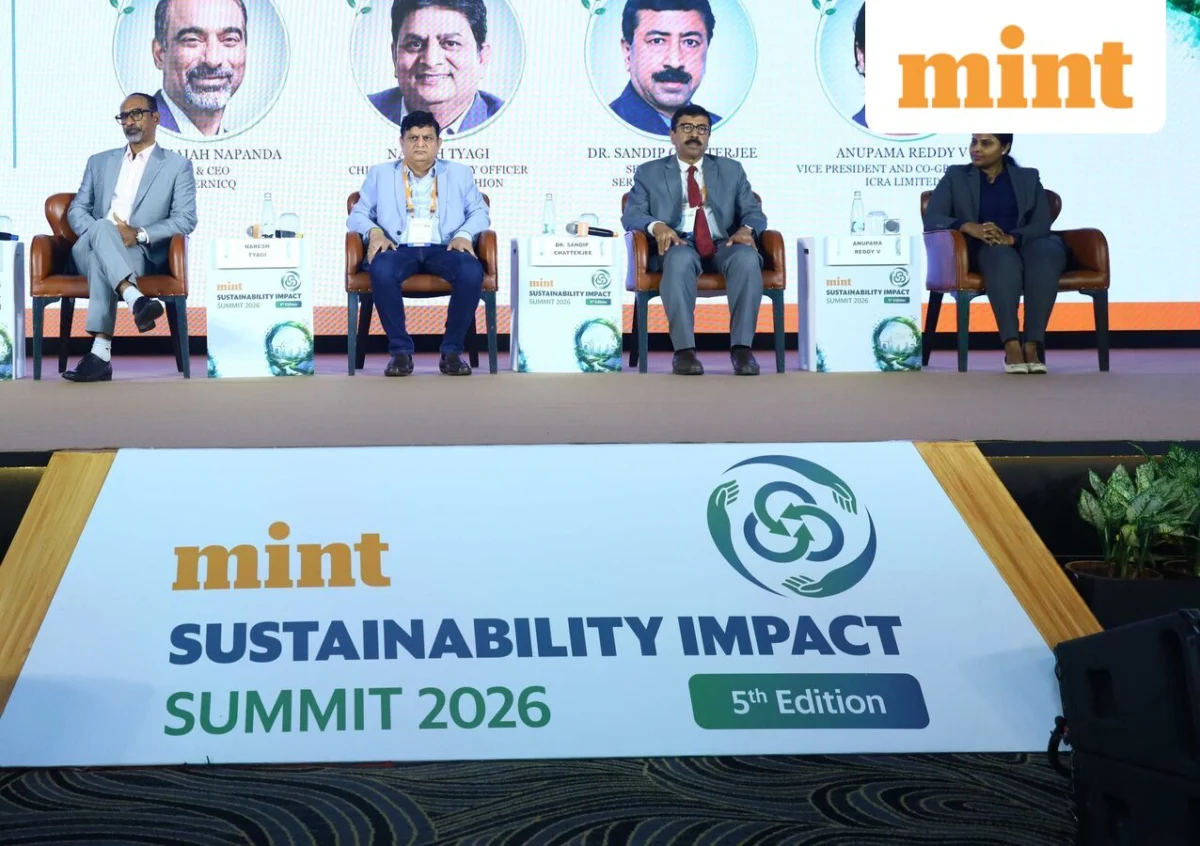
One of the most immediate and impactful areas where this shift is evident is in the packaging sector. Thimmaiah Napanda, managing director and chief executive of Alternicq, a prominent plastic packaging producer, highlights India’s long-standing success in newspaper recycling as a prime example of a functioning circular system. For decades, old newspapers have been consistently collected and repurposed as raw material for new paper products, establishing a steady, commercially viable market for waste paper. This historical precedent underscores the critical need for a well-structured collection and processing infrastructure across all material streams to ensure effective recyclability. Napanda stresses that manufacturers must prioritize "design for recyclability," ensuring products can be efficiently converted back into equivalent products after their initial use, thereby closing material loops. This approach not only conserves resources but also mitigates the financial risks associated with fluctuating virgin material prices.
The fashion industry, often criticized for its linear "take-make-dispose" model, is also undergoing a significant transformation. Naresh Tyagi, chief sustainability officer at Aditya Birla Fashion, points out that Indian households have traditionally embodied circular practices long before they entered corporate boardrooms. The principles of repairing, reusing, and passing down garments through generations are now being systematically integrated into modern manufacturing processes. Tyagi illustrates this with a compelling example: his company has dramatically reduced the packaging material per shirt from 185 grams, spread across 22 separate items almost a decade ago, to a mere 62 grams today. This substantial reduction not only eliminates unnecessary plastic but also translates into significant cost savings, transforming what was once "throwing money to the landfill" into a more economically sound and environmentally responsible practice. The global textile waste problem is monumental, with an estimated 92 million tons generated annually. Innovations in fiber-to-fiber recycling, material science for durable and recyclable fabrics, and the growth of resale and rental markets are critical for achieving circularity in this sector, moving beyond mere packaging reduction to fundamental product lifecycle redesign.
The electronics industry faces an equally pressing challenge and opportunity. India’s rapidly expanding electronics market generates millions of tons of electronic waste (e-waste) each year, a figure that continues to grow exponentially. According to the Central Pollution Control Board (CPCB), India generated over 1.6 million tonnes of e-waste in 2021-22, yet formal recycling rates remain low. Dr. Sandip Chatterjee, senior adviser at Sustainable Electronics Recycling International (SERI) and a former secretary at the Ministry of Electronics and Information Technology, emphasizes that discarded devices represent a burgeoning source of valuable metals that India has yet to fully recover. The informal sector, while providing livelihoods, processes a significant portion of this waste, often using rudimentary and environmentally damaging methods. Chatterjee warns that this informal processing leads to a loss of up to 70% of high-value materials, including gold, silver, platinum, copper, and rare earth elements, which are crucial for advanced technologies and often imported at high cost.
The economic implications of this loss are staggering. Recovering these materials domestically could significantly reduce India’s reliance on imported virgin resources, bolster its strategic mineral security, and create a new segment of high-tech recycling jobs. Chatterjee advocates for greater investment in formal repair and refurbishment facilities, which could unlock substantial value without requiring massive capital expenditure. He highlights that products like smartphones and laptops frequently reach the end of their first ownership cycle long before they become technologically obsolete. Encouraging refurbishment extends product lifecycles, reduces demand for new devices, and fosters a more sustainable consumption model, aligning with global trends towards greater product longevity. Extended Producer Responsibility (EPR) regulations in India aim to formalize e-waste collection and recycling, but their effective implementation, particularly in integrating and upskilling the informal sector, remains a critical area for development.
The infrastructure sector, a cornerstone of India’s economic development, is also embracing circular practices as construction activity accelerates nationwide. Anupama Reddy V., vice president and co-group head at Icra Ltd., asserts that for the highway and real estate sectors, the circular economy is no longer a luxury but an absolute necessity for managing costs. Construction and demolition waste constitute a massive portion of India’s total waste stream. By integrating industrial byproducts into mainstream construction materials, companies are finding innovative ways to reduce material costs and minimize environmental impact. Reddy points to the widespread use of fly ash from thermal power plants and slag from steel production in cement manufacturing. This industrial symbiosis transforms one industry’s waste into another’s valuable raw material, simultaneously reducing disposal costs, lowering the carbon footprint associated with virgin material extraction, and decreasing dependence on finite natural resources. Innovations in green concrete, recycled aggregates, and modular construction techniques further exemplify this shift, offering pathways to build more sustainably and economically.
Beyond these specific sectors, the broader implications for the Indian economy are profound. A robust circular economy can foster job creation in new sectors such as repair, remanufacturing, and advanced recycling. It can enhance energy efficiency, reduce greenhouse gas emissions by minimizing resource extraction and processing, and improve resource security by diversifying material sources. Moreover, it aligns with India’s commitments under international agreements like the Paris Accord and its domestic goals for sustainable development. Policy frameworks, including updated waste management rules, incentives for circular business models, and standardization of recycled content, are crucial enablers. The role of digital technologies, such as IoT for asset tracking, AI for waste sorting, and blockchain for supply chain transparency, will be pivotal in optimizing circular flows.
The narrative across Indian industries is clear: the pursuit of circularity has moved beyond mere environmental altruism. It is now fundamentally intertwined with improving profitability, enhancing operational efficiency, and building long-term business resilience in an increasingly resource-constrained and volatile world. Instead of viewing circularity as a mere "virtuous checkbox," businesses are recognizing its potential to drive competitiveness and unlock new avenues for economic growth. This paradigm shift positions India not just as a follower but as a potential leader in the global transition towards a more sustainable and economically robust circular economy.