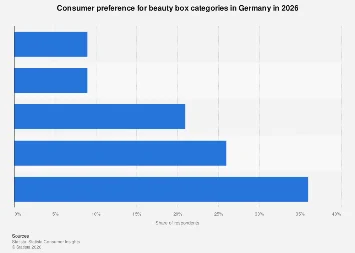
The German beauty box market is poised for continued evolution, with consumer preferences indicating a distinct shift towards curated, personalized experiences. By 2026, the landscape is expected to be shaped by a growing demand for bespoke selections that cater to individual skincare needs, ethical considerations, and the desire for discovery. This trend signals a move away from generalized offerings towards more sophisticated, data-driven subscription models.
Current market analysis reveals that while the overall beauty subscription box sector in Germany has seen steady growth, the types of boxes that resonate most with consumers are those offering a higher degree of customization. This includes a strong emphasis on personalized skincare routines, addressing specific skin concerns such as aging, acne, or sensitivity. Furthermore, eco-conscious consumers are increasingly scrutinizing the environmental impact of product packaging and sourcing, driving demand for brands that prioritize sustainability and natural ingredients. This aligns with a broader global trend where consumers are willing to pay a premium for products that reflect their values.
Looking ahead to 2026, projections suggest that beauty boxes focusing on niche categories will gain significant traction. This could encompass specialized boxes for men’s grooming, vegan and cruelty-free cosmetics, or even curated selections for specific age groups or lifestyle preferences. The success of these niche offerings will hinge on the ability of subscription services to accurately identify and cater to these distinct consumer segments. Data analytics and artificial intelligence will likely play a crucial role in understanding individual customer profiles, enabling companies to deliver truly personalized recommendations and product assortments.
The German beauty market, valued at approximately €14 billion in 2022, has shown resilience and adaptability. Within this, the online beauty retail segment has experienced accelerated growth, further bolstering the potential for subscription-based models. Industry reports indicate that beauty subscription boxes in Germany, while representing a smaller fraction of the overall market, are a high-growth segment, projected to expand at a compound annual growth rate (CAGR) of over 8% in the coming years. This growth is fueled by the convenience, value proposition, and the element of surprise that beauty boxes offer.
Consumer behavior studies highlight several key drivers for the increasing popularity of beauty boxes. Firstly, the "discovery" aspect is paramount; consumers enjoy trying new brands and products without the commitment of purchasing full-sized items. This is particularly true for emerging or independent beauty brands that may have limited distribution channels. Secondly, the perceived value for money is a significant factor. Many subscription boxes offer a retail value that significantly exceeds the subscription cost, making them an attractive proposition for budget-conscious shoppers. Thirdly, the convenience of regular, doorstep delivery aligns with the busy lifestyles of many German consumers.
However, the market is not without its challenges. Subscription fatigue is a growing concern, as consumers are bombarded with numerous subscription offers across various categories. To combat this, beauty box providers must continuously innovate and demonstrate tangible value. This involves not only the quality and relevance of the products but also the unboxing experience, customer service, and community engagement. Building a loyal customer base requires more than just delivering products; it involves fostering a sense of belonging and providing ongoing value beyond the physical contents of the box.
Expert analysis suggests that the most successful beauty box models in 2026 will be those that integrate seamlessly with broader beauty ecosystems. This could include partnerships with online beauty retailers, direct-to-consumer brands, or even beauty influencers. Such collaborations can enhance product sourcing, marketing reach, and customer acquisition strategies. Furthermore, the increasing importance of sustainability and ethical sourcing will necessitate transparency in product ingredients, manufacturing processes, and packaging. Brands that can clearly communicate their commitment to these values will likely gain a competitive edge.
The competitive landscape for beauty boxes in Germany is diverse, featuring both large international players and smaller, specialized local businesses. International companies often leverage economies of scale and established brand recognition, while local operators can excel in understanding nuanced regional preferences and building stronger community connections. The ability to adapt to evolving consumer demands, particularly regarding personalization and ethical considerations, will be critical for all players to maintain and grow their market share.
Looking at global comparisons, the German beauty box market shares similarities with other mature markets like the United States and the United Kingdom, where personalization and ethical consumerism are also key drivers. However, Germany’s strong emphasis on quality, ingredient transparency, and environmental consciousness sets it apart. This means that beauty box providers targeting the German market must be particularly diligent in their product selection and communication strategies.
The economic impact of the beauty box sector, while not a standalone major industry, contributes to the broader beauty and e-commerce sectors. It stimulates demand for beauty products, supports smaller brands by providing a platform for exposure, and creates jobs in logistics, marketing, and customer service. As the sector matures, it also drives innovation in packaging, supply chain management, and digital marketing techniques. The continued growth of this segment indicates a healthy and dynamic consumer goods market in Germany.
In conclusion, the future of the German beauty box market through 2026 is characterized by a clear trajectory towards hyper-personalization, ethical sourcing, and niche specialization. Consumers are no longer satisfied with generic assortments; they seek curated experiences that align with their individual needs, values, and aspirations. Companies that can effectively leverage data, embrace sustainability, and foster authentic customer relationships will be best positioned to thrive in this evolving and increasingly sophisticated market. The emphasis will undoubtedly shift from simply delivering products to delivering highly tailored and value-driven beauty journeys.