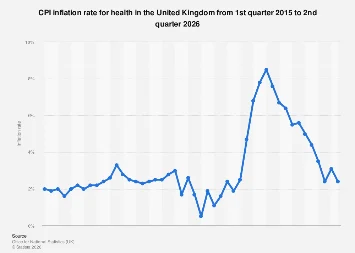
The United Kingdom’s healthcare sector is poised to navigate a landscape of sustained inflationary headwinds, with projections indicating that price increases within the industry will remain elevated through at least 2026. This prolonged period of rising costs poses significant challenges for the National Health Service (NHS), private healthcare providers, and ultimately, the affordability of healthcare services for the UK population. While specific figures for future inflation rates can fluctuate based on a multitude of economic variables, current trends and expert analyses suggest a persistent upward trajectory for healthcare-related expenses.
Several interconnected factors are contributing to this projected inflationary environment. A primary driver is the global economic climate, characterized by ongoing supply chain disruptions, geopolitical instability, and increased energy prices. These macro-economic forces directly impact the cost of goods and services essential to healthcare delivery. For instance, the procurement of pharmaceuticals, medical devices, and essential equipment is highly susceptible to international market fluctuations. Higher shipping costs, raw material price surges, and currency devaluations can all translate into increased import costs for the UK healthcare system.
Furthermore, the healthcare sector itself is experiencing unique inflationary pressures. A critical component is the escalating cost of labor. The UK, like many developed nations, faces a growing shortage of skilled healthcare professionals, including doctors, nurses, and specialized technicians. To attract and retain this vital workforce, healthcare employers are compelled to offer more competitive salaries and benefits packages, directly contributing to increased operational expenditure. This labor cost inflation is further exacerbated by the rising cost of living, which necessitates higher wages to maintain staff morale and prevent attrition.
The demand for healthcare services also plays a significant role. An aging population, coupled with advancements in medical technology that enable more complex and costly treatments, continues to drive up demand. As demand intensifies, providers may find themselves in a position to pass on some of their increased costs to consumers or taxpayers, particularly in areas where competition is limited or service provision is highly specialized. This dynamic can create a feedback loop, where rising demand fuels price increases, which in turn can impact access and affordability.
Examining international comparisons provides further context. Many developed economies are grappling with similar healthcare inflation challenges. In the United States, for example, healthcare spending has consistently outpaced general inflation for decades, driven by a complex interplay of technological innovation, a fee-for-service model, and administrative costs. European nations, while often operating under more heavily regulated and publicly funded systems, are not immune. Countries like Germany and France have also reported rising healthcare expenditures, necessitating ongoing reforms to ensure financial sustainability. The UK’s situation, therefore, is part of a broader global trend, albeit with specific national characteristics.
The implications of sustained healthcare inflation for the UK economy are multifaceted. For the government, it means increased pressure on public finances. The NHS, already a significant portion of public spending, will likely require larger budgetary allocations to maintain current service levels, let alone accommodate expansion or improvements. This could lead to difficult fiscal decisions, potentially impacting other public services or requiring tax increases.
For private healthcare providers and insurers, the challenge is to balance rising operational costs with market demand and regulatory oversight. Profit margins may be squeezed, leading to potential consolidation within the industry or a shift in service offerings. For consumers, it could translate into higher out-of-pocket expenses for private treatments, increased insurance premiums, or longer waiting times for publicly funded services if capacity cannot keep pace with demand and cost increases.
Statistical projections, while subject to revision, offer a glimpse into the potential scale of the issue. While a precise consensus figure for UK health inflation in 2026 is not yet firmly established, analyses of current trends by economic research firms and industry bodies suggest that healthcare cost growth could consistently outpace general inflation by several percentage points annually. For instance, if general inflation stabilizes around 2-3%, healthcare inflation might be projected to be in the range of 5-7% or higher, depending on specific sub-sectors and policy interventions. This differential growth rate is a key indicator of the persistent pressure on the sector.
The pharmaceutical sector, in particular, often exhibits distinct inflationary patterns. The development and patenting of new drugs are incredibly costly, and companies seek to recoup these investments. While governments often negotiate drug prices, the introduction of novel, high-cost therapies can significantly impact overall healthcare expenditure. Similarly, the medical technology market is characterized by rapid innovation, which, while beneficial for patient outcomes, often comes with a premium price tag.
Addressing this complex challenge requires a multi-pronged approach. Policy interventions aimed at increasing the efficiency of healthcare delivery, such as greater adoption of digital health solutions and streamlined administrative processes, could help mitigate cost increases. Investing in preventative healthcare and public health initiatives can also reduce the long-term demand for more expensive acute treatments. Furthermore, strategies to bolster the healthcare workforce, including training, recruitment, and retention programs, are crucial for managing labor costs and ensuring adequate service provision.
The economic impact extends beyond direct healthcare spending. Higher healthcare costs can affect household budgets, impacting disposable income and consumer spending in other sectors. For businesses, the cost of employee health benefits is a significant operating expense, and rising premiums can affect profitability and competitiveness. In a globalized economy, the ability of a nation to provide affordable and accessible healthcare is also a factor in attracting talent and investment.
As the UK navigates the coming years, the persistent inflationary pressures on its healthcare sector will undoubtedly remain a critical economic and social issue. The ability of policymakers, providers, and stakeholders to effectively manage these costs will be paramount in ensuring the continued viability and quality of healthcare services for the nation. Continuous monitoring of economic indicators, coupled with proactive and strategic policy responses, will be essential in buffering the impact of these enduring inflationary forces.