


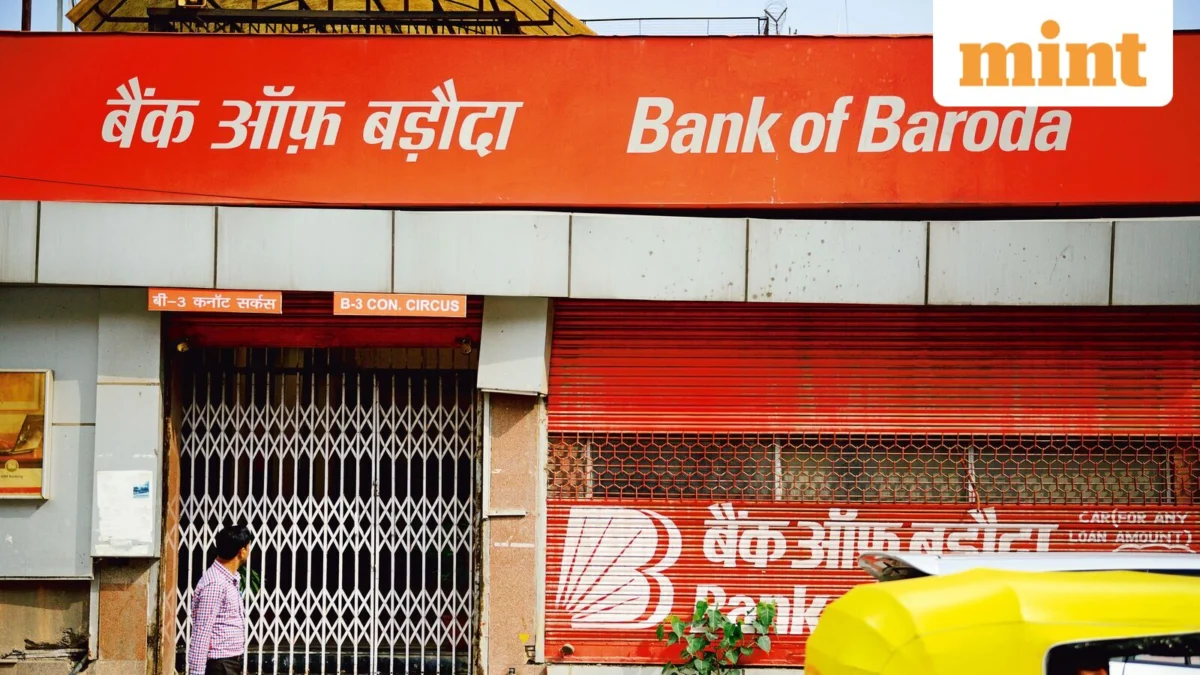
India’s financial sector is on high alert as state-owned Bank of Baroda (BoB), one of the nation’s largest public sector lenders, reportedly faces an intense internal investigation following claims of a massive cybersecurity breach. A threat actor has allegedly published approximately 1 terabyte (TB) of highly sensitive customer and internal corporate data on dark web forums, offering it freely for download, sparking widespread concern among banking regulators and cybersecurity experts. The alleged trove is said to encompass a vast array of personal and corporate banking records, including Aadhaar numbers, customer names, intricate loan-related documentation, and operational data from branches spread across India, posing a significant risk of identity theft and financial fraud.
The gravity of the alleged incident first came to light through the efforts of independent cybersecurity researchers. Srikanth Lakshmanan, a prominent software engineer and founder of the consumer rights advocacy group CashlessConsumer, played a pivotal role in bringing these claims into the public domain. Lakshmanan shared compelling screenshots of the purported documents on social media platforms, confirming that the download link for the extensive dataset was actively accessible. His preliminary verification efforts indicated the presence of both internal bank records and a substantial volume of customer-specific information, describing the situation as a "cyber disaster." This includes granular details such as branch audit reports, loan appraisal documents, confidential internal communications, vigilance investigation files, bobWorld audit reports, and customer application forms spanning numerous BoB branches nationwide. The initial flag was raised on Saturday, July 25, by the dark web monitoring platform ransomware.live, highlighting the increasingly sophisticated nature of threat detection and the porous boundaries of digital security.
The scope of the alleged data leak is particularly concerning given the types of information reportedly compromised. Beyond basic demographic data, the archive is said to contain details pertaining to savings and current accounts, comprehensive loan histories, NetBanking user credentials, records for Non-Resident Indian (NRI) and corporate banking services, customer support documentation, and even intricate information about the bank’s branch network and ATM infrastructure. The inclusion of Aadhaar numbers, India’s biometric-based unique identification system linked to a myriad of government services and financial transactions, amplifies the potential for severe consequences, including sophisticated phishing attacks, identity impersonation, and unauthorized access to other linked services. For a nation rapidly embracing digital payments and financial inclusion initiatives like UPI (Unified Payments Interface), the integrity of such foundational data is paramount to maintaining public trust in the digital economy.
In the immediate aftermath of these claims, Bank of Baroda has maintained a cautious silence publicly, while reportedly engaging in an intensive internal examination to ascertain the authenticity and extent of the leaked data. As of the time of reporting, no official statement has been issued by the bank either confirming or denying the alleged cyberattack. Similarly, key regulatory bodies such as the Indian Computer Emergency Response Team (CERT-In), the national agency responsible for responding to cybersecurity incidents, and the Reserve Bank of India (RBI), the country’s central banking institution, have not yet confirmed the reported breach. This initial silence, while common in the early stages of a potential breach investigation to avoid premature panic or to gather facts, underscores the immense pressure on financial institutions to manage crises of this magnitude with transparency and speed, especially given the rapid dissemination of information in the digital age.

While no hacking collective has overtly claimed responsibility for the alleged breach, cybersecurity researchers like Srikanth Lakshmanan suspect the involvement of a relatively nascent yet increasingly active cybercrime group known as TripleX. This attribution is based on the group’s past activities and the characteristics of the data dump. TripleX garnered international attention earlier this year, in May, following its alleged breach of PT Bank Negara Indonesia (BNI), one of Indonesia’s largest state-owned banks. In that incident, the group reportedly exfiltrated and published approximately 2 TB of data, which included sensitive contracts, personal identification records, detailed financial transaction histories, and internal banking documents. The modus operandi of TripleX, which appears to involve large-scale data exfiltration followed by public dissemination on dark web platforms, highlights a growing trend among cybercriminals who leverage stolen data not just for direct financial gain but also for reputational damage and to pressure organizations.
The alleged Bank of Baroda incident arrives at a critical juncture for global financial cybersecurity. The banking and financial services sector consistently remains a prime target for cybercriminals due to the vast amounts of sensitive data and capital it manages. Reports from various cybersecurity firms indicate a sustained increase in the volume and sophistication of attacks targeting financial institutions worldwide. In India, the rapid acceleration of digital transactions, catalyzed by initiatives like the Digital India program and the widespread adoption of UPI, has simultaneously expanded the attack surface for cyber threats. Data from the RBI indicates a significant year-on-year growth in digital payment volumes, making the robustness of underlying cybersecurity infrastructure non-negotiable.
Beyond the immediate technical challenges, the incident carries significant economic and trust implications. For Bank of Baroda, a breach of this scale could lead to substantial financial liabilities, including potential fraud losses, remediation costs, and regulatory fines. More critically, it risks eroding customer trust, which is a cornerstone for any financial institution. A decline in public confidence could translate into customer attrition, impacting the bank’s deposit base and overall market standing. On a broader scale, for India, repeated high-profile breaches in critical sectors like banking can deter foreign investment, raising questions about the nation’s overall cybersecurity resilience and its ability to protect digital assets. The economic impact could reverberate through the financial ecosystem, affecting credit markets, insurance, and the broader digital economy.
The landscape of cyber threats is also being reshaped by advancements in artificial intelligence (AI). The article’s original mention of AI tools like "Claude Mythos" underscores the emerging dual-use nature of advanced technologies. While AI can significantly enhance defensive cybersecurity measures through predictive analytics, anomaly detection, and automated threat response, it also equips malicious actors with powerful tools for crafting more sophisticated phishing campaigns, developing zero-day exploits, and automating attack vectors. This escalating AI arms race necessitates a proactive and adaptive approach to cybersecurity, requiring continuous investment in cutting-edge technologies, skilled human capital, and robust incident response frameworks.
Looking ahead, the alleged Bank of Baroda breach serves as a stark reminder of the urgent need for enhanced cybersecurity protocols across the entire Indian financial sector. This includes not only upgrading technological defenses but also fostering a culture of cybersecurity awareness among employees and customers, conducting regular security audits, and developing comprehensive incident response plans that prioritize rapid detection, containment, and transparent communication. Regulatory bodies like the RBI and CERT-In are expected to intensify their oversight and enforcement of cybersecurity guidelines, potentially leveraging provisions from India’s evolving data protection framework, such as the proposed Digital Personal Data Protection (DPDP) Act, to impose stricter penalties and mandates. The incident demands a concerted effort from banks, regulators, and government agencies to fortify India’s digital defenses against an increasingly formidable and relentless array of global cyber threats.