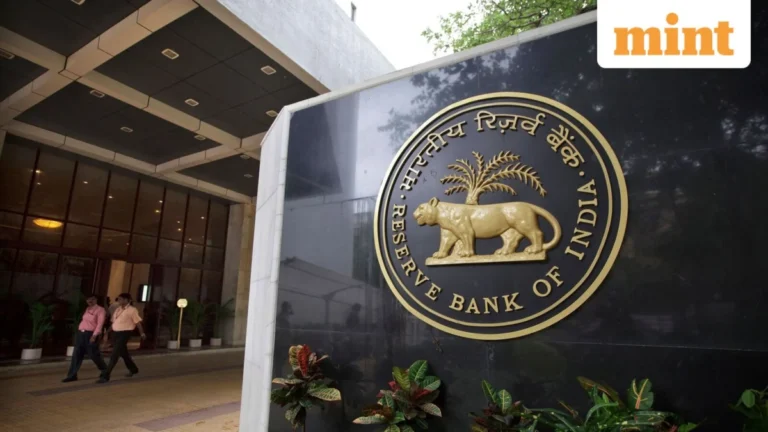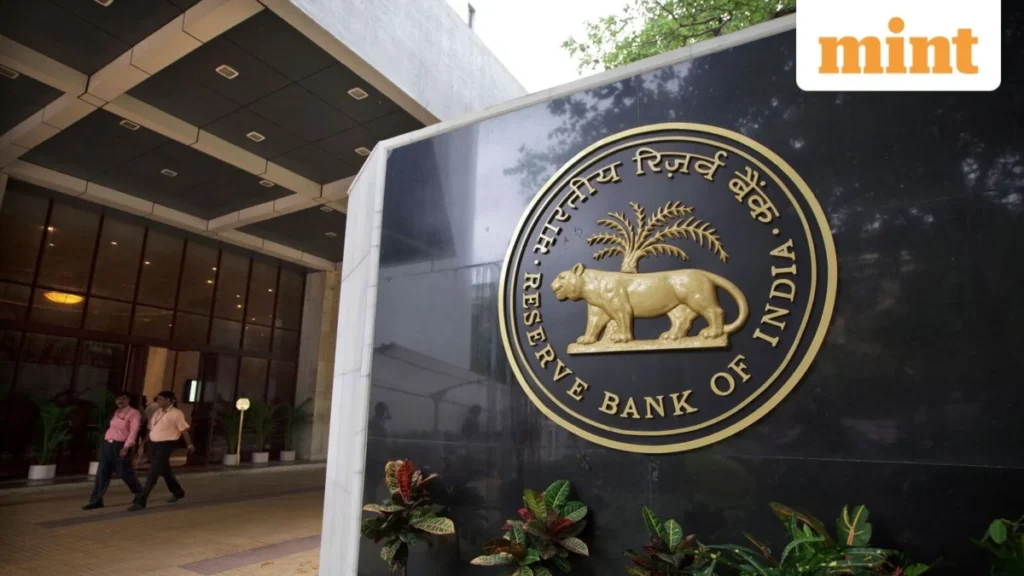


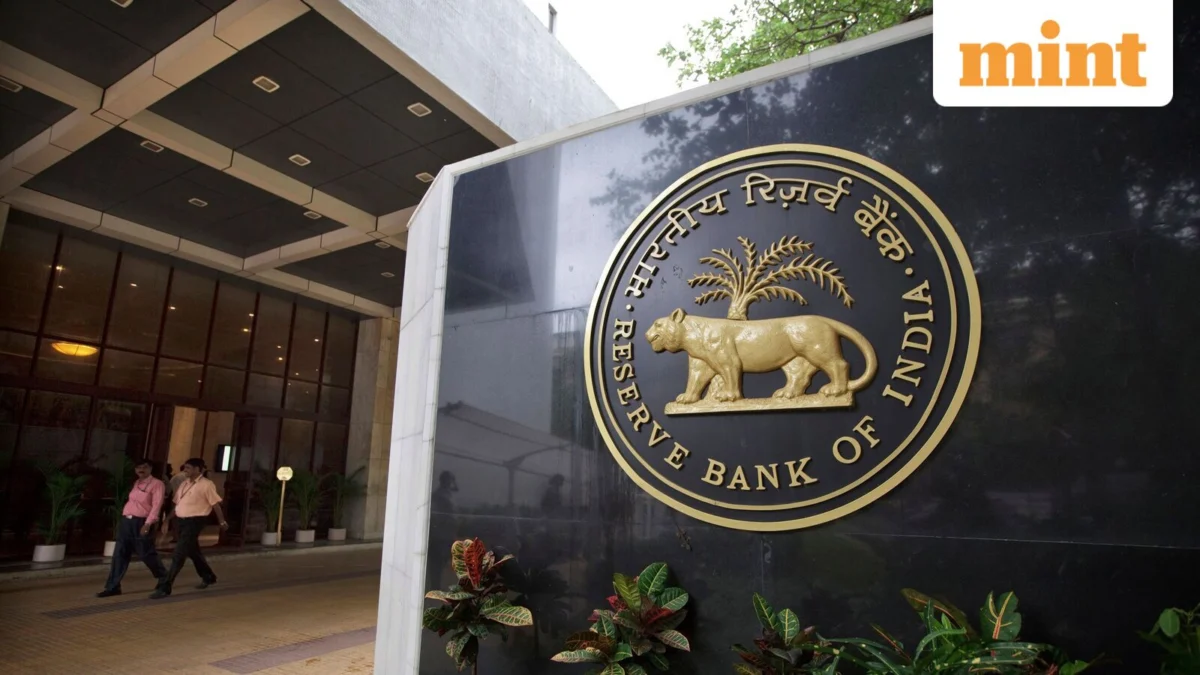
The Reserve Bank of India (RBI) is set to usher in a new era of enhanced transparency and robust investor protection within the nation’s burgeoning securitization market, proposing a series of stringent amendments aimed at fortifying the financial ecosystem. These draft guidelines, released for public consultation, signal a concerted effort by the central bank to refine the regulatory architecture governing these complex financial instruments, ensuring they remain a reliable tool for credit intermediation while mitigating systemic risks. At the core of these proposals are mandates for dematerialized issuance and transfer of securitization notes, along with the extension of a significant ₹1 crore minimum investment threshold to all secondary market transactions, alongside a move to align listing requirements with the Securities and Exchange Board of India (SEBI) regulations.
The Indian securitization market has grown steadily over the past two decades, evolving from its nascent stages in the early 2000s to become a vital mechanism for banks and non-banking financial companies (NBFCs) to manage their balance sheets, optimize capital, and diversify funding sources. Securitization allows financial institutions to pool various types of loans—ranging from home and vehicle loans to microfinance and corporate exposures—and convert their future cash flows into marketable securities. These securities are then sold to a broad spectrum of investors, including mutual funds, insurance companies, pension funds, and foreign portfolio investors, through a Special Purpose Entity (SPE). This process effectively redistributes credit risk, enhances liquidity for originators, and provides investors with access to diversified credit exposures, contributing significantly to the depth and resilience of the broader credit market. According to recent market estimates, India’s securitization volumes have seen consistent growth, often exceeding ₹1.5 trillion annually, reflecting its increasing importance in the financial landscape.
A cornerstone of the RBI’s proposed reforms is the mandatory dematerialization of securitization notes issued by commercial banks. This means that these instruments would be issued, held, and transferred exclusively in electronic form, moving away from physical certificates. This shift is crucial for enhancing market integrity and operational efficiency. Dematerialization significantly reduces the risks associated with physical paper transactions, such as theft, forgery, and loss, while streamlining settlement processes and improving record-keeping accuracy. For an emerging market like India, where digital transformation is a key economic driver, this move aligns financial markets with broader technological advancements, making transactions faster, more secure, and inherently more transparent. Market participants have long advocated for such a transition, recognizing its potential to bolster investor confidence and facilitate seamless trading.
Equally significant is the RBI’s proposal to extend the existing minimum investment requirement of ₹1 crore (approximately $120,000 USD) to every subsequent transfer of securitization notes, beyond just the initial issuance. This critical amendment aims to restrict the participation in these instruments primarily to institutional and sophisticated investors, who possess the requisite financial expertise and risk appetite to evaluate and manage the complexities associated with securitized debt. Currently, this minimum threshold applies only at the point of issuance. By enforcing it across all secondary market transfers, the RBI intends to shield less sophisticated retail investors from potentially opaque or high-risk products, thereby bolstering investor protection. To operationalize this, the draft amendments stipulate that agreements between the originating bank and the SPE must explicitly include a clause mandating the maintenance of this minimum ticket size on an ongoing basis. This ensures that the spirit of the regulation is maintained throughout the security’s lifecycle.

The regulatory convergence between the RBI and SEBI is another key aspect of the new guidelines. The central bank proposes to revise the listing requirement for securitization notes, linking it directly to the investor threshold prescribed under SEBI’s securitized debt regulations, rather than a fixed number (currently 50 or more investors). This move towards harmonized regulation is vital for creating a cohesive and efficient financial market oversight framework. SEBI, as the primary regulator for capital markets, possesses extensive expertise in securities listing and disclosure norms. By aligning with SEBI’s standards, the RBI aims to ensure that securitized debt instruments adhere to a consistent set of market best practices, thereby simplifying compliance for issuers and providing clearer guidance for investors. Such coordination between financial regulators is increasingly seen globally as essential for preventing regulatory arbitrage and ensuring comprehensive oversight of interconnected financial sectors.
Globally, the securitization market faced immense scrutiny following the 2008 financial crisis, which highlighted the perils of opaque and complex securitized products, particularly subprime mortgage-backed securities. In response, international bodies like the Basel Committee on Banking Supervision (BCBS) and the International Organization of Securities Commissions (IOSCO) developed frameworks for Simple, Transparent, and Comparable (STC) securitizations, emphasizing robust risk retention, clear disclosure, and standardized structures. India’s existing securitization directions, established by the RBI, already incorporate many of these global best practices, including mandatory Minimum Retention Requirements (MRR) for originators to align their incentives with investors, comprehensive disclosure requirements, caps on retained exposures, and stringent governance norms for SPEs. The current draft amendments build upon this foundation, further enhancing the framework by addressing specific areas identified for improvement in market structure and investor engagement.
From an economic perspective, these tighter regulations are expected to foster greater confidence in India’s securitization market, potentially attracting more institutional capital in the long run. While some originators might initially face increased compliance costs or a slightly more restricted investor base for secondary market sales, the overarching benefit lies in the enhanced stability and credibility of these instruments. "These reforms will elevate the quality of market participation and reinforce trust," noted a Mumbai-based financial analyst, preferring anonymity. "For banks, it means a more resilient funding channel, even if it requires a bit more upfront work. For sophisticated investors, it offers greater assurance regarding the underlying assets and transaction integrity." Over time, a more robust and transparent securitization market can lead to more efficient capital allocation, lower funding costs for banks (as investor confidence grows), and ultimately, a more stable supply of credit to various sectors of the economy.
The existing framework already prohibits the securitization of certain high-risk or complex asset classes, such as re-securitization exposures (securitizing existing securitized products), synthetic securitizations (which use derivatives rather than actual assets), revolving credit facilities like credit card receivables, and loans with a residual maturity of less than one year (with specified exceptions). These prohibitions are crucial safeguards designed to prevent the accumulation of excessive risk within the financial system. The proposed amendments further strengthen this cautious approach by ensuring that even within permissible asset classes, the trading mechanisms promote clarity and accountability.
The central bank has invited stakeholder comments on the draft by August 27, demonstrating its commitment to an inclusive policymaking process. If adopted, the changes are slated to take effect from October 1. This timeline provides market participants with adequate time to adapt their systems and processes to the new regulatory landscape. The RBI’s proactive stance underscores its continuous commitment to evolving the financial sector’s regulatory framework, ensuring it remains dynamic, robust, and aligned with global best practices while catering to India’s unique economic context. These reforms are not merely about tightening rules; they are about building a more mature, resilient, and globally competitive securitization market that can effectively support India’s ambitious growth trajectory.