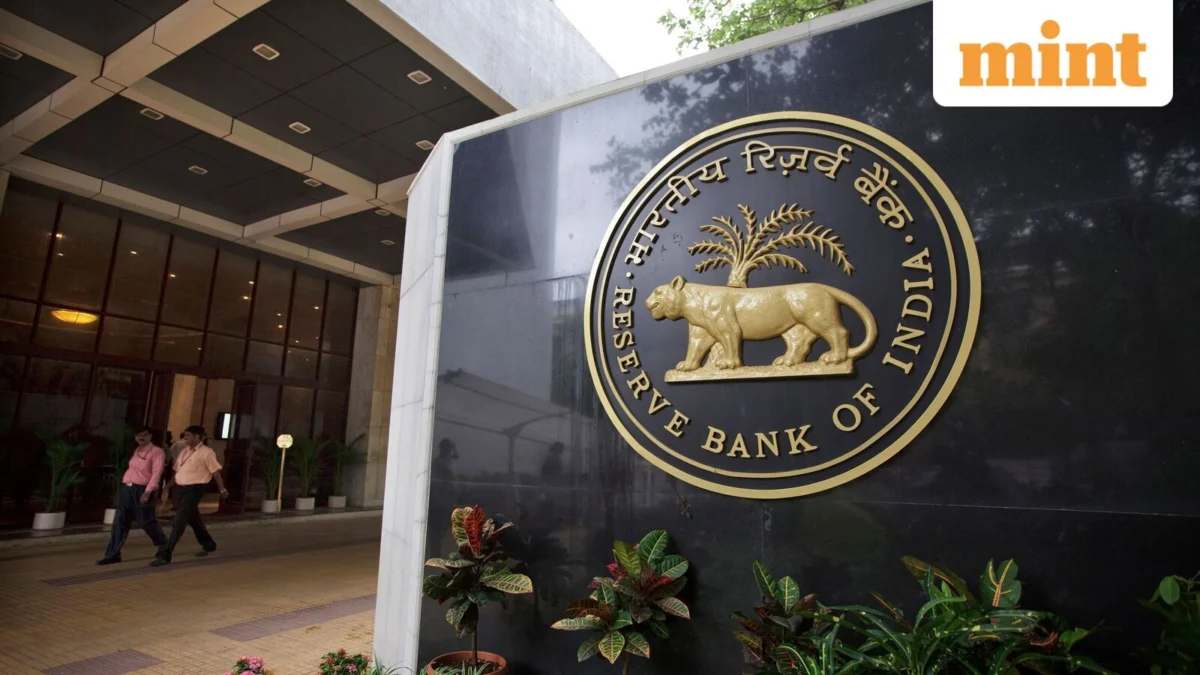
In a significant show of confidence in India’s economic trajectory, Non-Resident Indians (NRIs) have channeled a substantial $17.41 billion into the nation’s banking system through Foreign Currency Non-Resident (FCNR) deposits within a mere 42 days. This rapid accumulation, primarily under a novel incentive scheme, marks a robust start to India’s strategic campaign to attract crucial foreign exchange and reinforce the domestic currency amidst a volatile global economic landscape. Launched on June 5, 2023, and operationalized three days later, the scheme empowers NRIs to make leveraged deposits, with the Reserve Bank of India (RBI) prudently absorbing the hedging risk. This critical intervention has sweetened the deal for overseas investors, offering the potential to realize returns as high as 14%, a figure highly competitive in international markets.
The central bank’s comprehensive dollar swap facility, a cornerstone of this initiative, had attracted a total of $20.72 billion by July 17, 2023. FCNR-B deposits constituted the overwhelming majority of these inflows, underscoring the scheme’s immediate success in tapping into the vast financial reserves of the Indian diaspora. Beyond FCNR(B) deposits, the specialized swap window also facilitated $1.97 billion through overseas foreign currency borrowings (OFCBs) and an additional $1.34 billion via external commercial borrowings (ECBs). Commercial banks, acting as intermediaries, exchange these foreign currency inflows for rupees at the concessional, pre-determined rates offered by the RBI, ensuring stability and predictability for all parties involved. This swift and substantial uptake, as noted by the RBI in its accompanying data release, signifies an "avid interest" and "steady forex inflows" since the scheme’s inception.
The initial weeks following the scheme’s launch were characterized by a degree of market uncertainty regarding the pace of deposit flows. While numerous private sector lenders conveyed strong customer interest during their June-quarter earnings calls, many initially refrained from disclosing specific inflow figures, citing the early stage of the campaign. Conversely, public sector banks were more forthcoming, often revealing both their collection targets and actual inflows. This divergence in reporting highlighted the varied operational capacities and outreach strategies among financial institutions. However, the official data released by the RBI has since provided a clear and encouraging picture, dissipating earlier speculative concerns and validating the scheme’s efficacy.
Economists and banking executives have largely lauded the early performance. Gaura Sengupta, Chief Economist at IDFC First Bank, described it as a "very healthy start" to the capital inflow program. Sengupta noted that, given the current momentum, there is a tangible "upside risk" to their initial estimate of overall FCNR-B inflows, which was pegged at $50 billion specifically due to this scheme. Anticipation remains high for even larger inflows in the crucial months of August and September, as NRIs typically plan their investments and remittances more extensively towards the latter half of such incentive periods. Furthermore, Sengupta projected an additional $20 billion in inflows through External Commercial Borrowings (ECBs). These combined capital injections are expected to result in a moderate balance of payments (BoP) surplus of approximately $25 billion for the fiscal year 2026-27 (FY27), a critical factor in moderating the pace of rupee depreciation against major global currencies.
The central bank’s introduction of the concessional swap window for FCNR deposits was an integral component of a broader package of measures designed to incentivize capital inflows and fortify India’s balance of payments. This strategic move was particularly timely, given the prevailing global economic uncertainties, including inflationary pressures, tightening monetary policies in developed economies, and geopolitical tensions that often trigger capital flight from emerging markets. Under the facility, banks are incentivized to raise fresh FCNR-B deposits and swap the dollars with the RBI at a specially discounted rate, thereby mitigating their hedging costs and making the offerings more attractive to NRIs. While the FCNR-B window is set to close on September 30, 2023, the facility for OFCBs and ECBs remains available until December 31, 2023, providing a sustained avenue for capital attraction.
Ashok Chandra, Managing Director and Chief Executive of Punjab National Bank, echoed the optimism, stating that the current inflows were an "excellent indication" of the potential funds the scheme could draw. Chandra anticipated a significant acceleration of flows post-August 15, continuing until the scheme’s conclusion. He also remarked that the RBI’s disclosures suggest a potential "upside to initial estimates," indicating that the banking sector’s internal projections might be surpassed. Punjab National Bank, for instance, has set an ambitious target of $2.5 billion in FCNR deposits and has already secured $425 million, demonstrating proactive engagement from state-owned lenders. Earlier market reports had estimated FCNR-B inflows in the range of $12-15 billion since the scheme’s inception, making the official $17.41 billion figure a pleasant surprise for many analysts.
Despite the encouraging start, the implementation of the scheme has not been without its nuances and challenges. A notable trend observed in the banking sector is the selective approach towards FCNR-B deposits. Banks, facing rising overseas funding costs, have reportedly shown a preference for larger deposits, particularly from NRIs with over $1 million. This selective strategy, while optimizing banks’ balance sheets, could potentially undermine India’s broader objective of attracting a more widespread $30-40 billion in inflows, as smaller leveraged deposits become less feasible for some institutions to manage profitably.
Furthermore, banks initially grappled with several operational and compliance hurdles. Tax-related concerns among NRIs, particularly in markets with stringent tax regimes such as the United States and the United Kingdom, presented an early challenge. There was also initial uncertainty regarding the ultimate source of these foreign currency flows and a need for clearer operational guidelines, which were only fully clarified later in June. These initial ambiguities prompted proactive intervention from both the RBI and the Union finance ministry, which held separate meetings with top bank executives in mid-July. These high-level engagements aimed to address operational bottlenecks, clarify guidelines, and strongly encourage lenders to accelerate their mobilization efforts. Insights from these discussions also revealed that significant FCNR-B deposit inflows from the US were not widely anticipated by domestic banks, largely due to lingering wariness among American NRIs stemming from stricter tax scrutiny and compliance challenges that arose following the 2013 FCNR program.
Comparing the current scheme to previous iterations, notably the one in 2013, provides valuable context. During the "taper tantrum" of 2013, India witnessed substantial FCNR-B inflows, which played a critical role in stabilizing the rupee amidst global financial turbulence. However, market analysts like Barclays, while acknowledging potential FCNR flows of $25–30 billion as a reasonable base case over the subsequent months, did not anticipate a repeat of the massive inflows seen a decade prior. Their July 16 report noted that the pace of take-up had indeed been "lower than the run rate that would be expected by the lofty market expectations of around $40-50 billion, with some having expected inflows of up to $70 billion." This suggests a more calibrated approach by both the RBI and the banking sector this time around, focusing on sustainable inflows rather than a sudden surge.
The successful attraction of these NRI funds carries profound implications for India’s macroeconomic stability. In an era where many emerging markets grapple with capital outflows driven by rising interest rates in advanced economies, India’s ability to draw in substantial foreign currency acts as a crucial buffer. These inflows directly bolster the rupee, mitigating depreciation pressures that can fuel imported inflation and increase the cost of foreign debt. They also significantly strengthen India’s foreign exchange reserves, providing the central bank with greater firepower to manage currency volatility and insulate the economy from external shocks. Moreover, the confidence demonstrated by the Indian diaspora reflects positively on the country’s economic fundamentals and investment climate, potentially attracting broader foreign direct investment (FDI) in the long run. The strategic use of such schemes underscores the RBI’s proactive and adaptive monetary policy stance, crucial for navigating an increasingly complex global financial landscape and ensuring India’s continued growth trajectory.