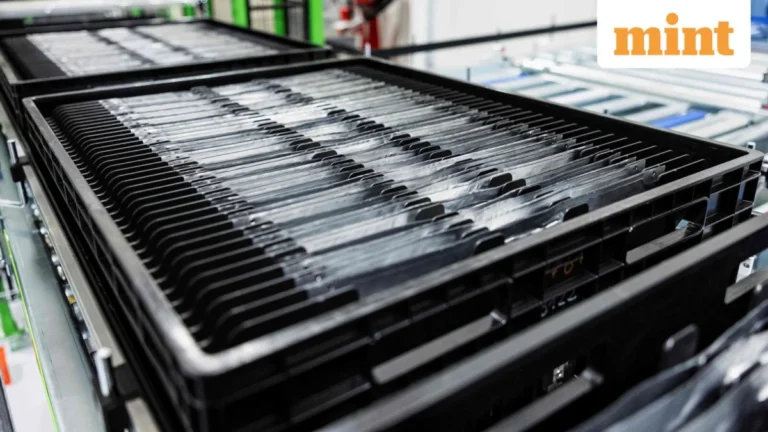
The Indian government has taken a significant step towards bolstering its domestic energy infrastructure and accelerating its green energy transition by inviting bids for the development of 10 gigawatt-hours (GWh) of grid-scale storage systems. This initiative falls under the ambit of the ambitious Production-Linked Incentive (PLI) scheme for Advanced Chemistry Cell (ACC) manufacturing, a flagship program valued at ₹18,100 crore (approximately $2.17 billion USD). This latest tender, closing on October 13 with bids opening the following day, represents a crucial allocation within the broader PLI scheme, which aims to foster 50 GWh of indigenous ACC manufacturing capacity to meet the nation’s rapidly expanding power requirements and aggressive renewable energy deployment targets. A pre-bid conference scheduled for July 29 will provide clarity to prospective developers, who are required to submit an earnest money deposit of ₹10 crore.
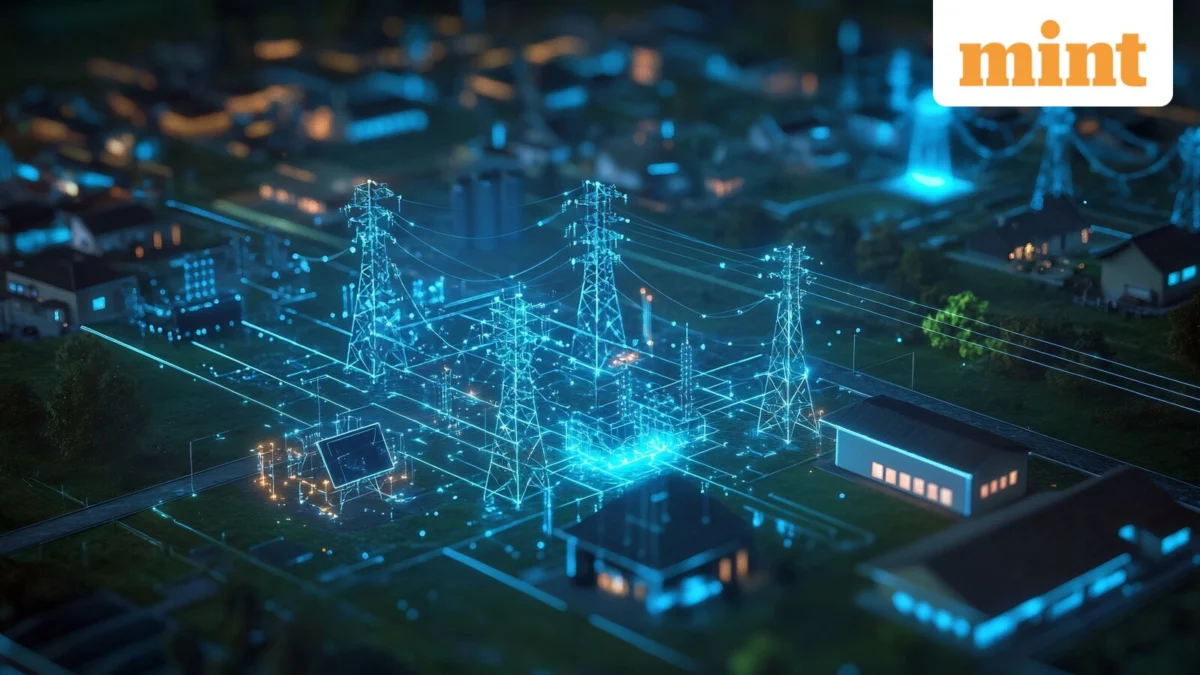
This targeted allocation of 10 GWh for grid-scale storage underscores India’s strategic recognition of battery energy storage systems (BESS) as a foundational pillar for a stable, renewable-dominated electricity grid. The country’s commitment to achieving 500 GW of non-fossil fuel electricity generation capacity by 2030 necessitates robust storage solutions to manage the intermittency inherent in solar and wind power. Without adequate storage, the grid faces challenges such as curtailment of renewable generation during periods of high output and difficulty in meeting peak demand when solar or wind resources are low. The Union heavy industries ministry emphasized that this capacity will directly support India’s burgeoning energy storage needs, enhance energy security, reduce import dependence, and cultivate a globally competitive battery manufacturing ecosystem.
Despite the strategic intent, the PLI ACC scheme, launched in 2021, has faced a challenging start. Disbursements under the marquee incentive program have remained at zero, signaling a slower-than-anticipated uptake and development by the beneficiaries. Government officials have cited several systemic hurdles impeding progress, including the scarcity of readily available advanced manufacturing technology, a shortage of highly skilled manpower capable of operating complex battery production facilities, delays in the import of critical, specialized machinery, and a significant lack of upstream components and raw materials within the domestic supply chain. These factors collectively have made it difficult for battery capacity developers to meet their initial targets and unlock the promised incentives.
To date, 40 GWh of the total 50 GWh capacity under the PLI scheme has been awarded to three major players. Reliance Industries Ltd. (RIL) was granted an additional 10 GWh in September 2024, bringing its total allocated capacity to 15 GWh. Ola Electric received the largest share with 20 GWh, while Rajesh Exports was awarded 5 GWh. However, the initial progress reports indicate a substantial lag. As of February 2026, only Ola Electric had managed to develop 1 GWh of cell manufacturing capacity, with the other awarded entities yet to report any operational capacity. The situation for Rajesh Exports has become particularly complex following allegations by the Securities and Exchange Board of India (SEBI) in early June. SEBI accused the Bengaluru-based company of misrepresenting approximately ₹15.15 trillion (around $180 billion USD) in revenue over a five-year period through unverifiable transactions and diverting company funds via promoter-linked entities. While the legal proceedings are ongoing, such controversies inevitably cast a shadow over investor confidence and the overall credibility of government-backed industrial schemes.
The industry, however, largely views the new 10 GWh grid-scale storage tender as a much-anticipated and critical development. Debmalya Sen, president of the India Energy Storage Alliance (IESA), highlighted the palpable industry eagerness, noting that this specific allocation is crucial for unlocking the immense potential of grid-level applications. According to IESA estimates, India currently has approximately 55 GWh worth of energy storage projects under execution, encompassing both utility-scale and commercial & industrial (C&I) segments. Furthermore, another 70 GWh of capacity is reportedly in the tendering stage specifically for Battery Energy Storage Services (BESS) alone, underscoring the massive scale of India’s projected demand and the substantial progress being made in the broader energy storage sector. This burgeoning market indicates a robust appetite for storage solutions, driven by both policy mandates and economic viability.
Experts underscore the immediate utility and demand for this capacity. Rahul Tongia, a senior fellow at the Centre for Social and Economic Progress, explained that 10 GWh, assuming a typical 4-hour duration of storage, translates to approximately 2.5 GW of electrical capacity output. He stated, "The estimated growth in demand for energy storage is several times higher each year. Thus, this amount, assuming it is priced right, will be utilized easily." This perspective emphasizes that the tendered capacity is a foundational step, far from saturating the anticipated market demand, and is likely to be quickly integrated into the grid to address immediate needs.
However, the path to true self-reliance in battery manufacturing remains steep. Reji Kumar Pillai, president of the India Smart Grid Forum, a think tank supported by the power ministry, voiced concerns about the nascent state of India’s battery ecosystem. "At this point, the concern is that India does not have its own battery-grade materials, including battery-grade water," Pillai noted. This highlights a critical vulnerability in the upstream supply chain, as India largely relies on imports for key raw materials like lithium, cobalt, and nickel, which are essential for advanced chemistry cells. Furthermore, while the cost of setting up lithium battery cell manufacturing plants has decreased globally over the years, the initial capital expenditure remains substantial, with Pillai estimating at least $100 million for just 1 GWh of capacity. Such significant investment requirements, coupled with technological gaps and raw material dependency, present formidable challenges to scaling up domestic production.
Globally, countries like China have established dominant positions in the battery supply chain through decades of strategic industrial policy and investment in mining, refining, and manufacturing. Other nations, including the United States with its Inflation Reduction Act (IRA) and the European Union with its various green industrial initiatives, are now aggressively pursuing policies to localize battery production and secure critical mineral supplies. India’s PLI scheme mirrors these global efforts to de-risk supply chains and foster domestic champions, but it must contend with the existing scale and maturity of global competitors. Success will hinge not just on incentivizing cell manufacturing, but on building a holistic ecosystem that includes R&D, raw material processing, component manufacturing, and robust recycling infrastructure.
The economic implications of a successful PLI ACC scheme are profound. Beyond enhancing grid stability and accelerating the renewable energy transition, indigenous battery manufacturing promises significant economic benefits. It can lead to substantial job creation across the manufacturing value chain, from material processing to assembly and deployment. It offers the potential for considerable foreign exchange savings by reducing reliance on imported batteries and cells, which are currently substantial given India’s burgeoning electric vehicle market and grid modernization efforts. Moreover, it can attract further domestic and international investment into the clean energy sector, fostering innovation and technological advancements. The development of a competitive domestic battery industry is not merely an energy policy objective; it is a critical component of India’s broader "Make in India" initiative and its aspirations for industrial self-sufficiency and global competitiveness in strategic sectors.
In conclusion, the government’s invitation for bids on 10 GWh of grid-scale energy storage under the PLI ACC scheme is a pivotal moment for India’s energy future. It represents a clear policy signal and a concrete step towards building the foundational infrastructure necessary for a decarbonized and resilient power grid. While the initial challenges faced by the broader PLI scheme highlight the complexities of establishing a high-tech manufacturing base from scratch, the urgency of India’s energy transition and the immense market potential for storage solutions provide a strong impetus for success. Overcoming hurdles related to technology acquisition, skilled labor, upstream supply chain development, and sustained financial commitment will be paramount. Should this tender attract robust participation and lead to successful project implementation, it could significantly de-risk India’s energy future, bolster its manufacturing capabilities, and position the nation as a key player in the global energy storage landscape.