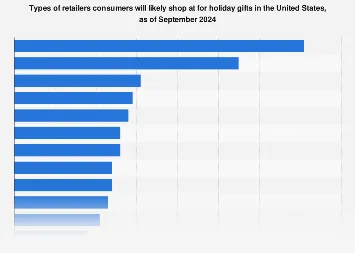
As the peak holiday shopping season of 2024 approached, a significant majority of U.S. consumers indicated a strong inclination towards online-only retailers for their gift purchases. Data compiled in September 2024 revealed that approximately seven in ten consumers planned to leverage the convenience and vast selection offered by e-commerce platforms. This digital-first approach underscores the pervasive influence of online shopping, a trend that has been amplified by evolving consumer behaviors and technological advancements over the past decade. The convenience of browsing, comparing prices, and having items delivered directly to their doorsteps continues to resonate deeply with American shoppers, particularly for the often extensive gift lists associated with the holiday period.
Beyond the pure online space, traditional retail channels are still vying for consumer attention, albeit with a recalibrated strategy. Mass merchant retailers, encompassing large hypermarkets and big-box stores, emerged as the second most popular destination, with over half of consumers intending to shop at these establishments. These retailers often benefit from their ability to offer a wide array of products under one roof, from electronics and apparel to home goods and groceries, often at competitive price points. Their appeal lies in providing a one-stop-shop experience that can complement online purchases or serve as an alternative for consumers who prefer to see and touch products before buying.
The data also paints a nuanced picture of consumer engagement with more specialized retail formats. Department stores and off-price retailers are each expected to capture the attention of roughly one-third of shoppers. Department stores, long a staple of the retail landscape, continue to hold a certain allure, often associated with curated selections, brand names, and a more traditional, albeit sometimes elevated, shopping experience. Off-price retailers, on the other hand, have experienced a significant resurgence in recent years, tapping into the consumer’s desire for value and the thrill of discovering branded merchandise at a discount. This segment’s growth is indicative of a consumer base that is increasingly price-conscious and actively seeking deals, especially during periods of heightened spending.
A notable segment of consumers, approximately 28%, expressed an intention to support local independent stores. This indicates a growing consumer sentiment towards community engagement and a desire to patronize businesses that contribute directly to their local economies. While these stores may not always compete on price or sheer volume of inventory with larger chains or online giants, they often offer unique products, personalized service, and an authentic shopping experience that resonates with a segment of the population seeking something beyond the mass-market offering.
Further down the list of preferred shopping destinations, warehouse membership clubs and beauty/cosmetic retailers each garnered interest from around 26% of respondents. Warehouse clubs, known for their bulk offerings and membership-based model, appeal to consumers looking for cost savings on staple items and a variety of goods. The consistent presence of beauty and cosmetic retailers highlights the enduring demand for personal care and beauty products, a category that often sees strong seasonal gift-giving activity.
Supermarkets and grocery stores are also factoring into holiday shopping plans for nearly a quarter of consumers, reflecting their expanding role beyond just food. Many of these establishments now offer a range of giftable items, from curated food baskets and wine selections to small electronics and holiday decor, making them convenient stops for last-minute additions to gift lists. Similarly, bookstores, capturing 24% of consumer interest, continue to be a popular choice for thoughtful gifts, offering a tangible alternative to digital reading formats.
The data also reveals a considerable portion of consumers looking at outlet stores and malls (23%), suggesting that the allure of discounted brand-name merchandise in a concentrated retail environment remains strong. This segment often attracts shoppers who are willing to travel to find deals on higher-end goods. Electronics, office supply, and computer retailers are expected to attract 21% of shoppers, a testament to the continued importance of technology as a gift category.
More niche retail sectors also play a role, though to a lesser extent. Arts and crafts stores, and specialty clothing retailers are each projected to see about 18% of holiday shoppers. Home improvement and hardware retailers, along with dollar stores, are each expected to attract 17% of consumers, indicating their utility for specific types of gifts or budget-conscious shopping. Pet stores, jewelry stores, toy stores, and sporting goods stores round out the survey, with each drawing between 14% and 16% of consumers, highlighting their importance for specific gift categories and demographic groups.
The survey, conducted from August 30 to September 6, 2024, involved 4,114 respondents interviewed online. This comprehensive data set provides a valuable snapshot of the U.S. consumer mindset as they navigate the complexities of holiday gift acquisition. It underscores a retail environment that is increasingly fragmented yet interconnected, where consumers fluidly move between online and offline channels, seeking value, convenience, and unique experiences tailored to their individual needs and preferences. The dominance of online-only retailers, while significant, does not signal the demise of brick-and-mortar, but rather a transformation towards an omnichannel retail ecosystem where physical stores must integrate seamlessly with their digital counterparts to thrive. Retailers that can effectively blend these channels, offer compelling value propositions, and understand the diverse motivations of their customer base are best positioned to succeed in the dynamic and competitive holiday shopping landscape.