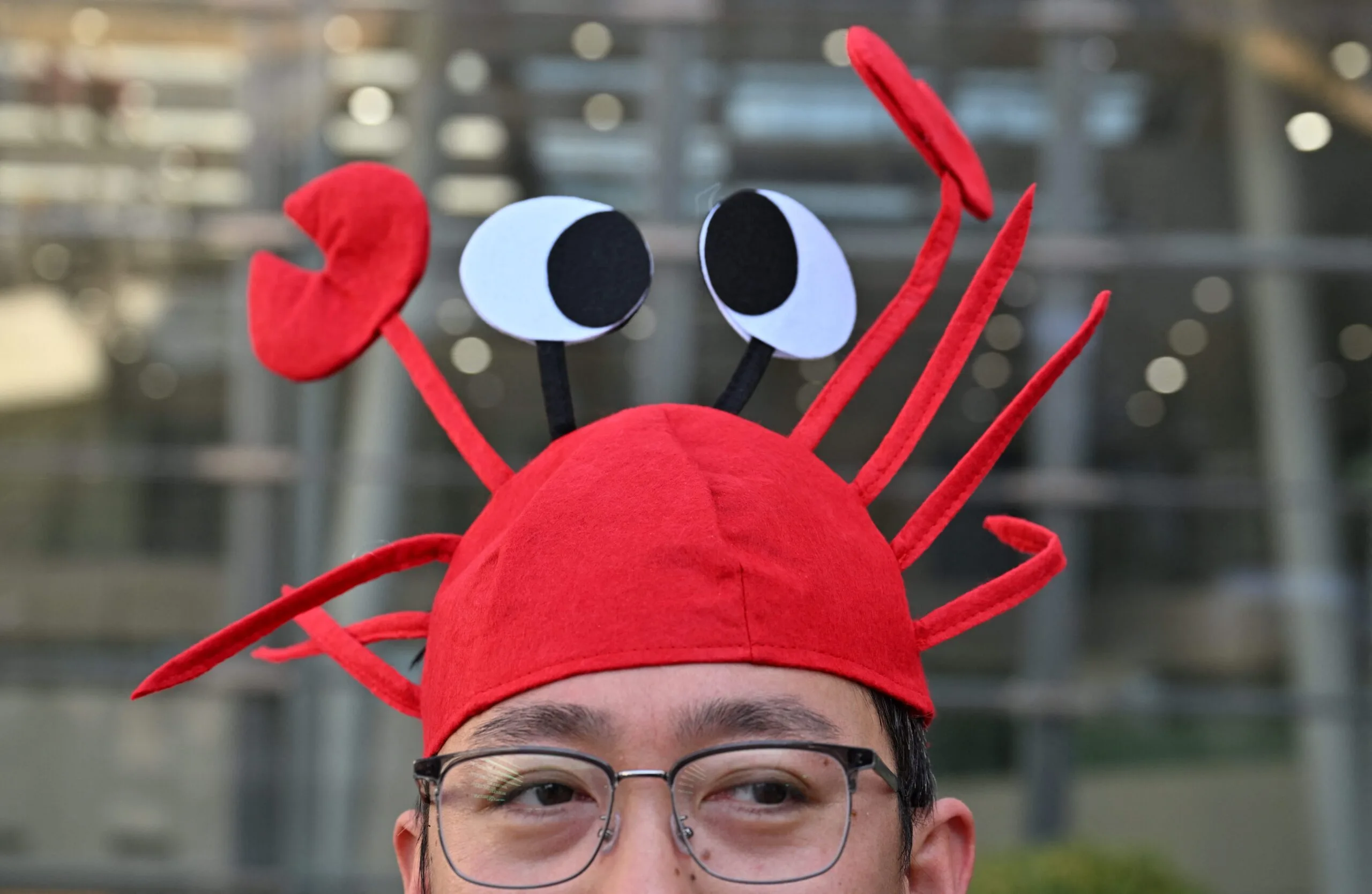
In the bustling tech hubs of Beijing and Shenzhen, a new symbol of digital transformation has emerged, and it arrives in the unlikely form of a bright red lobster. As of March 2026, the open-source artificial intelligence framework known as OpenClaw has ignited a feverish gold rush across the Chinese technology sector. From grassroots developer communities to the boardrooms of "Big Tech" titans like Tencent and ByteDance, the race to deploy autonomous AI agents is no longer a speculative venture—it has become a cornerstone of national economic strategy.
The distinction between the previous generation of AI and the current "OpenClaw era" lies in the transition from conversation to action. While the chatbots of 2023 and 2024 were designed to simulate human dialogue and generate text, AI agents represent a paradigm shift toward "agentic workflows." These digital entities do not merely suggest a restaurant; they navigate the booking interface, check the user’s calendar, and secure a table. They do not just draft an email; they manage entire correspondence threads and schedule follow-up tasks across multiple platforms. This proactive capability, however, requires deep integration into personal data and system architectures, creating a high-stakes tension between unprecedented productivity and burgeoning security concerns.
The scale of adoption in China has already begun to eclipse international benchmarks. According to data from the cybersecurity firm SecurityScorecard, domestic usage of OpenClaw has surpassed that of the United States, driven by a unique combination of corporate agility and a massive, tech-savvy consumer base. This "lobster buffet," as local media has dubbed it, is being fueled by a desperate need for efficiency as the Chinese economy navigates significant structural headwinds.
Tencent, the operator of the ubiquitous WeChat super-app, signaled its dominance in the space this Tuesday by unveiling a comprehensive suite of OpenClaw-based products. Branded as the "lobster special forces," these agents are designed to live within the WeChat ecosystem, allowing users to delegate complex administrative tasks without leaving their primary communication hub. By integrating OpenClaw into an app used by over 1.3 billion people, Tencent is effectively democratizing autonomous AI, moving it from the fringes of GitHub repositories into the pockets of the general public.
Simultaneously, the Beijing-based unicorn Zhipu AI has moved to lower the barrier to entry for non-technical users. Their localized version of OpenClaw features a "one-click installation" process, pre-configured with over 50 "skills"—modular capabilities that allow the agent to interact with popular Chinese e-commerce, banking, and social media platforms. This move addresses one of the primary criticisms of early agentic software: the steep learning curve required for deployment.

The economic implications of this surge are profound. Winston Ma, an adjunct professor at NYU School of Law and a veteran observer of Chinese tech trends, notes that the OpenClaw craze has provided a significant tailwind for domestic Large Language Models (LLMs). Because OpenClaw is "model-agnostic," it functions as a universal interface that can be powered by various underlying AI engines. Data from OpenRouter reveals a telling trend: the top three models utilized by OpenClaw developers over the past month are all Chinese-developed. Collectively, these domestic models—including those from DeepSeek, Moonshot AI, and MiniMax—recorded double the usage volume of Western counterparts like Google’s Gemini or Anthropic’s Claude.
This preference for domestic "brains" is largely driven by cost-efficiency. In 2025 and early 2026, Chinese AI firms engaged in a brutal price war, slashing the cost of API tokens to a fraction of the prices offered by U.S. rivals. For a user running an autonomous agent that might require hundreds of background queries to complete a single complex task, these price differentials are the difference between a viable tool and a prohibitive expense.
The path to mass adoption has not been without its physical manifestations. At the Baidu headquarters in Beijing, the atmosphere recently resembled a product launch for a high-end consumer electronic. Engineers and enthusiasts gathered for "installation festivals," where experts provided hands-on assistance to users struggling with the technical nuances of OpenClaw. These events, often featuring lobster-themed merchandise and plush toys, highlight the cultural phenomenon the software has become.
Major retail and logistics players are also capitalizing on the installation bottleneck. JD.com, the e-commerce giant, recently launched a dedicated service page in partnership with Lenovo’s Baiying IT maintenance team. For a flat fee of 399 yuan (approximately $58), consumers can receive remote technical support to deploy OpenClaw on their personal hardware or private clouds. Meituan, the dominant food delivery and local services platform, has reportedly followed suit, signaling that the "AI agent as a service" model is becoming a lucrative new revenue stream.
The rapid proliferation of OpenClaw is also birthing a new economic class in China: the "one-person company." As Beijing formalizes its latest five-year plan for domestic technological self-reliance, the government has begun to embrace the idea of hyper-efficient micro-enterprises. These are individuals or small teams who use a fleet of AI agents to handle marketing, coding, customer service, and logistics, allowing them to compete with much larger traditional firms.
Local governments, eager to meet central productivity targets, have begun offering aggressive incentives to foster this ecosystem. In Shenzhen’s Longgang district and the high-tech development zone of Hefei, authorities have proposed equity financing support of up to 10 million yuan ($1.46 million) for startups built on the OpenClaw framework. Other municipalities, such as a prominent district in Suzhou, are enticing AI entrepreneurs with 30 days of free office space, subsidized meals, and accommodation.

However, this "agentic gold rush" is occurring under a cloud of regulatory scrutiny. While local governments provide subsidies, national state media outlets have published warnings regarding the inherent security risks of autonomous agents. Because tools like OpenClaw require "read and write" access to sensitive systems to be effective, they are prime targets for data exfiltration or "prompt injection" attacks, where malicious instructions could trick an agent into transferring funds or leaking private documents.
Jaylen He, CEO of the Shenzhen-based startup Violoop, believes the demand for these tools is now too strong to be contained by caution alone. Violoop is developing a dedicated hardware device designed to run OpenClaw-like features with enhanced privacy protocols. Initially targeting the U.S. market, He recently pivoted to include a domestic launch, citing the "unprecedented" appetite for AI assistants among his non-tech peers in China. "This is like the 2022 ChatGPT moment or the 2025 DeepSeek moment," He remarked, referring to previous milestones in AI history. "The desire for a personal assistant that can actually do things has been suppressed for a long time. OpenClaw has finally broken that dam."
The global significance of the project is perhaps best illustrated by its performance on GitHub. OpenClaw has recently surpassed Linux—the foundational open-source operating system of the modern internet—in terms of "stars," a key metric of developer interest and community momentum. The fact that the tool’s creator, Austrian developer Peter Steinberger, was recently recruited by OpenAI further underscores the project’s technical pedigree, even as its most aggressive implementation takes place half a world away in the Chinese market.
As 2026 progresses, the "lobster buffet" shows no signs of slowing down. The convergence of low-cost domestic computing power, aggressive corporate deployment, and supportive local policy has created a unique environment where the autonomous AI agent is transitioning from a sci-fi concept to a daily utility. Whether this leads to a new era of hyper-productivity or a complex web of security vulnerabilities remains to be seen, but for now, China’s tech ecosystem is betting its future on the claw.