The Indian government has signaled a decisive return to market-driven pricing mechanisms within its burgeoning domestic aviation sector, lifting the temporary cap on airfares that had been in place since late last year. Effective March 23, 2026, the move reflects the Civil Aviation Ministry’s assessment that operational stability has largely been restored across airlines, negating the need for extraordinary intervention measures. This policy shift, while celebrated by carriers for restoring pricing flexibility, places a renewed onus on airlines to exercise restraint and transparency, particularly as the sector grapples with complex global economic headwinds and intense domestic competition.
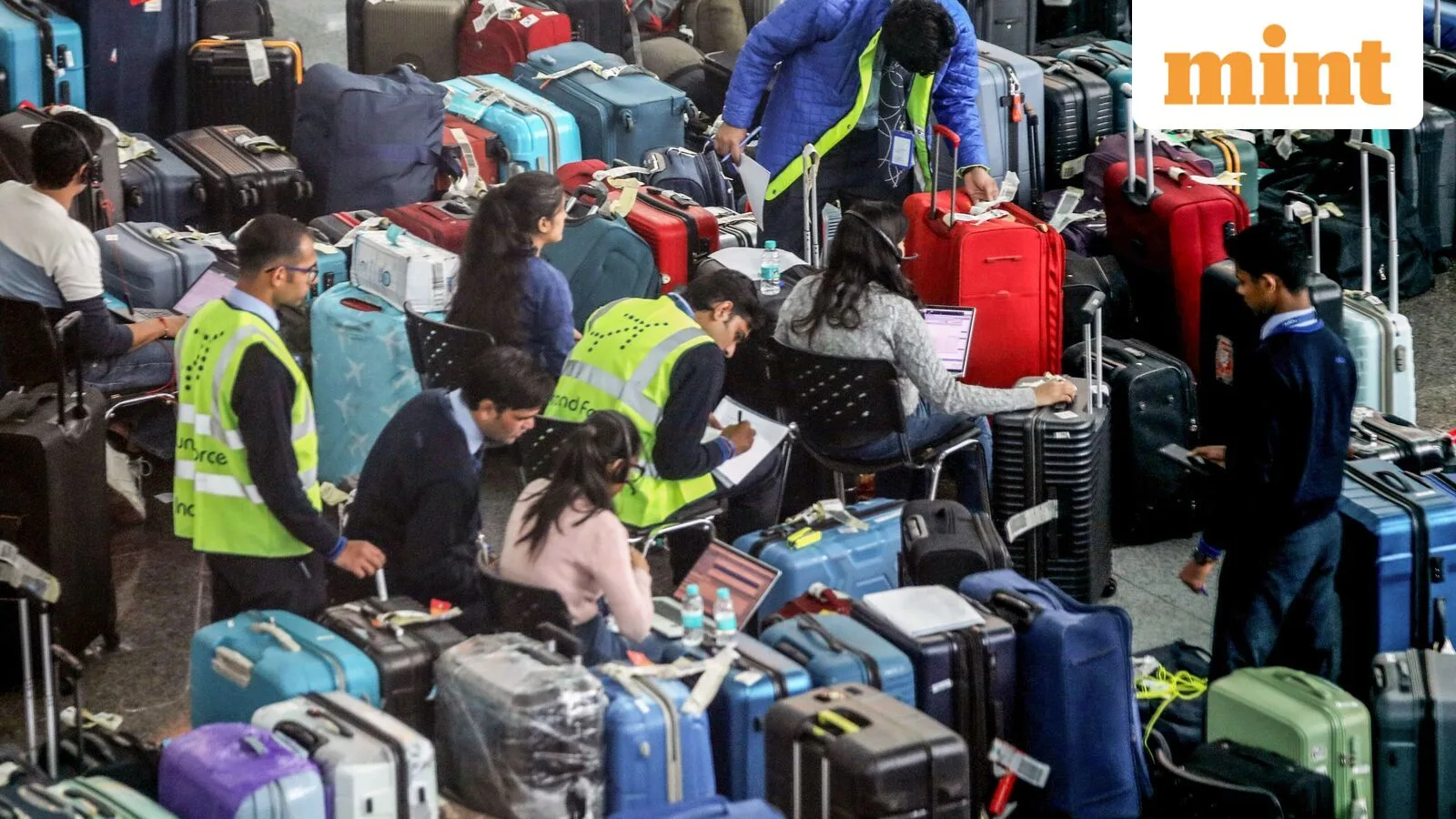
The imposition of fare caps in December 2025 was a direct response to an acute crisis that engulfed India’s aviation landscape. The nation’s largest carrier, IndiGo, experienced unprecedented operational disruptions, leading to the cancellation of over 5,000 flights within a short span. This widespread chaos stemmed primarily from the implementation of new, more stringent pilot rest norms designed to enhance safety and mitigate crew fatigue. While crucial for long-term operational integrity, the immediate effect of these regulations was a significant strain on airline capacity, as carriers struggled to re-roster pilots and maintain flight schedules. The resulting reduction in available seats, coupled with panic among travelers, created fertile ground for an "abnormal surge" in ticket prices, prompting the government to intervene and safeguard consumer interests against potential price gouging. The disruption severely impacted passenger confidence, led to substantial financial losses for affected travelers, and cast a shadow over the sector’s reliability during a peak travel season.
Over the subsequent months, intensive efforts by airlines, supported by regulatory oversight from the Directorate General of Civil Aviation (DGCA), have gradually stabilized operations. Airlines have adjusted their pilot rosters, intensified recruitment and training initiatives, and optimized fleet utilization to restore capacity. This period saw airlines undertaking significant internal restructuring to align with the new regulatory framework, a process that, while challenging, has ultimately contributed to a more robust operational foundation. The ministry’s decision to remove the caps now signifies a confidence in the sector’s ability to manage its capacity effectively without external price controls.
However, the return to a deregulated pricing environment is not without its complexities, particularly given the volatile global economic climate. Indian airlines are currently navigating the intricate fallout of the ongoing West Asia crisis, which presents a multi-faceted challenge to their profitability and operational efficiency. Geopolitical tensions in the region have led to significant rerouting of international flights, increasing flight durations, fuel consumption, and crew costs. Some airspace closures necessitate longer, less direct paths, adding hours to journeys and burning substantially more aviation turbine fuel (ATF), which typically constitutes 30-40% of an airline’s operational expenditure. Furthermore, the crisis has contributed to elevated global crude oil prices, which directly translate into higher ATF costs for carriers. For instance, international benchmark Brent crude has fluctuated significantly, impacting the already thin margins of Indian airlines that operate in a highly price-sensitive market.

Beyond fuel, the broader inflationary environment and the depreciation of the Indian Rupee against the US Dollar further exacerbate cost pressures. A weaker rupee makes imported spare parts, aircraft leases, and maintenance services more expensive, adding to the financial burden on airlines. In this context, the restoration of pricing flexibility is viewed by industry experts as a critical mechanism for airlines to dynamically adjust fares to cover escalating operational costs and protect their financial viability. Ashish Chhawchharia, partner and aviation industry leader at Grant Thornton Bharat, highlighted that "the removal of fare caps restores pricing flexibility for airlines at a time when cost pressures are rising again. With the West Asia situation impacting fuel costs, flight routings, and operational efficiency, airlines need the ability to price dynamically to protect margins and sustain capacity." He added that this move "signals confidence in market stability and allows airlines to respond to economic realities rather than operate under artificial constraints."
The government, while lifting the caps, has issued a stringent advisory to airlines, emphasizing the need for "pricing discipline" and "responsible" conduct. The ministry explicitly stated that fares must remain "reasonable, transparent, and commensurate with market conditions." This directive underscores a delicate balance: allowing market forces to operate while retaining a watchful eye to prevent a return to exploitative pricing practices. The DGCA has been tasked with continuous, real-time monitoring of airfare trends across the sector, and the ministry has reserved the right to reintroduce fare controls or implement other administrative measures should "excessive or unjustified fare spikes" occur, especially during peak travel periods or unforeseen disruptions. This proactive stance aims to reassure consumers that their interests remain a priority, even in a deregulated environment.
For airlines, this new era presents both opportunities and challenges. The ability to implement dynamic pricing strategies allows them to optimize yields by adjusting fares based on demand, seat availability, booking time, and competitive offerings. This often translates to higher fares for last-minute bookings or during peak travel seasons, while offering competitive prices for advance purchases or during off-peak periods to maintain high load factors. The Indian aviation market is characterized by intense competition, with major players like IndiGo, the Air India Group (including Vistara and Air India Express), Akasa Air, and SpiceJet vying for market share. This fierce rivalry acts as a natural deterrent against excessive price increases, as airlines risk losing passengers to competitors if their fares become uncompetitive. As Chhawchharia noted, "A blanket rise in fares is unlikely. While peak-demand routes and last-minute travel could see upward movement, competition remains intense and will continue to discipline pricing. Overall, fares are more likely to become demand responsive rather than uniformly higher, with airlines balancing yield optimization against the need to maintain load factors."
From a consumer perspective, the removal of fare caps means a return to a more volatile pricing landscape. Passengers who book well in advance or travel during off-peak hours may continue to find affordable fares, but those requiring last-minute travel or flying on high-demand routes during festive seasons could face significantly higher costs. This necessitates greater planning and flexibility from travelers. However, the continuous monitoring by the DGCA and the explicit threat of re-intervention provide a crucial layer of protection, preventing airlines from unilaterally dictating prices without regard for market fairness.
Looking ahead, the Indian aviation sector is poised for substantial growth, driven by a burgeoning middle class, increasing disposable incomes, and ambitious government targets for regional connectivity. The move to uncapped fares, while potentially leading to short-term price fluctuations, is ultimately seen as a step towards fostering a more mature and resilient market. It encourages airlines to invest in efficiency, expand their fleets, and enhance service quality to remain competitive. The government’s challenge will be to strike a delicate balance between promoting free-market principles that encourage growth and innovation, and ensuring robust consumer protection against market failures or exploitative practices. The coming months will be a crucial test for the industry’s newfound freedom, demonstrating its ability to navigate global challenges while delivering reliable and reasonably priced air travel to a nation increasingly reliant on air connectivity.