As geopolitical tensions escalate in the Middle East, particularly concerning the strategic Strait of Hormuz, India’s Ministry of Petroleum and Natural Gas has issued a comprehensive assurance to its citizens and the global market, firmly dismissing widespread rumors of impending fuel shortages. The government asserts that the nation possesses robust energy reserves and a diversified procurement strategy, guaranteeing a steady supply of petrol, diesel, and liquefied petroleum gas (LPG) for months to come, even amidst a turbulent international energy landscape. This proactive stance aims to quell panic buying observed in some regions and underscore India’s enhanced energy resilience on the world stage.
The current global energy market is experiencing significant tremors following intensified military actions in the West Asia region, leading to Iran’s effective blockage of the Strait of Hormuz. This critical maritime chokepoint, through which approximately 20% of the world’s petroleum and other liquids transit daily, has become a focal point of geopolitical risk. The blockage, reportedly in retaliation for military strikes by the United States and Israel, has sent ripples across global energy trading desks, pushing international crude oil benchmarks like Brent and WTI higher, disrupting shipping routes, and elevating insurance premiums for maritime traffic. For a major energy consumer like India, which imports over 85% of its crude oil requirements, such developments typically pose significant economic and logistical challenges. However, New Delhi’s recent assurances highlight a strategic pivot towards greater energy independence and supply chain robustness.
India’s strategic response to this heightened volatility has been multifaceted, anchored by an aggressive diversification of its crude oil procurement network. The Union Ministry highlighted that India is now receiving higher volumes of crude from a vast network of over 41 global suppliers, significantly reducing its historical, concentrated reliance on shipments transiting the contested waterway. This proactive approach, accelerated in recent years, includes enhanced imports from non-traditional suppliers in Latin America, Africa, and crucially, a substantial increase in volumes from Russia, often acquired at competitive prices. This shift not only de-risks India’s supply chain from regional conflicts but also provides crucial leverage in price negotiations, cushioning the domestic market from extreme global price spikes.
At the heart of India’s proclaimed energy security lies its substantial reserve capacity. Contrary to speculative reports suggesting a mere six days of stock, the Ministry explicitly stated that India maintains a total reserve capacity of 74 days, with an actual stock cover currently standing at approximately 60 days. This comprehensive figure includes crude oil stocks held by refiners, petroleum product inventories, and strategic petroleum reserves (SPRs) stored in dedicated underground caverns. India’s SPRs, strategically located at Visakhapatnam, Mangaluru, and Padur, with a combined capacity of 5.33 million metric tonnes, are designed to provide a critical buffer during unforeseen supply disruptions. Furthermore, the government confirmed that procurement for the next two months of crude oil has already been secured, effectively extending the nation’s supply assurance well beyond immediate concerns. This forward planning in a volatile market demonstrates a sophisticated risk management strategy, mitigating the impact of spot market fluctuations and ensuring long-term supply stability.

Beyond crude oil, India’s domestic refining prowess plays a pivotal role in ensuring the availability of finished petroleum products. As the world’s fourth-largest refiner with a capacity exceeding 250 million metric tonnes per annum (approximately 5 million barrels per day), and the fifth-largest exporter of petroleum products, India possesses an inherent advantage. Its extensive refining infrastructure, operated by public sector undertakings like Indian Oil Corporation, Bharat Petroleum Corporation Limited, and Hindustan Petroleum Corporation Limited, along with private players, ensures that crude oil can be converted into petrol, diesel, and other essential fuels at scale. This robust domestic refining capacity, coupled with its status as a net exporter of refined fuels to over 150 nations, structurally assures domestic availability, making India less susceptible to the immediate product shortages that might plague other import-dependent economies. The Ministry underscored this point, stating that all 100,000-plus retail fuel outlets across the country remain open and are dispensing fuel without interruption, a stark contrast to reports of rationing or station closures in several other nations facing similar global pressures.
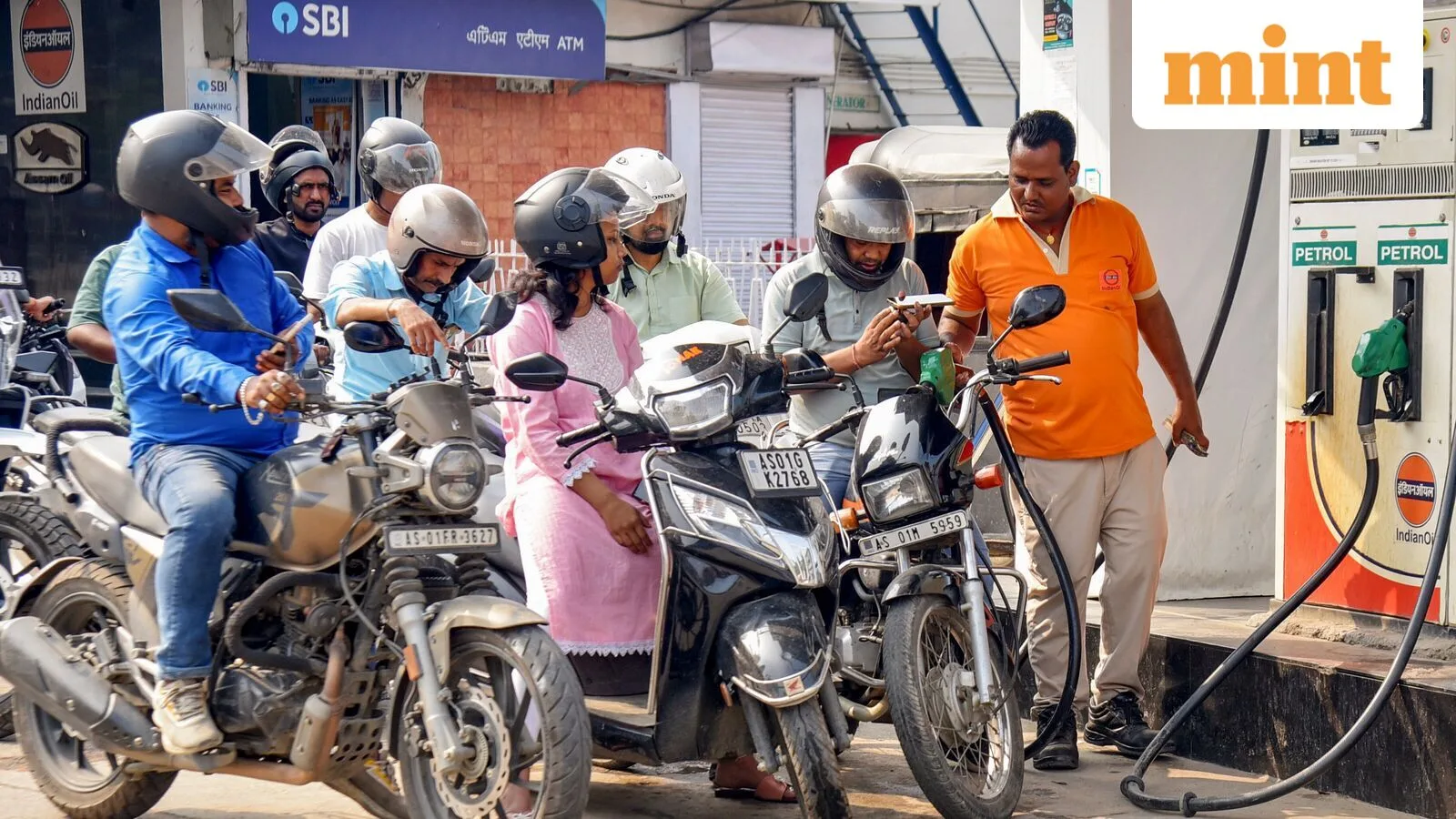
Despite these strong assurances, localized instances of panic buying have been reported, particularly in regions like Telangana, where some stations temporarily displayed "no stock" signs due to an unprecedented surge in consumer purchases. Such episodes, often fueled by misinformation and social media rumors, highlight the psychological dimension of energy security. In response, oil companies have taken proactive measures to bolster supply chain resilience at the retail level. This includes ensuring that oil company depots operate through the night to ramp up supplies and, crucially, increasing the credit period for petrol pumps from one day to over three days. This extension of credit aims to alleviate potential working capital issues for pump owners, ensuring they can maintain adequate inventory levels without financial strain, thereby preventing artificial shortages even during periods of elevated demand.
The government also provided specific reassurances regarding the supply of Liquefied Petroleum Gas (LPG), a critical household fuel, particularly under initiatives like the Ujjwala Yojana that have expanded access to millions of rural households. Dispelling any notions of an LPG crisis, the central government confirmed that there is no deficit. Domestic refinery output of LPG has been significantly boosted by 40%, elevating daily production to 50 thousand metric tonnes (TMT), which now covers over 60% of the national daily demand of approximately 80 TMT. This substantial increase in domestic production has consequently reduced the net daily import requirement to a mere 30 TMT. Furthermore, India has firmly secured 800 TMT of assured inbound LPG cargoes, already en route from diverse global suppliers including the United States, Russia, and Australia. These shipments are slated to arrive across India’s expanded network of 22 LPG import terminals, double the 11 terminals operational in 2014, showcasing significant infrastructural investment. This extensive planning guarantees approximately one full month of supply firmly arranged, with additional procurement efforts continuously underway to maintain a healthy buffer.
The sustained stability of India’s fuel supply chain is not merely a matter of convenience; it has profound economic implications. Uninterrupted access to petrol and diesel is vital for transportation, logistics, agriculture, and industrial production, underpinning economic growth and mitigating inflationary pressures. Similarly, stable LPG supply is crucial for household welfare, preventing energy poverty and ensuring social stability. The government’s decisive actions and transparent communication serve to bolster consumer and investor confidence, signaling that India’s economy is well-insulated from short-term global energy shocks. While the long-term trajectory of global energy markets remains uncertain due to geopolitical flux and the ongoing energy transition, India’s demonstrated strategic foresight in diversifying its energy mix, building robust reserves, and enhancing domestic capabilities positions it strongly to navigate the complexities of the 21st-century energy landscape.