Global energy markets experienced a sharp recalibration this week as crude oil prices retreated from recent highs, following a significant strategic declaration by Israeli Prime Minister Benjamin Netanyahu. In a statement that has reverberated through both diplomatic circles and trading floors, Netanyahu asserted that recent military operations have effectively neutralized Iran’s ability to continue its uranium enrichment program at previous capacities. This development, which suggests a pivot in the long-standing shadow war between the two regional powers, has prompted investors to strip away a substantial portion of the "geopolitical risk premium" that had bolstered oil prices throughout the autumn.
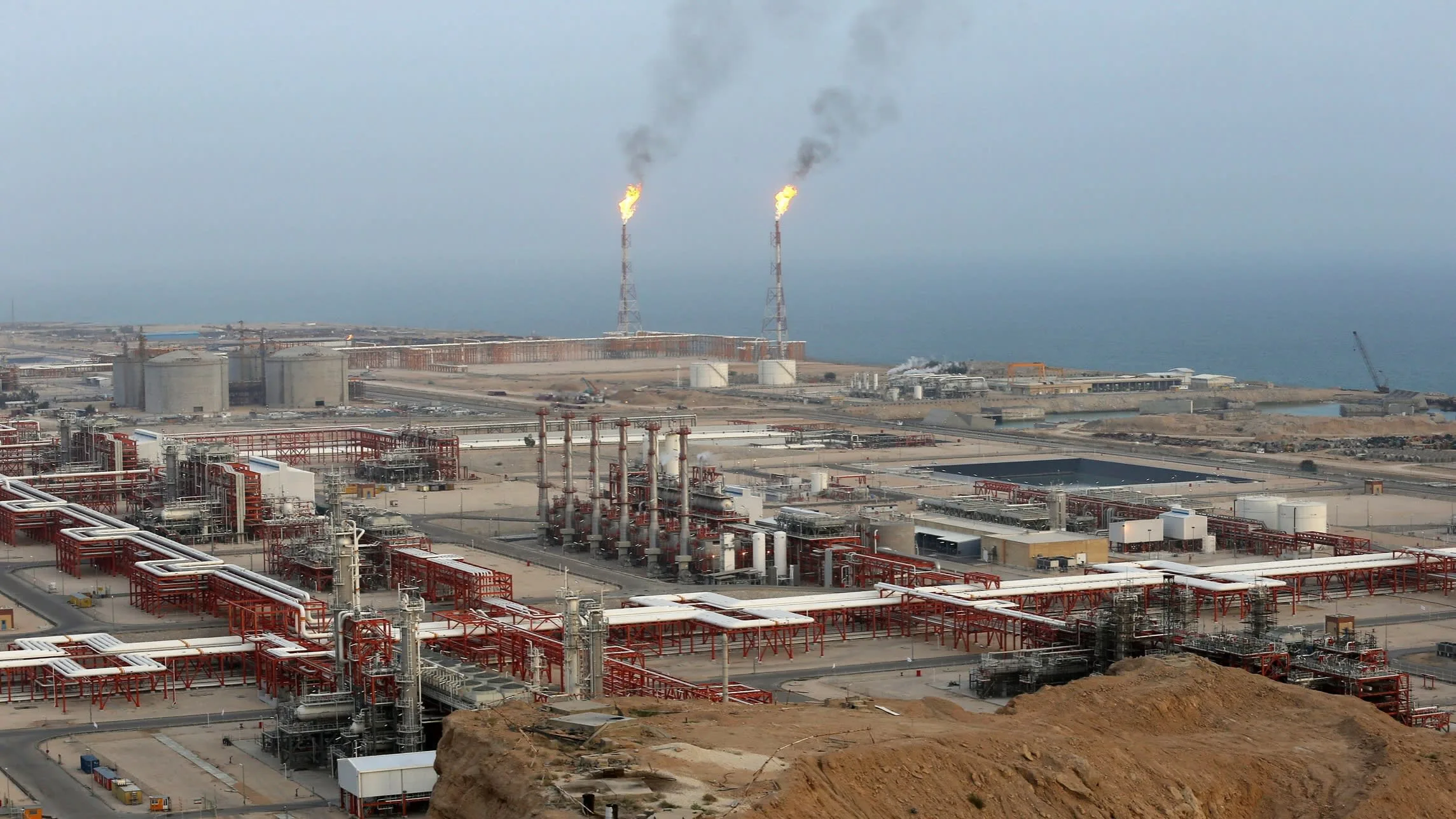
The immediate reaction in the commodities sector saw Brent Crude, the international benchmark, falling by more than 4% in the hours following the announcement, while West Texas Intermediate (WTI) followed a similar downward trajectory. For months, the specter of a full-scale conflict involving the Islamic Republic of Iran—a founding member of OPEC and a critical player in the global energy landscape—had kept prices volatile. Traders had been pricing in the potential for a catastrophic disruption to the Strait of Hormuz, a maritime chokepoint through which approximately one-fifth of the world’s daily oil consumption passes. However, the suggestion that Israel has successfully targeted enrichment infrastructure rather than oil production facilities has signaled to the market that a wider regional energy war may be less imminent than previously feared.
Netanyahu’s claims center on the assertion that the Israeli Defense Forces (IDF) have achieved precision strikes against key components of Iran’s nuclear cycle. Uranium enrichment, a process that increases the proportion of the U-235 isotope, is the most scrutinized aspect of Iran’s nuclear program, as it is the primary pathway to developing a nuclear warhead. While Tehran has consistently maintained that its nuclear ambitions are purely for civilian energy and medical purposes, Western intelligence and the International Atomic Energy Agency (IAEA) have expressed ongoing concerns regarding the accumulation of 60% enriched uranium—a level that is technically a short step from the 90% "weapons-grade" threshold. If the Israeli assessment is accurate, the degradation of these facilities would not only delay Iran’s "breakout time" but also shift the strategic balance of power in the Middle East.
From an economic perspective, the decline in oil prices provides a measure of relief to central banks in the West, many of which are currently navigating a delicate transition toward lower interest rates. High energy costs have been a primary driver of the inflationary pressures that plagued the global economy in 2022 and 2023. A sustained drop in crude prices reduces the cost of transportation and manufacturing, potentially accelerating the "soft landing" sought by the U.S. Federal Reserve and the European Central Bank. However, the volatility remains a double-edged sword for oil-exporting nations within the OPEC+ alliance, who have been struggling to maintain price floors through a series of voluntary production cuts.
Market analysts note that the current price action reflects a shift in focus from supply-side fears to demand-side realities. While the Middle East remains a flashpoint, the underlying fundamentals of the oil market have been leaning toward a surplus. The International Energy Agency (IEA) has recently pointed to cooling demand in China, the world’s largest oil importer, as the Chinese economy grapples with a protracted property crisis and a slower-than-expected post-pandemic recovery. Furthermore, non-OPEC production—led by record-breaking output in the United States, Guyana, and Brazil—has created a buffer that makes the global supply chain more resilient to regional shocks than it was during the oil crises of the 1970s or the early 2000s.
The technical specifics of the Israeli claim remain a subject of intense debate among security experts. Strategic analysts suggest that by focusing on nuclear infrastructure rather than Iranian oil refineries or export terminals at Kharg Island, Israel has adhered to a diplomatic "red line" established by the Biden administration. Washington has been vocal in its desire to prevent a surge in global energy prices, particularly during a sensitive domestic political cycle. By targeting the enrichment capabilities, the Israeli government appears to be pursuing a "decapitation" of Iran’s strategic leverage without triggering the immediate economic retaliation that would follow a strike on the energy sector.
However, the permanence of this market cooling is far from guaranteed. Skeptics point out that Iran has spent decades hardening its nuclear sites, moving much of its centrifuge work deep underground at locations like Fordow and Natanz. If the Iranian regime can demonstrate that its enrichment capabilities remain intact, or if it chooses to respond to the Israeli claims through its network of regional proxies, the risk premium could return to the market overnight. The geopolitical landscape remains a "tinderbox," according to commodity strategists at several major investment banks, who warn that algorithmic trading and high-frequency shops often overreact to headlines before the full tactical reality is understood.
The economic impact on Iran itself is also a critical factor in this unfolding narrative. Under the weight of heavy international sanctions, Tehran has relied on "ghost fleets" to export its crude, primarily to independent refineries in China. These exports provide a vital lifeline for an economy struggling with high unemployment and currency devaluation. If the Israeli military strategy continues to avoid direct hits on oil infrastructure, it allows the Iranian leadership a degree of economic face-saving that might prevent a "scorched earth" response. Conversely, if the degradation of the nuclear program is as total as Netanyahu suggests, it may force Tehran back to a more cautious diplomatic stance, potentially opening the door for future negotiations regarding the dormant Joint Comprehensive Plan of Action (JCPOA).
For global investors, the current situation highlights the increasing complexity of "geopolitical hedging." In previous decades, a headline regarding a potential strike in the Persian Gulf would have sent oil prices up by $10 or $20 per barrel almost instantly. Today, the market is more nuanced. Investors are weighing the words of political leaders against real-time satellite imagery, shipping data, and the production capacity of the Permian Basin in Texas. The "shale revolution" in North America has fundamentally altered the geopolitics of energy, granting Western markets a level of insulation that allows them to react more temperately to Middle Eastern instability.
As the situation develops, the focus will turn to the IAEA’s next report and the official response from Tehran’s Supreme Leader. If independent monitors confirm a significant setback in Iranian enrichment, the narrative of a "containable" Middle Eastern conflict will likely gain traction, further depressing oil futures. However, if the rhetoric from Israel is seen as an overstatement of military gains, or if Iran chooses to escalate its involvement in maritime harassment, the relief currently felt in the energy markets could prove to be a temporary reprieve.
In the broader context of global trade, the de-escalation of the "nuclear threat" narrative is a positive signal for the stability of international shipping routes. Beyond oil, the Middle East is a vital corridor for liquefied natural gas (LNG) and containerized freight moving between Asia and Europe. The reduction in immediate war fears helps to stabilize insurance premiums for commercial vessels, which have soared over the past year. As the world moves toward the end of the fiscal year, the interplay between Netanyahu’s military declarations and the cold mathematics of the oil market will remain a defining feature of the global economic outlook. The coming weeks will determine whether this price drop is the start of a long-term trend toward normalization or merely a brief lull in a decade-long cycle of volatility.