The global commodities landscape underwent a violent recalibration this week as a perfect storm of geopolitical conflict, energy price volatility, and shifting monetary expectations sent both precious and industrial metals into a tailspin. What began as a localized reaction to escalating hostilities between the United States and Iran has rapidly evolved into a broader market contagion, forcing investors to rethink the safety of traditional havens and the viability of industrial growth. On Thursday, the selling pressure reached a fever pitch, with gold and silver—assets typically sought during times of international strife—plummeting alongside copper and palladium, signaling a profound shift in market sentiment from fear of war to fear of a protracted economic downturn.
The scale of the retreat was particularly jarring for precious metals investors. Gold, often considered the ultimate store of value during geopolitical upheaval, saw its price collapse by nearly 6% in a single session. Silver followed suit with an even more aggressive 8% decline. This downward trajectory is counterintuitive to the traditional "flight to safety" narrative that usually accompanies military conflict. However, the current conflict in the Middle East has introduced a complicating variable: the price of crude oil. As oil prices surged in response to the regional instability, the market’s focus pivoted sharply toward the inflationary implications of an energy shock. The fear is no longer just the war itself, but the possibility that high energy costs will force central banks to maintain a hawkish stance for much longer than previously anticipated.
For the past several months, global equity and bond markets had been buoyed by the expectation of imminent interest rate cuts by the Federal Reserve and other major central banks. The sudden spike in oil prices has effectively dismantled that "soft landing" thesis. If energy-driven inflation proves to be sticky, the prospect of rate cuts evaporates, replaced by the grim reality of "higher for longer" or even further rate hikes. This environment is toxic for gold and silver. Because bullion is a non-yielding asset, its opportunity cost rises in tandem with interest rates. When investors can capture a 4.3% yield on a "risk-free" 10-year U.S. Treasury note—a level breached during Thursday’s session—the relative appeal of holding gold diminishes significantly.
Furthermore, the surge in yields has provided a fresh tailwind for the U.S. dollar. As the world’s primary reserve currency strengthens, dollar-denominated commodities become more expensive for holders of other currencies, creating a natural ceiling on prices. Peter Boockvar, Chief Investment Officer at One Point BFG Wealth Partners, noted that the primary drag on gold has been the realization that the "Fed rate cuts that were priced in" are now at risk. The market is essentially repricing the entire global yield curve in real-time, and gold is the primary casualty of this adjustment.
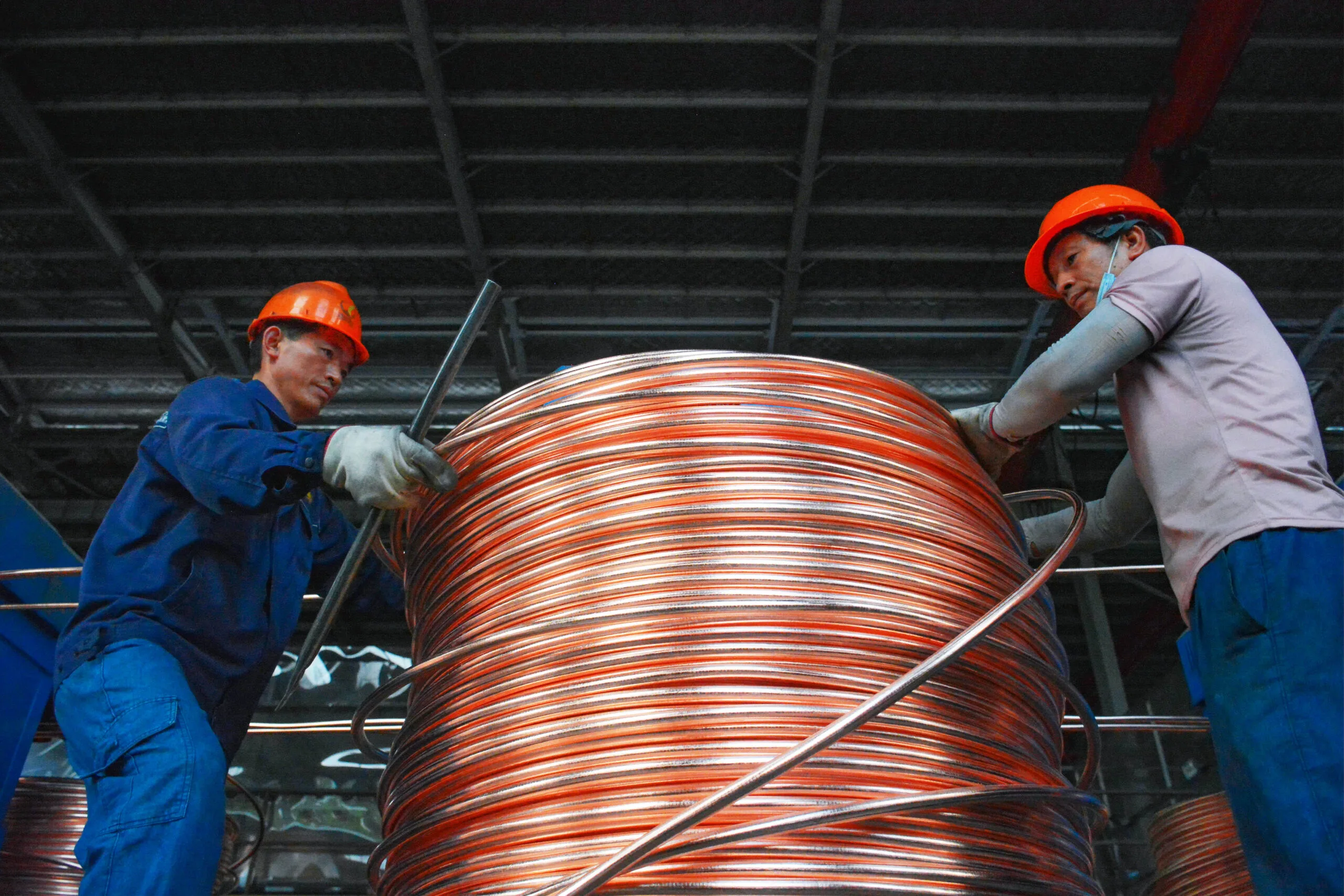
While the decline in precious metals can be explained through the lens of monetary policy, the sell-off in industrial metals like copper and palladium points to a more structural concern: the looming threat of a global recession. Copper, often referred to as "Dr. Copper" for its supposed Ph.D. in economics, is a vital component in everything from consumer electronics and electric vehicle batteries to residential plumbing and national power grids. Because of its ubiquity in manufacturing and construction, copper prices are widely viewed as a leading indicator of global economic health. After showing relative resilience during the initial stages of the U.S.-Iran conflict, copper fell 2% on Thursday, while palladium—essential for automotive catalytic converters—slumped by 5.5%.
The transition from stability to a sell-off in these base metals suggests that the "demand destruction" phase of the energy shock has arrived. Investors are increasingly worried that if oil prices remain elevated, businesses will scale back capital expenditures and consumers will retreat from big-ticket purchases. This creates a feedback loop where high energy costs act as a tax on global growth, eventually leading to a contraction in industrial activity. When copper prices fall, it is often a signal that the market expects a slowdown in the world’s two largest economies: the United States and China. In the current context, the risk is that the world is heading toward a "stagflationary" environment—a rare and painful combination of stagnant economic growth and high inflation.
The debate over stagflation has divided Wall Street’s most prominent analysts. Proponents of the stagflation thesis argue that the current geopolitical climate mirrors the 1970s, where oil embargos led to decade-long economic malaise. They point to the fact that military spending is likely to balloon as the conflict persists, further straining national deficits and putting upward pressure on prices. However, some seasoned economists remain skeptical of such a dire comparison. Ed Yardeni, President of Yardeni Research, has argued that modern economies are far more resilient to energy shocks than they were fifty years ago. He noted that even the massive disruption caused by Russia’s invasion of Ukraine in 2022, which sent energy and food prices soaring, failed to trigger a global recession.
Federal Reserve Chairman Jerome Powell has echoed this sentiment, attempting to calm markets by stating that he would reserve the term "stagflation" for a much more severe set of economic circumstances. Nonetheless, the bond market’s reaction suggests that traders are less optimistic than the Fed. The rise in real yields—interest rates adjusted for inflation—indicates that the market is bracing for a period where the cost of capital remains high even as growth prospects dim.
Despite the current gloom, some analysts see a silver lining for gold in the medium term. While it is currently being hammered by the "rate hike" scare, gold’s long-term value proposition often rests on its role as a hedge against currency debasement. If the U.S.-Iran war leads to a massive increase in military spending, the resulting surge in the U.S. federal deficit could eventually weaken the dollar and renew interest in "hard assets." This "debasement trade" relies on the idea that gold is the only true neutral reserve asset in a world where governments are printing money to fund conflict and debt obligations.
The outlook for industrial metals remains more precarious. For copper and palladium to find a floor, the market needs to see evidence that the energy shock is transitory or that global demand can withstand higher prices. The automotive sector, a major consumer of palladium and copper, is particularly sensitive to consumer sentiment. If high gas prices lead to a slump in vehicle sales, the surplus of industrial metals could keep prices depressed for an extended period.
In a recent note to clients, Christian Mueller-Glissmann, head of asset allocation research at Goldman Sachs, highlighted the complexity of the current environment. He suggested that while gold faces immediate headwinds from rising yields, it remains a critical component of a diversified portfolio in a stagflationary scenario, especially if real yields eventually begin to decline. The key for investors is distinguishing between short-term liquidations and long-term structural shifts.
As the conflict continues to unfold, the correlation between energy prices and metal markets will likely remain tight. The "worrying reason" behind the broad commodities sell-off is not just the immediate destruction caused by war, but the systemic risk that the war poses to the global financial order. With inflation proving difficult to tame and the engines of global growth sputtering under the weight of high costs, the "Doctor’s" diagnosis for the world economy is looking increasingly grim. For now, the commodity markets are sending a clear message: the era of cheap energy and easy money is over, and the transition to whatever comes next will be anything but smooth.