
The global commodities market reached a historic milestone this week as copper futures surged to an unprecedented peak of approximately $6.90 per pound, a valuation that has sent ripples through the industrial and financial sectors. Traditionally regarded as "Dr. Copper"—a metal with a PhD in economics due to its uncanny ability to predict the health of the global economy—this latest price action suggests a fundamental break from historical patterns. While a spike in copper prices has historically signaled a period of robust, broad-based industrial expansion, the current rally is fueled by a complex tapestry of structural supply deficits, aggressive geopolitical maneuvering, and the voracious appetite of the nascent artificial intelligence and renewable energy sectors.
The departure from traditional economic modeling is striking. In decades past, copper prices moved in lockstep with global GDP growth, particularly the manufacturing output of emerging markets. However, the current landscape reveals a market where the price is increasingly decoupled from general economic sentiment and instead tethered to the specific requirements of the "twin transitions": the digital revolution and the green energy pivot. This shift implies that even in a climate of mixed macroeconomic data, copper may maintain a high price floor, driven by the non-negotiable demand for electrification and data processing infrastructure.
Central to this demand surge is the rapid expansion of the artificial intelligence industry. Data centers, the physical backbone of the digital age, require immense amounts of copper for power distribution, cooling systems, and high-performance cabling. Unlike traditional commercial construction, which might fluctuate with interest rate cycles, the build-out of AI infrastructure is being treated as a strategic necessity by global tech giants. This "acute" demand, as market analysts describe it, creates a concentrated pressure on the copper market that is less sensitive to the broader ebbs and flows of consumer spending or retail health.
Simultaneously, the global push toward decarbonization is acting as a permanent tailwind for the metal. The transition from internal combustion engines to electric vehicles (EVs) requires nearly four times as much copper per unit, while the replacement of fossil-fuel power plants with wind and solar farms necessitates massive upgrades to the electrical grid. China, currently the world’s largest consumer of the metal, has underscored this trend by announcing a staggering $574 billion investment plan for power grid upgrades. In the first half of 2026 alone, Chinese grid investment rose by 13% year-over-year, illustrating a state-driven commitment to electrification that remains largely immune to the cooling of the country’s property sector.
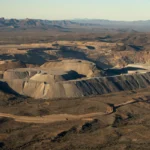
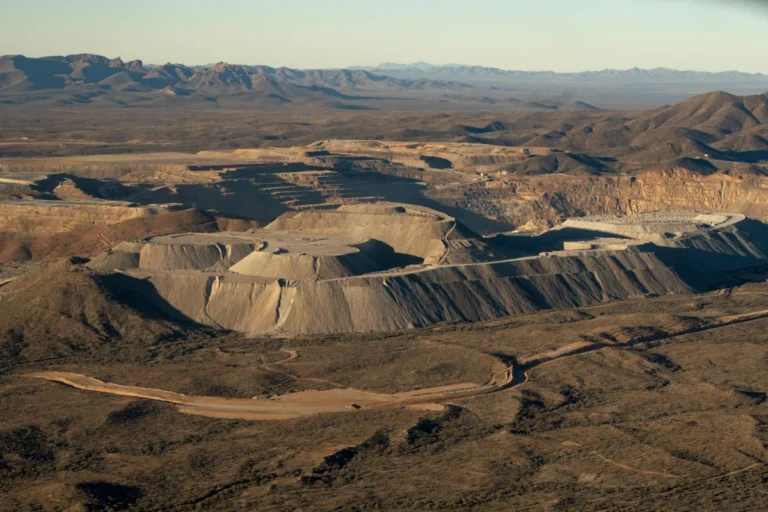
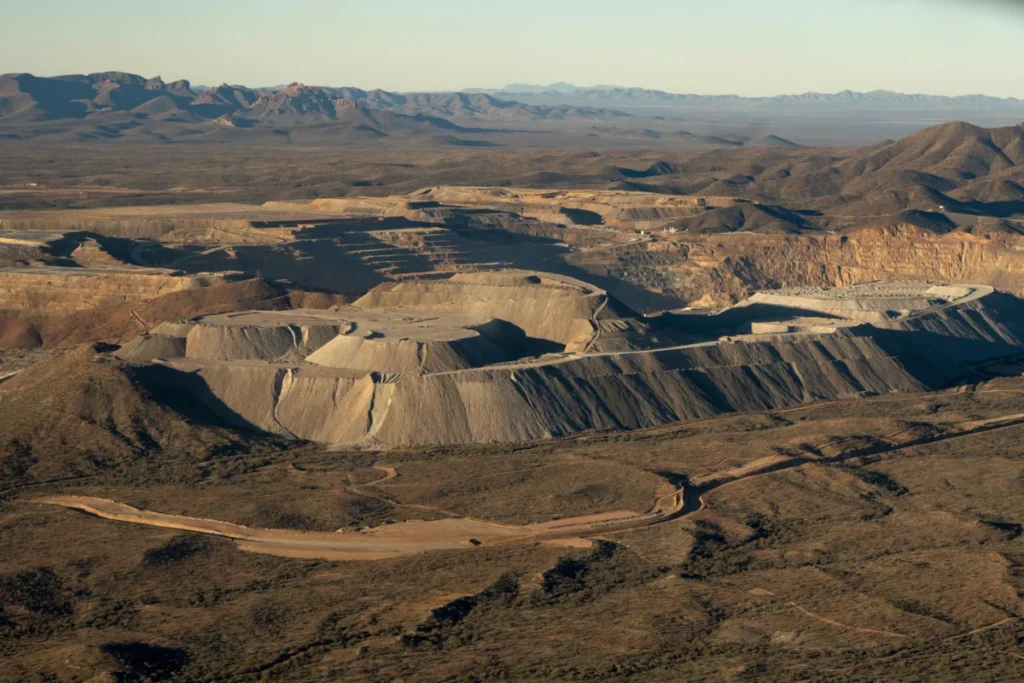
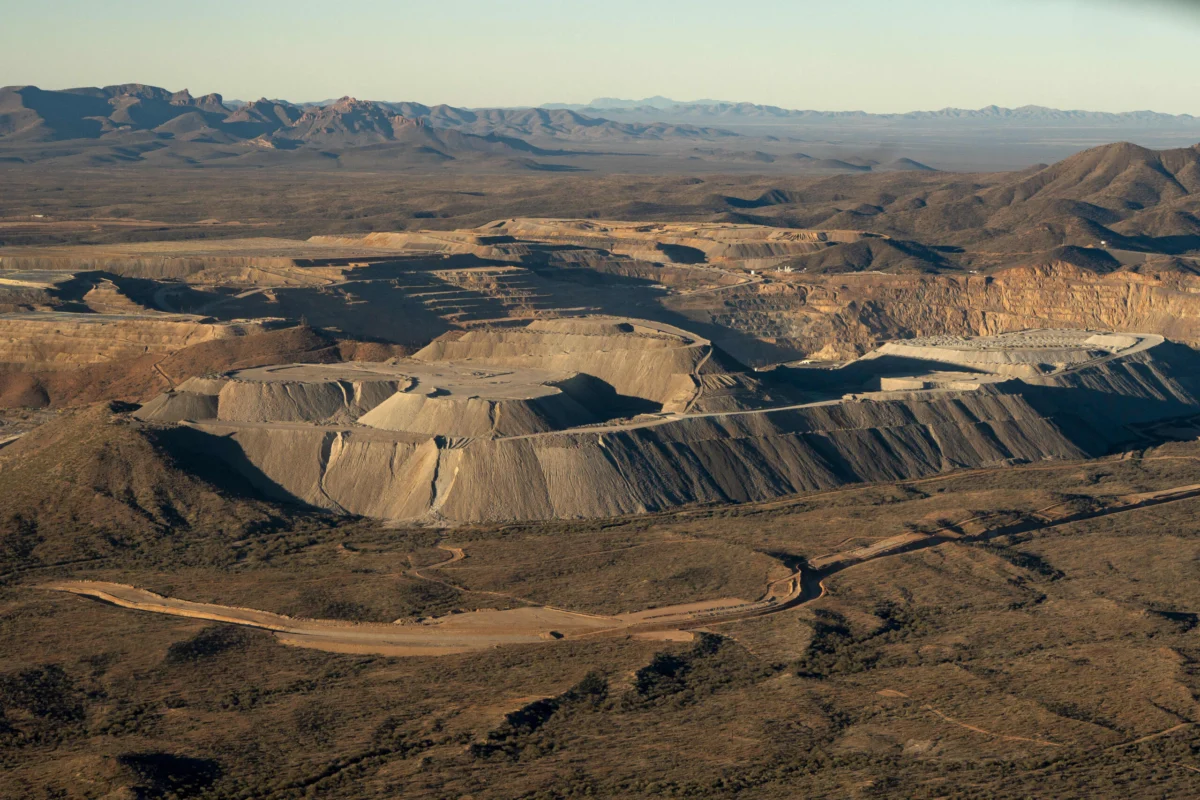
However, the demand side tells only half the story. The record-breaking price levels are equally a reflection of a systemic crisis in supply. The mining industry is currently grappling with a "lost decade" of underinvestment in new projects. On average, it takes between ten and fifteen years to bring a new copper mine from discovery to full production, a lead time that makes the supply side notoriously inelastic. Even as prices skyrocket, the ability of miners to bring new tonnage to the market is constrained by regulatory hurdles, environmental concerns, and the sheer physical difficulty of extracting ore from increasingly remote and low-grade deposits.
The world’s primary copper-producing regions are also facing unprecedented operational headwinds. Chile, which accounts for roughly one-quarter of the global supply, has seen its output hampered by extreme weather events. Heavy snowfall, torrential rains, and high winds have frequently paralyzed operations in the Andes, leading to significant downgrades in production forecasts. These climate-related disruptions are becoming a recurring theme, forcing market participants to price in a "volatility premium" that was absent a decade ago.
Compounding these environmental challenges is a tightening of the geopolitical landscape. The Democratic Republic of Congo (DRC), a critical hub for copper and cobalt, recently implemented a ban on the export of copper and cobalt concentrates. The policy is designed to force international mining firms to invest in domestic processing and smelting facilities, capturing more of the value chain within the country. While this may benefit the DRC’s long-term economic development, its immediate effect on the global market is a sharp reduction in the availability of raw materials for overseas refiners. This has led to a depletion of inventories in London Metal Exchange (LME) warehouses and a corresponding spike in refining costs as consumers scramble for a dwindling supply of finished metal.
Trade policy is also playing a transformative role in the copper market. The imposition of 50% tariffs by the United States on semi-finished copper products and copper-intensive derivatives, under the banner of Section 232 of the Trade Expansion Act, has effectively created a bifurcated market. These protectionist measures aim to bolster domestic manufacturing but have the immediate side effect of raising costs for U.S.-based industries, from construction to aerospace. Meanwhile, China’s crackdown on the availability of scrap copper—a vital secondary source for the industry—has further tightened the global supply of refined metal. By restricting the trade of recycled materials, Beijing is prioritizing its own industrial security, leaving the rest of the world to compete for a smaller pool of primary ore.
The economic implications of $6.90 copper are profound. For central banks struggling to anchor inflation, the rising cost of the "red metal" presents a significant challenge. Because copper is an essential input for almost every aspect of modern life, its price increases are inherently inflationary. The cost of building a home, manufacturing a car, or upgrading a municipal power grid is directly tied to the copper market. If copper remains at these elevated levels, the "green premium"—the extra cost associated with transitioning to sustainable technology—will likely increase, potentially slowing the pace of the global energy transition.
Furthermore, the current market dynamics suggest that we may be entering a new "commodity supercycle." In previous cycles, high prices eventually led to a "demand destruction" phase where consumers switched to cheaper alternatives like aluminum. However, in many of copper’s new applications—particularly in high-efficiency electrical motors and advanced semiconductors—there is no viable substitute that offers the same level of conductivity and durability. This lack of substitutability gives copper a unique strategic importance in the 21st-century economy.
From an investment perspective, the copper rally is attracting a new class of institutional capital. Hedge funds and sovereign wealth funds are increasingly viewing copper not just as a commodity, but as a "thematic" play on the future of technology and climate policy. This influx of speculative capital can exacerbate price swings, leading to the kind of intraday volatility witnessed during the recent surge to record highs. While the metal retreated slightly after touching its peak, the underlying fundamentals suggest that the era of "cheap" copper is over.
As the global economy continues to fragment into competing trade blocs, the race for "mineral sovereignty" will likely intensify. Countries that secure stable supplies of copper will have a distinct competitive advantage in the race to dominate the AI and renewable energy industries. Conversely, nations that are overly reliant on volatile international markets may find their industrial ambitions throttled by supply shortages and prohibitive costs.
In summary, the record-breaking ascent of copper prices is more than a momentary market anomaly. It is a signal that the global industrial base is undergoing a violent restructuring. The transition from a fossil-fuel-based economy to one powered by electricity and data is a copper-intensive endeavor, and the world is currently discovering that the supply of this critical resource is far more fragile than previously assumed. Dr. Copper may still be making a diagnosis, but the patient is no longer the broad global economy of the 20th century; it is a new, digital, and electrified world that is finding the cost of its own evolution to be higher than ever before. For policymakers, investors, and industrial leaders, the message is clear: the red metal is the new oil, and the struggle for its control and acquisition will define the economic landscape for decades to come.