The advent of fifth-generation (5G) cellular technology has heralded a new era of connectivity, promising unprecedented speeds, ultra-low latency, and the capacity to support a massive array of interconnected devices. A cornerstone of this revolution is network slicing, a sophisticated architectural capability that allows telecom operators to create multiple virtualized, independent networks on a common physical infrastructure. These "slices" can be tailored to specific applications or customer segments, offering differentiated quality of service (QoS) – for instance, a slice optimized for critical industrial IoT applications might prioritize ultra-low latency, while a premium consumer slice could guarantee high bandwidth for streaming. However, this transformative potential also presents a significant regulatory challenge: how to harness the innovation of network slicing without inadvertently creating a two-tiered internet where premium users enjoy superior experiences at the expense of general subscribers, potentially violating principles of net neutrality.
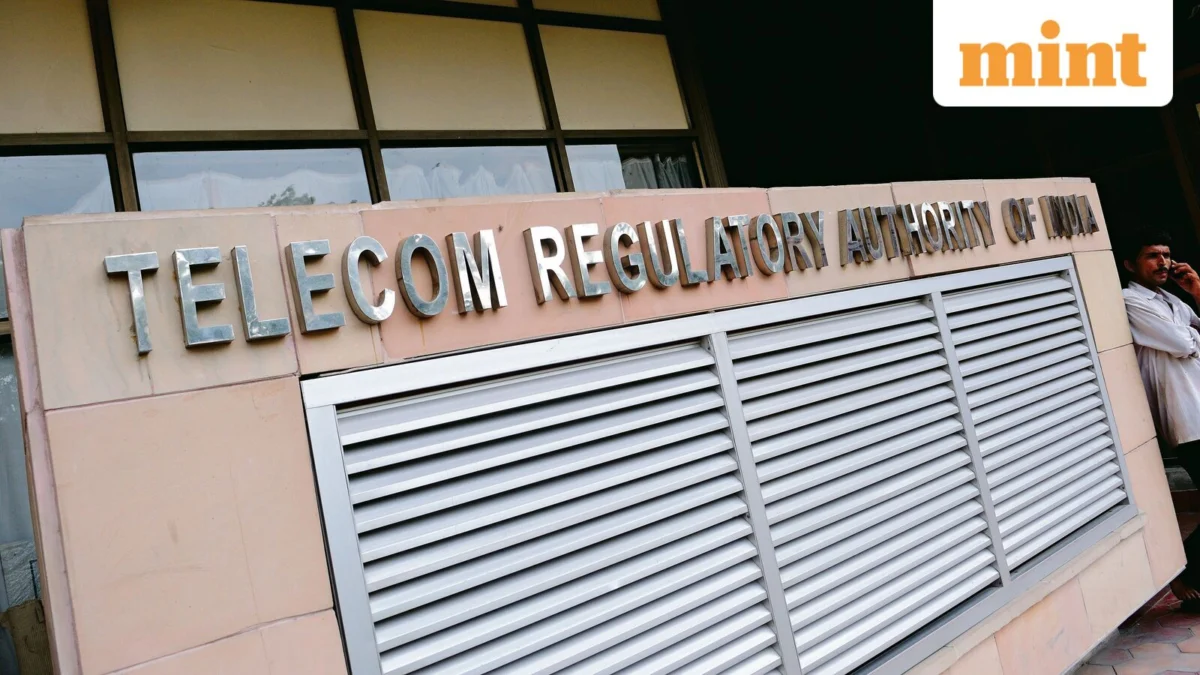
In a proactive move to address these concerns, India’s Telecom Regulatory Authority of India (TRAI) has introduced a comprehensive set of draft quality-of-service regulations. These proposals aim to establish crucial guardrails for the deployment of 5G network slicing, particularly as mobile network operators (MNOs) begin to roll out differentiated services for paying customers. The impetus for this regulatory intervention was partly spurred by Bharti Airtel’s recent launch of its "Fastlane" service, which leverages 5G network slicing to offer enhanced experiences to its postpaid subscribers. While such offerings hold the promise of new revenue streams and improved customer satisfaction, TRAI’s stance underscores a global regulatory consensus: innovation must not compromise the fundamental right to equitable internet access for all users.
Central to TRAI’s draft regulations is a stringent capacity management mechanism. The regulator proposes that if a mobile cell – the localized area covered by a single antenna on a cellular tower – experiences loading exceeding 80% during its peak busy hour on any five days within a month, telecom operators must take immediate and decisive action to augment network capacity. This could involve deploying additional spectrum, upgrading hardware, or optimizing network configurations. Should operators fail to reduce cell loading below the 80% threshold within a 30-day period through these network enhancement measures, they would be mandated to remove the overloaded cells from any existing network slicing arrangements. This provision is designed to ensure that the creation of dedicated "fast lanes" for premium users does not lead to a degradation of service quality for standard users on the same overloaded cell.
Furthermore, TRAI’s framework emphasizes transparency and proactive capacity planning. Operators will be required to demonstrate sufficient network capacity before launching any new network slice. This involves submitting detailed plans of proposed network slices to the regulator at least 21 days prior to launch, clearly outlining how adequate capacity will be maintained across all cells included in these differentiated services. Post-launch, continuous monitoring of cell loading and traffic, along with granular reporting on capacity usage for every slice within each cell, will be obligatory. This detailed oversight aims to provide TRAI with the necessary data to ensure compliance and intervene if quality-of-service standards are not met.
The technical and operational implications of these proposed regulations for telecom operators are substantial. Industry experts, such as Satya N. Gupta, a former principal advisor at TRAI, have voiced concerns regarding the complexity of implementing such detailed cell loading parameters. Managing and dynamically adjusting capacity across potentially thousands of cells, each with varying traffic patterns and slicing configurations, presents a significant technical and logistical challenge. While the intent is to safeguard consumer experience, some argue that overly prescriptive regulations could potentially curb innovation, making it difficult for service providers to experiment with novel 5G applications and business models. The delicate balance lies in creating a framework that fosters responsible innovation without stifling the development of a vibrant 5G ecosystem.

India’s approach aligns broadly with international regulatory trends, where authorities are grappling with similar challenges. Regulatory bodies in the European Union, such as the Body of European Regulators for Electronic Communications (BEREC), and the UK’s Ofcom, acknowledge the value of 5G network slicing but permit differentiated slices only when sufficient capacity exists and they do not degrade standard public internet access services. France adopts a case-by-case evaluation for slice deployments to assess their impact on public internet availability, while the United States monitors such offerings rigorously to ensure they do not circumvent net neutrality protections, including prohibitions on throttling, paid prioritization, or unreasonable discrimination. This global consensus underscores the universal concern about maintaining an open and equitable internet in the age of advanced connectivity.
Beyond the specific directives for network slicing, TRAI has also proposed a broader overhaul of telecom quality-of-service standards, reflecting a commitment to enhancing overall consumer experience across all network generations. These comprehensive measures include mandating operators to publish technology-wise (2G, 3G, 4G, 5G) coverage maps on their websites, classifying coverage into categories such as Excellent, Good, Fair, or No Coverage. This increased transparency will empower consumers to make more informed choices about their service providers.
Furthermore, TRAI plans to introduce a comprehensive "Quality of Experience Score" (QoES), which will integrate technical network performance metrics with customer service efficiency and consumer perception. This holistic score aims to provide users with a consolidated, easily understandable view of an operator’s service quality. Operators will also be required to clearly indicate typical download and upload speeds in their tariff offerings for wireless broadband services, moving beyond vague "up to" claims. In terms of customer service, the draft regulations propose a significant reduction in the maximum timeline for resolving billing and charging complaints, from four weeks to a single week, with a mandate for 100% resolution within that period. A new voice-quality metric, the "Silence Call Rate" (monitoring instances where a call is connected but no audio is transmitted), with a proposed threshold of less than 1%, is also set to be introduced to address a common frustration for users.
The economic impact of these regulations will be multifaceted. For telecom operators, compliance will necessitate increased capital expenditure (CAPEX) on network infrastructure upgrades and advanced monitoring systems. While 5G network slicing promises new revenue streams from enterprise clients, specialized applications, and premium consumer segments, the regulatory overhead could influence investment decisions and potentially slow the rollout of some innovative services. However, the long-term benefits of a transparent and high-quality network environment – including increased subscriber loyalty, reduced churn, and a more competitive market – could outweigh these initial costs. For consumers, these measures translate into greater transparency, improved service reliability, and stronger protections against service degradation, fostering trust in the evolving digital landscape. The broader digital economy stands to benefit from a robust and equitably accessible 5G infrastructure, which is critical for supporting innovation in sectors ranging from smart cities and autonomous vehicles to advanced healthcare and immersive entertainment.
In conclusion, TRAI’s draft regulations represent a critical step in navigating the complex interplay between technological innovation and public interest in the burgeoning 5G era. By establishing clear guidelines for network slicing and enhancing broader quality-of-service standards, India aims to foster a competitive and dynamic telecom market while safeguarding the principles of equitable access and consumer protection. The success of this framework will depend on its adaptability to evolving technologies and market dynamics, ensuring that India’s digital future is characterized by both cutting-edge connectivity and inclusive access for all its citizens. The ongoing dialogue with stakeholders will be crucial in refining these regulations to strike the optimal balance.