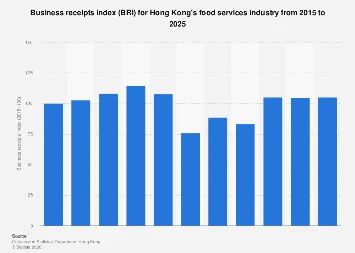
Hong Kong’s vibrant food services industry is projected to experience a notable rebound and expansion in its business receipts leading up to 2025. This anticipated growth trajectory is being shaped by a confluence of factors, including the easing of pandemic-related restrictions, a resurgence in tourism, evolving consumer preferences for dining experiences, and a strategic focus on innovation within the sector. While the industry has navigated considerable headwinds in recent years, current indicators and expert forecasts suggest a robust recovery and a sustained upward trend in revenue generation.
The food services sector in Hong Kong is a critical component of its economy, contributing significantly to employment and overall consumer spending. Historically, it has been a cornerstone of the city’s appeal as a global destination, attracting millions of visitors annually who contribute a substantial portion of the industry’s revenue. The prolonged period of international travel restrictions and social distancing measures, however, undeniably impacted businesses across the spectrum, from high-end establishments to local eateries. Nevertheless, the resilience and adaptability demonstrated by restaurateurs and food service providers during these challenging times have laid the groundwork for a more dynamic and potentially more lucrative future.
Looking ahead to 2025, key drivers are expected to fuel this expansion. The anticipated return of international tourists, particularly from mainland China and other key Asian markets, will be a significant catalyst. As travel corridors reopen and confidence in global mobility increases, Hong Kong’s renowned culinary landscape will once again attract a substantial influx of diners. This influx is not merely about volume; it is also about the spending power and the diverse tastes of these international visitors, who often seek authentic and high-quality dining experiences. The industry’s ability to cater to these varied demands will be paramount to capitalizing on this demographic shift.
Beyond tourism, domestic consumption patterns are also evolving, presenting new opportunities. Hong Kong consumers, accustomed to a high standard of living and a sophisticated dining culture, are increasingly seeking novel culinary experiences. This includes a growing appetite for international cuisines, fusion dishes, and innovative gastronomic concepts. There is also a discernible trend towards convenience and digital integration. Food delivery services, which saw an unprecedented surge during the pandemic, are expected to maintain a strong presence, albeit with a greater emphasis on premium offerings and curated meal solutions. Furthermore, the demand for healthier and more sustainable food options is gaining traction, prompting businesses to adapt their menus and sourcing practices.
Statistics from various market research firms indicate a positive outlook for the region’s food services. While specific figures for projected business receipts in 2025 are often proprietary and subject to annual revision, broader economic forecasts for Hong Kong point towards a steady GDP growth, a significant portion of which is typically attributed to consumer discretionary spending, including dining out. For instance, recent economic assessments by international financial institutions have projected Hong Kong’s GDP to grow by an average of 3-4% annually in the coming years. A substantial portion of this growth is expected to be driven by the services sector, with food and beverage playing a vital role.
The competitive landscape within Hong Kong’s food services industry is intense, characterized by a high density of establishments and a discerning customer base. This has historically driven innovation and quality, forcing businesses to constantly differentiate themselves. As the industry recovers, we can expect to see a bifurcation of strategies. On one end, established fine-dining restaurants and reputable chains will likely focus on enhancing their brand prestige, service quality, and unique culinary offerings to attract both tourists and affluent locals. On the other end, the burgeoning casual dining segment and food-tech startups will likely leverage technology, innovative business models, and niche market targeting to capture market share.
The integration of technology is no longer an option but a necessity. Beyond enhanced food delivery platforms, businesses are increasingly adopting digital solutions for table reservations, customer relationship management, and even kitchen operations optimization. Data analytics are becoming crucial for understanding consumer behavior, predicting demand, and personalizing marketing efforts. For example, restaurants that can effectively utilize customer data to offer tailored promotions or dietary recommendations are likely to foster greater customer loyalty and drive repeat business. This digital transformation is not only about efficiency but also about creating a more seamless and engaging customer journey.
Furthermore, the government’s commitment to supporting the economic recovery, including initiatives aimed at boosting tourism and consumer spending, will likely provide a favorable environment for the food services sector. Policies that streamline business operations, offer financial incentives for innovation, or promote Hong Kong as a culinary destination can have a tangible impact on industry performance. The city’s status as a Special Administrative Region also provides unique advantages in terms of its connectivity to global markets and its role as a gateway to mainland China.
The global context of the food services industry also offers valuable insights. Many major urban centers worldwide have experienced similar post-pandemic recovery patterns, with a strong emphasis on experiential dining, digitalization, and sustainability. Cities like Singapore, Tokyo, and Seoul, which also boast highly developed culinary scenes, are facing comparable challenges and opportunities. Hong Kong’s ability to learn from these international benchmarks and adapt successful strategies will be crucial. For instance, the rise of "ghost kitchens" or cloud kitchens, which operate solely for delivery and takeout, has transformed the operational landscape in many global cities and is an area Hong Kong is also actively exploring.
However, challenges remain. Rising operational costs, including rental expenses and labor shortages, continue to be significant concerns for many businesses. The global inflationary environment also puts pressure on ingredient costs, potentially impacting profit margins or necessitating price adjustments that could affect consumer demand. Moreover, the industry must remain vigilant about public health and safety protocols, ensuring consumer confidence is maintained. The ability to navigate these economic headwinds while continuing to innovate will be a defining characteristic of successful food service businesses in the coming years.
In conclusion, the outlook for Hong Kong’s food services industry through 2025 is decidedly positive, underpinned by a strategic recovery from recent global disruptions and a forward-looking approach to evolving consumer demands. The anticipated return of tourism, coupled with a dynamic domestic market that increasingly values experience and convenience, creates a fertile ground for growth. While operational challenges persist, the sector’s inherent resilience, its capacity for innovation, and the ongoing digital transformation are expected to propel business receipts to new heights, reaffirming Hong Kong’s status as a premier global culinary hub. The focus will undoubtedly be on adapting to changing tastes, embracing technological advancements, and offering compelling dining experiences that cater to a diverse and discerning clientele.