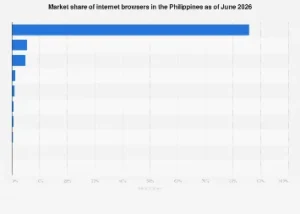

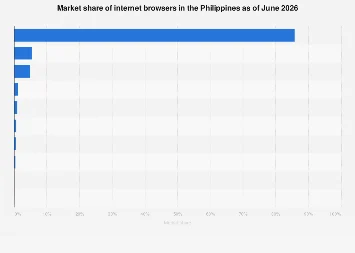
The internet browser market in the Philippines is poised for a dynamic evolution over the next few years, with projections indicating a significant shift in dominance and the emergence of new user engagement patterns leading up to 2026. While specific granular market share figures are proprietary and subject to commercial licensing, the overarching trends suggest a continued battle for user attention among the established giants, alongside the growing influence of mobile-first browsing habits and specialized applications. Understanding these projected shifts is crucial for technology providers, advertisers, and businesses seeking to navigate the digital economy of one of Southeast Asia’s most vibrant online markets.
The Philippine internet landscape is characterized by its rapid growth in internet penetration and a predominantly mobile-centric user base. As of recent estimates, the country boasts over 70 million active internet users, a figure that has seen consistent year-on-year increases driven by expanding affordable data plans and the proliferation of smartphones. This burgeoning digital population is not only consuming content at an unprecedented rate but is also diversifying its digital tools, with web browsers serving as the primary gateway to this online world. The projected trends for 2026 are being shaped by several interconnected factors: the entrenched loyalty to certain browser brands, the introduction of innovative features, and the increasing integration of browsing functionalities within other digital platforms.
At the forefront of the Philippine browser market, Google Chrome has historically held a commanding position, a trend largely mirrored across global markets. Its seamless integration with the Android operating system, which dominates the Philippine smartphone market, coupled with its robust performance, extensive extension library, and user-friendly interface, has cemented its status as the default choice for a vast majority of users. Projections suggest that Chrome will likely maintain its leading position through 2026, albeit with potential marginal declines as niche browsers and integrated solutions gain traction. The sheer volume of Android devices shipped within the Philippines, often pre-loaded with Chrome, provides an inherent advantage that is difficult for competitors to overcome. Furthermore, Google’s continuous updates and feature enhancements, including improved privacy controls and cross-device synchronization, are designed to retain its user base.
However, the competitive landscape is far from static. Mozilla Firefox, known for its strong emphasis on user privacy and customization, has cultivated a dedicated following. While its market share may not rival Chrome’s, it represents a significant segment of users who prioritize control over their online experience and are wary of data tracking. The ongoing development of Firefox, with its focus on performance optimizations and enhanced security features, is likely to help it retain its existing user base and potentially attract privacy-conscious newcomers. The company’s commitment to open-source development and community involvement further bolsters its appeal to a specific demographic within the Philippine market.
Apple’s Safari, while primarily dominant within the iOS ecosystem, also plays a role in the Philippine browser market, particularly among users of iPhones and iPads. As the premium smartphone segment continues to grow in the Philippines, so too does the potential user base for Safari. Its tight integration with Apple’s devices, offering a streamlined and often faster browsing experience, makes it a compelling choice for those within the Apple ecosystem. The projected market share for Safari will be intrinsically linked to the sales performance of Apple devices in the country.
Beyond these established players, a more nuanced competition is emerging. Microsoft Edge, having undergone a significant transformation with its Chromium-based engine, is making inroads into the Philippine market. Its improved performance, cross-platform availability, and integration with Windows services position it as a viable alternative, especially for users who are already invested in the Microsoft ecosystem. While it faces an uphill battle against Chrome’s default status, its steady improvement and proactive marketing efforts could see its market share gradually increase.
Furthermore, the rise of mobile-specific browsing behaviors and the increasing integration of web functionalities within applications present a complex challenge to traditional browser market share metrics. Many Filipino internet users, particularly younger demographics, engage with content through social media apps, messaging platforms, and dedicated news or e-commerce applications. These platforms often feature in-app browsers that handle web content directly, bypassing the need to launch a standalone browser application. This trend, while not directly captured in traditional browser market share reports, represents a significant portion of web content consumption and impacts user engagement with standalone browsers. The economic implication here is that advertisers and content creators must increasingly optimize their digital strategies for these in-app browsing environments, which may have different rendering capabilities and tracking mechanisms.
Specialty browsers catering to specific needs are also carving out niches. Opera, for instance, has long been popular in emerging markets due to its data-saving features and integrated VPN, which are particularly valuable in regions where data costs can be a barrier. Its continued innovation in these areas could see it maintain or even slightly increase its presence. Similarly, browsers focused on enhanced privacy, such as Brave, which incorporates ad and tracker blocking by default, are likely to appeal to a growing segment of the Philippine population concerned about online privacy and security. The increasing awareness of data breaches and online surveillance globally is likely to translate into greater demand for such privacy-focused solutions in the Philippines.
The economic impact of these browser market dynamics is multifaceted. For businesses, understanding which browsers are most prevalent is critical for web development and advertising strategies. Websites need to be optimized for compatibility and performance across the most popular browsers to ensure a seamless user experience. Advertising campaigns, particularly those relying on targeted ads, need to account for the different tracking capabilities and user preferences associated with various browsers. The dominance of Chrome, for example, means that optimization for its rendering engine and adherence to its privacy settings are paramount for digital marketers.
Moreover, the evolution of browser technology itself has economic implications. Innovations in web technologies, such as faster rendering engines, enhanced security protocols, and improved support for progressive web apps (PWAs), can lower the barrier to entry for online services and foster greater digital inclusion. As browsers become more efficient and secure, they can facilitate more complex online transactions, support richer multimedia experiences, and enable more sophisticated web-based applications, thereby contributing to the growth of the digital economy. The competition among browser developers to offer superior features also drives innovation in the broader web technology ecosystem.
Looking ahead to 2026, the Philippine internet browser market will likely remain a highly competitive arena. While Chrome is expected to retain its lead, the growing emphasis on privacy, the increasing sophistication of in-app browsing, and the niche appeal of specialized browsers will undoubtedly shape user choices. The ability of browser developers to adapt to evolving user habits, prioritize user privacy, and offer compelling, differentiated features will be key to success in this dynamic digital landscape. The ongoing digital transformation of the Philippines, with its expanding internet user base and increasing reliance on online services, ensures that the browser market will continue to be a critical battleground for technological influence and user engagement for years to come.