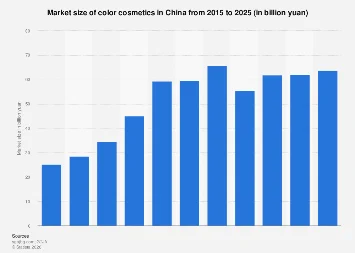
The Chinese market for color cosmetics is on a trajectory of robust growth, with projections indicating a substantial increase in market size by 2025. While precise figures require subscription access, available data and market analysis point to a sector that has consistently expanded over the past decade and is expected to continue its upward climb. This burgeoning market is a critical focal point for global beauty brands and domestic players alike, reflecting shifting consumer preferences, increasing disposable incomes, and the pervasive influence of digital platforms.
The trajectory of the Chinese makeup market has been a compelling narrative of economic development and evolving consumer culture. From 2015 onwards, the sector has witnessed a sustained expansion, fueled by a demographic dividend and a growing appetite for personal care and beauty products. The increasing urbanization, coupled with a rising middle class, has significantly boosted consumer spending power, with a substantial portion allocated to discretionary items like makeup. This trend is further amplified by a younger demographic that is more engaged with beauty trends, influenced by social media, and eager to experiment with a wider array of cosmetic products.
Analyzing the market dynamics, several key drivers are contributing to this projected growth. Firstly, the sheer size of China’s population presents an enormous consumer base. As economic prosperity spreads to more regions within the country, the penetration of beauty products is expected to deepen. Secondly, the influence of social media platforms and e-commerce has revolutionized how beauty products are discovered, marketed, and purchased in China. Key opinion leaders (KOLs) and live-streaming e-commerce have become indispensable channels for brands to connect with consumers, drive sales, and build brand loyalty. Platforms like Douyin (TikTok) and WeChat have become powerful engines for product discovery and direct sales, enabling brands to reach consumers with unprecedented precision and engagement.
Furthermore, the evolving definition of beauty and the increasing emphasis on self-expression among Chinese consumers are contributing to the diversification of the makeup market. Beyond basic coverage, consumers are now seeking products that offer specialized benefits, innovative textures, and a wide spectrum of colors to match diverse skin tones and personal styles. This has led to a surge in demand for categories such as skincare-infused makeup, multi-functional products, and niche cosmetic items. The growing awareness of ingredient safety and sustainability is also beginning to influence purchasing decisions, pushing brands to adopt more transparent and eco-conscious practices.
Global beauty conglomerates have long recognized the strategic importance of the Chinese market. They have invested heavily in understanding local consumer preferences, adapting product formulations, and tailoring marketing campaigns to resonate with Chinese cultural nuances. However, the landscape is increasingly competitive, with domestic Chinese beauty brands rapidly gaining traction. These local players often leverage a deep understanding of the Chinese consumer, agile product development cycles, and effective digital marketing strategies to capture market share. Brands like Perfect Diary, Florasis, and Judydoll have emerged as formidable competitors, challenging established international players and demonstrating the potential for homegrown innovation.
The economic impact of this expanding market extends beyond the beauty industry itself. It stimulates growth in related sectors, including packaging, manufacturing, logistics, and digital marketing services. The continuous demand for new products and formulations also drives innovation in research and development within the chemical and cosmetic science industries. Moreover, the success of Chinese beauty brands on both domestic and international stages contributes to the broader narrative of China’s rising economic influence and its increasing prowess in consumer goods manufacturing and marketing.
Looking ahead, the market is expected to continue its robust expansion, albeit with potential shifts in consumer priorities. As the market matures, competition will likely intensify, pushing brands to focus on product differentiation, superior customer experience, and sustainable business practices. The rise of personalized beauty solutions, driven by data analytics and AI, could also become a significant trend, offering consumers tailored product recommendations and customized formulations. The government’s supportive policies towards innovation and consumption, coupled with the continued growth of China’s digital economy, provide a fertile ground for the makeup market to flourish.
While specific financial figures for the projected market size in 2025 require access to detailed market research reports, the overarching trend is unequivocally positive. The consistent year-on-year growth observed in previous years, combined with the ongoing demographic and economic tailwinds, strongly suggests that the Chinese makeup market will represent a significant and expanding opportunity for businesses operating within or seeking to enter this dynamic sector. The ability of brands to adapt to evolving consumer demands, embrace digital innovation, and foster authentic connections with Chinese consumers will be paramount to their success in this lucrative and rapidly transforming market. The ongoing narrative of China’s beauty sector is one of innovation, fierce competition, and immense potential, solidifying its position as a global powerhouse in the cosmetics industry.