The nation’s public health authorities are now systematically reclassifying COVID-19 as an endemic seasonal respiratory illness, akin to influenza, marking a pivotal moment in India’s post-pandemic strategy. This significant policy shift comes amidst close monitoring of a recent, localized uptick in cases across a few southern states, with health officials emphasizing that current epidemiological trends do not indicate the emergence of a more virulent variant or a broader public health crisis necessitating heightened interventions. This approach reflects a global consensus on managing the virus as part of the regular spectrum of respiratory pathogens, moving beyond the emergency response framework of the pandemic era.
This transition signifies a profound evolution in how public health systems operate and how society interacts with the virus. During the peak of the pandemic, India reported a staggering 43.45 million COVID-19 cases and 525,116 official deaths, underscoring the immense pressure on its healthcare infrastructure and economy. The current posture, however, views isolated case surges as expected seasonal fluctuations, particularly influenced by climatic conditions like the monsoon season, rather than harbingers of a new wave. This strategic recalibration allows for a more integrated and sustainable approach to respiratory disease management, aligning resources with routine healthcare rather than crisis management.
While comprehensive state-wise data is no longer as readily accessible as during the pandemic’s height – with the government’s dedicated COVID-19 dashboard now decommissioned – anecdotal and localized reports indicate minor increases. For instance, Andhra Pradesh recently recorded 26 cases with four fatalities, while Kerala reported 19 cases in July. Other states like Maharashtra and Tamil Nadu have also noted marginal upticks. Health ministry officials, speaking on condition of anonymity, confirmed that these figures are consistent with anticipated seasonal patterns, stressing that the observed mortalities were largely incidental, occurring predominantly in high-risk individuals with significant underlying health conditions, rather than being directly attributable to an aggressive viral manifestation.
Central to this revised strategy is robust genomic surveillance, which continues to be a cornerstone of India’s public health vigilance. Laboratory monitoring across the country has consistently shown no evidence of novel viral mutations that would confer increased clinical severity, higher hospitalization rates, or heightened risk of severe complications. The variations currently detected, such as Omicron sub-lineages like JN.1, LF.7, NB.1.8.1, XFG, and RF.5, represent standard, minor lineage shifts common to RNA viruses. These mutations, while potentially affecting transmissibility due to immune evasion, have not demonstrated a significant increase in virulence, thereby reinforcing the current assessment of the virus as an endemic threat.
This epidemiological shift has far-reaching implications for various economic sectors. The normalization of COVID-19 as a seasonal illness reduces the likelihood of widespread lockdowns, travel restrictions, or severe disruptions to supply chains. For the travel and tourism industry, this provides much-needed stability and predictability, fostering renewed consumer confidence. Businesses can plan operations with greater certainty, moving away from the reactive crisis management that characterized the pandemic years. The healthcare sector, too, undergoes a transformation, shifting from an emergency-driven model to one focused on integrated respiratory care, where COVID-19 management is absorbed into existing frameworks for influenza and other common viral infections. This includes the strategic allocation of resources for seasonal vaccination campaigns and the development of broader antiviral treatments.
Globally, many developed economies have adopted a similar stance, moving from pandemic alert to endemic management. The World Health Organization (WHO) also declared an end to the COVID-19 public health emergency of international concern in May 2023, signaling a global acknowledgment of the virus’s transition. However, the challenges of post-pandemic data collection and reporting are universal. As governments scale back intensive surveillance efforts, obtaining granular, real-time data becomes more complex, necessitating a reliance on sentinel surveillance sites and clinical indicators rather than mass testing statistics.
Dr. Sujeet Singh, former director of the National Centre for Disease Control (NCDC), affirmed that India has been managing COVID-19 as a seasonal respiratory illness since 2023, though he underscored the importance of continuous vigilance, particularly concerning localized case increases and the genomic profile of circulating variants. He highlighted the ongoing monitoring by the Integrated Disease Surveillance Programme (IDSP) under the health ministry, ensuring that any significant deviation from the expected trajectory would be promptly identified. This layered approach combines routine clinical surveillance with advanced genomic analysis, providing a comprehensive view of the public health landscape.
The clinical profile of current infections predominantly features mild symptoms, with the vast majority of individuals recovering under standard home isolation protocols. Testing requests have also evolved significantly; they now primarily originate from hospitals for pre-admission or pre-procedure screenings, or from clinicians evaluating patients with respiratory symptoms, rather than from individuals solely seeking COVID-19 diagnosis. This indicates a broader understanding that COVID-19 symptoms often overlap with those of influenza and other viral respiratory illnesses during seasons like the monsoon, necessitating clinical judgment to guide testing, especially for vulnerable populations.
Dr. Rashmi Khadapkar, GM of research and development and section head of molecular infectious at Agilus Diagnostics, observed that a proportion of positive cases are detected incidentally during investigations for other medical conditions, further aligning with the understanding of COVID-19 as an endemic respiratory infection. She stressed that while the positivity rate remains relatively low and stable, testing should be clinically guided, particularly for the elderly, immunocompromised patients, those with chronic illnesses, or individuals experiencing persistent fever or severe respiratory symptoms. This targeted approach ensures that resources are allocated efficiently and that those at highest risk receive appropriate care.
Dr. Neha Rastogi, a senior consultant in infectious diseases at Fortis Hospital, Gurgaon, echoed these sentiments, noting that currently circulating variants, including NB.1.8.1 and other JN.1 descendants, exhibit high transmission rates but are not associated with increased severity. She attributed the seasonal surge to factors like waning immunity and ongoing viral evolution, a common characteristic of respiratory viruses. Dr. Rastogi emphasized that severe disease continues to primarily affect older adults, immunocompromised individuals, and those with significant comorbidities. Consequently, sustained genomic surveillance and proactive protection of vulnerable populations remain paramount, complemented by appropriate social distancing, mask usage, and hand hygiene precautions.
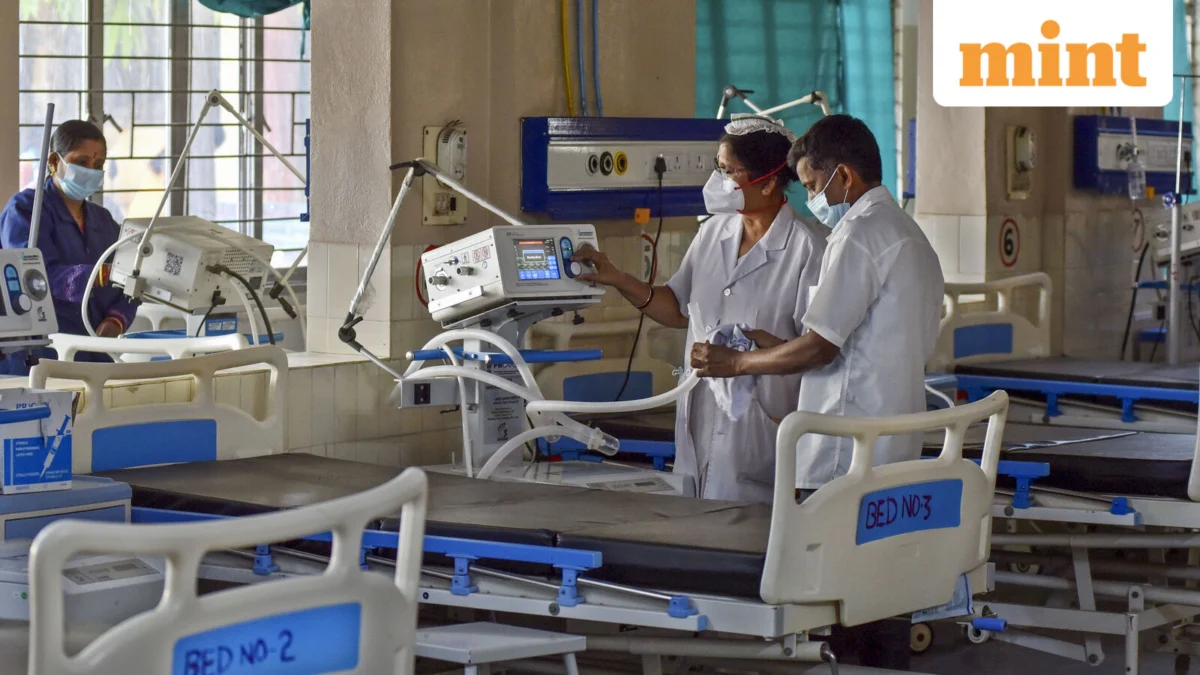
In response to these trends, some state governments have initiated reviews of their preparedness, assessing the availability of hospital beds, oxygen supplies, essential medicines, and vaccine stocks. This proactive measure ensures that healthcare systems remain resilient and capable of managing seasonal surges without becoming overwhelmed. This preparedness, however, is now framed within the context of routine health management rather than emergency capacity building, reflecting the broader strategy to integrate COVID-19 into existing public health frameworks. The shift from a pandemic footing to an endemic reality reflects both scientific progress and adaptive policy-making, allowing India to navigate future respiratory illness seasons with greater confidence and less disruption.